

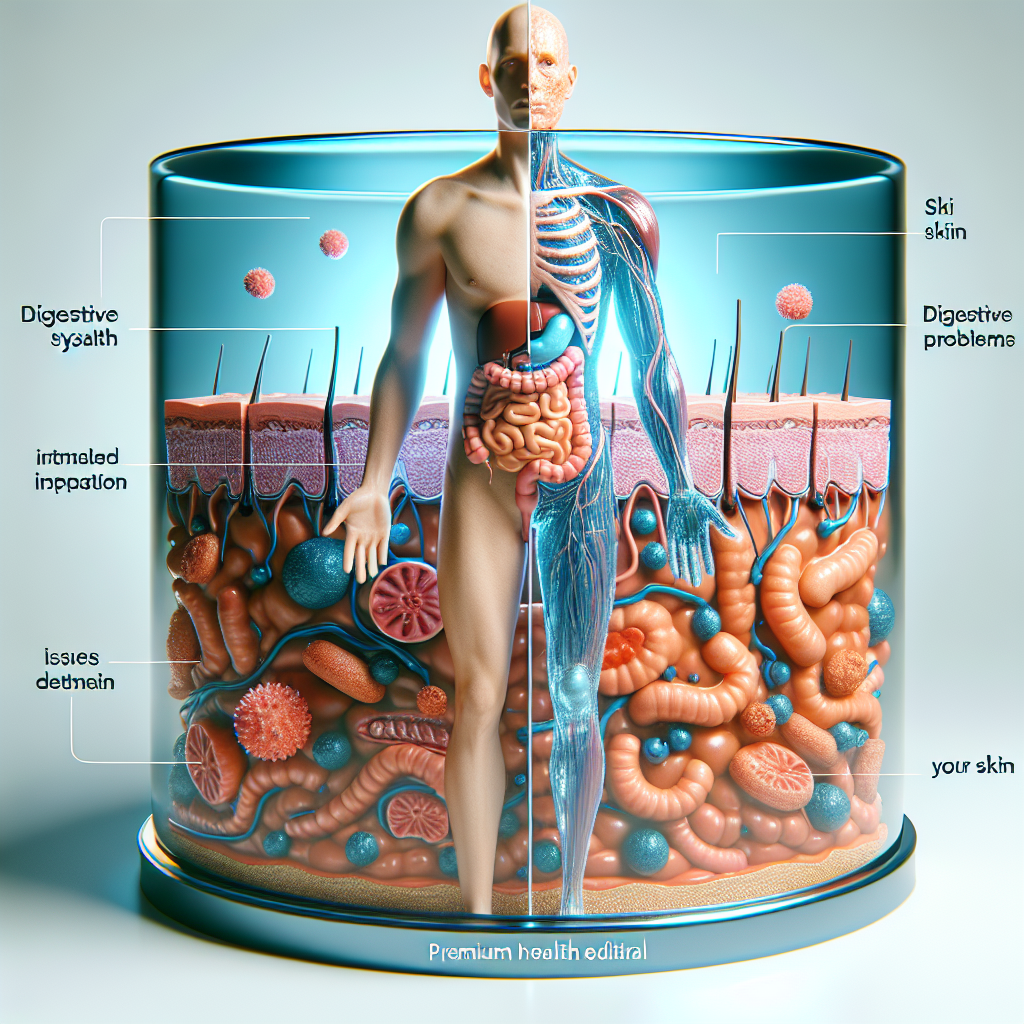
Skin barrier damage is not always a skincare problem
If your skin feels tight, stings after basic products, flakes around the nose or cheeks, or becomes red for no obvious reason, the usual assumption is that you used the wrong cleanser, overdid exfoliation, or need a heavier moisturizer. Sometimes that is true. But persistent barrier instability often starts deeper than the skin surface.
The barrier is not just a layer you “repair” from the outside. It is a living structure built from lipids, proteins, immune signals, microbial balance, and water regulation. Keratinocytes need raw materials to form ceramides and structural proteins. The immune system needs to stay calm enough not to trigger chronic low-grade inflammation. Hormones influence oil production, skin turnover, and transepidermal water loss. If those internal systems are off, the skin can become dry, reactive, or inflamed even when topical care looks reasonable.
The mechanism: how internal physiology weakens the skin barrier
1. The gut can alter skin inflammation before the skin visibly changes
The gut and skin communicate through immune mediators, microbial metabolites, and nutrient absorption. When the intestinal lining is irritated or the gut microbiome shifts unfavorably, the immune system may produce more inflammatory signals such as cytokines. Those signals can influence the skin’s barrier function, increase sensitivity, and change how quickly the skin recovers after exposure to weather, cleansing, or active skincare.
This is one reason some people develop “mystery” skin reactivity during periods of digestive stress, poor diet quality, frequent antibiotic use, or long-term ultra-processed eating patterns. The issue is not that the gut directly causes every skin problem. The issue is that internal inflammatory tone can lower the skin’s resilience.
2. Poor nutrient status changes what the skin is made of
The skin barrier depends on fatty acids, amino acids, trace minerals, and vitamins involved in cell turnover and lipid synthesis. When intake, digestion, or absorption is suboptimal, skin may become rough, slower to heal, or less tolerant of environmental stress.
For example, inadequate protein can limit the supply of amino acids needed for structural integrity. Low essential fatty acid intake can affect barrier lipids. Zinc participates in skin repair and immune function. B vitamins support cell renewal. Even if the focus nutrient is simply “skin,” what matters biologically is whether the body has enough building blocks to maintain the outer barrier and replace damaged cells efficiently.
This is where symptom confusion happens: people often interpret internally driven dryness as a need for more products, when the real issue may be inadequate substrate for barrier maintenance.
3. Blood sugar instability can increase water loss and inflammatory stress
Repeated blood sugar swings do more than affect energy. Higher glucose exposure can promote oxidative stress and glycation, processes that may interfere with collagen quality, inflammatory balance, and tissue resilience. In some people, insulin resistance also overlaps with acne, oil imbalance, and slower skin recovery.
If skin issues coexist with central weight gain, fatigue after meals, or cravings, it may be useful to assess metabolic context rather than treating the skin in isolation. A practical starting point is the insulin resistance calculator, which can help frame whether blood sugar regulation might be part of the picture.
4. Hormones can quietly impair barrier stability
Estrogen supports hydration, skin thickness, and barrier recovery. Androgens influence sebum production. Cortisol alters immune signaling and can impair repair when chronically elevated. Thyroid dysfunction may contribute to dry, rough, cool skin and slower turnover.
This helps explain why skin barrier complaints often worsen during perimenopause, chronic stress, postpartum recovery, severe sleep disruption, or prolonged dieting. The pattern may look like “suddenly sensitive skin,” but the driver can be hormonal rather than cosmetic.
5. Chronic stress shifts the skin into survival mode
Stress is often dismissed as too vague, but the biology is specific. Elevated stress signaling can impair lipid production in the stratum corneum, disrupt microbiome balance, increase itch and inflammatory reactivity, and slow recovery from minor irritation. This is why people under chronic pressure can feel as though every product starts burning at once.
In practice, stressed skin is often not under-moisturized alone. It is under-recovered.
The most common mistake: trying to fix an internal problem with stronger topical products
When skin becomes reactive, many people rotate through acids, retinoids, exfoliating toners, foaming cleansers, and “barrier repair” products in quick succession. That usually creates more noise. If the barrier is being undermined internally, aggressive topical experimentation can amplify the symptoms without addressing the cause.
A better approach is to reduce variables and look for patterns:
- Does dryness worsen when digestion is off?
- Did reactivity begin during stress, sleep loss, or hormonal shifts?
- Is there a history of restrictive dieting or low protein intake?
- Do blood sugar crashes or cravings happen alongside flare-ups?
- Did symptoms begin after frequent use of harsh skincare actives?
That pattern recognition is often more useful than adding another serum.
What “inside-out” support actually looks like
Prioritize barrier raw materials
Skin cannot build a stable barrier without enough nutritional input. In practical terms, that means adequate protein across the day, dietary fats from minimally processed sources, and a varied intake of micronutrient-dense foods. If someone has chronically low appetite, digestive symptoms, or highly restrictive eating habits, skin may be one of the first places that reduced resilience shows up.
Topicals can still help, but they work better when the body has enough internal resources to maintain the barrier they are trying to support.
Protect the microbiome-gut-immune axis
Not everyone with skin issues has a gut problem, but recurrent bloating, irregular bowel habits, food reactivity, or recent antibiotic exposure make the gut-skin axis more relevant. The main goal is not perfection. It is lowering inflammatory pressure and supporting better digestion and absorption.
That usually means reducing the dietary pattern most associated with poor barrier resilience: low-fiber, high-sugar, highly processed intake with inconsistent meal structure.
Support sleep and circadian repair
Skin recovery is strongly tied to sleep quality. Overnight repair processes influence immune regulation, hydration balance, and oxidative stress control. People often focus on what they apply before bed but overlook whether they are sleeping enough to support repair biology.
Use topicals strategically, not aggressively
If the barrier is compromised, choose products that reduce friction rather than increase stimulation. For example, a ceramide-supportive moisturizer such as a barrier-supportive ceramide cream can be more helpful than adding another exfoliating treatment. For daytime coverage, a product like a ceramide BB cream for reactive skin may help reduce cosmetic stress while supporting comfort.
These are supportive, not curative. If internal drivers remain unaddressed, results may plateau quickly.
How to tell whether your skin barrier problem may be internally driven
External barrier damage often follows an obvious trigger: over-exfoliation, sun exposure, harsh cleanser use, or starting too many actives at once. Internal barrier instability tends to have a different pattern:
- Symptoms come and go with stress, sleep loss, menstrual changes, or diet shifts
- The skin feels dry and inflamed even with a simple routine
- Digestive symptoms and skin sensitivity appear together
- There is poor tolerance to products that previously felt fine
- Healing seems slow despite “good” skincare
- Dryness, redness, or breakouts coexist instead of appearing separately
That mixed pattern is a clue that the skin may be reacting to a broader internal load.
Real-world context: why this matters more now
Modern skin barrier problems are not just about skincare trends. Many people are simultaneously dealing with sleep debt, indoor heating and cooling, stress, ultra-processed food exposure, inconsistent meal timing, and overuse of active ingredients. That combination creates the perfect setup for internal dysregulation plus external irritation.
In other words, today’s “sensitive skin” is often multifactorial. A person may have mild nutrient insufficiency, subtle blood sugar instability, and an overcomplicated routine all at the same time. Looking only at the moisturizer misses the bigger picture.
A more useful way to think about skin
The skin barrier is a readout of internal physiology as much as external care. When it becomes unstable, the question is not only “What should I put on my face?” but also “What is interfering with repair?” That shift matters. It moves the conversation from product chasing to mechanism.
If your skin barrier keeps failing despite reasonable skincare, think in layers: nutrient status, digestion, inflammatory load, blood sugar regulation, hormones, stress, and sleep. Topicals still matter, but they are often the last step in a process that begins much deeper.
Educational content like this can help you spot patterns, but persistent or severe skin changes deserve individualized assessment, especially if they are accompanied by systemic symptoms such as fatigue, menstrual changes, digestive issues, or unexplained weight shifts.


