

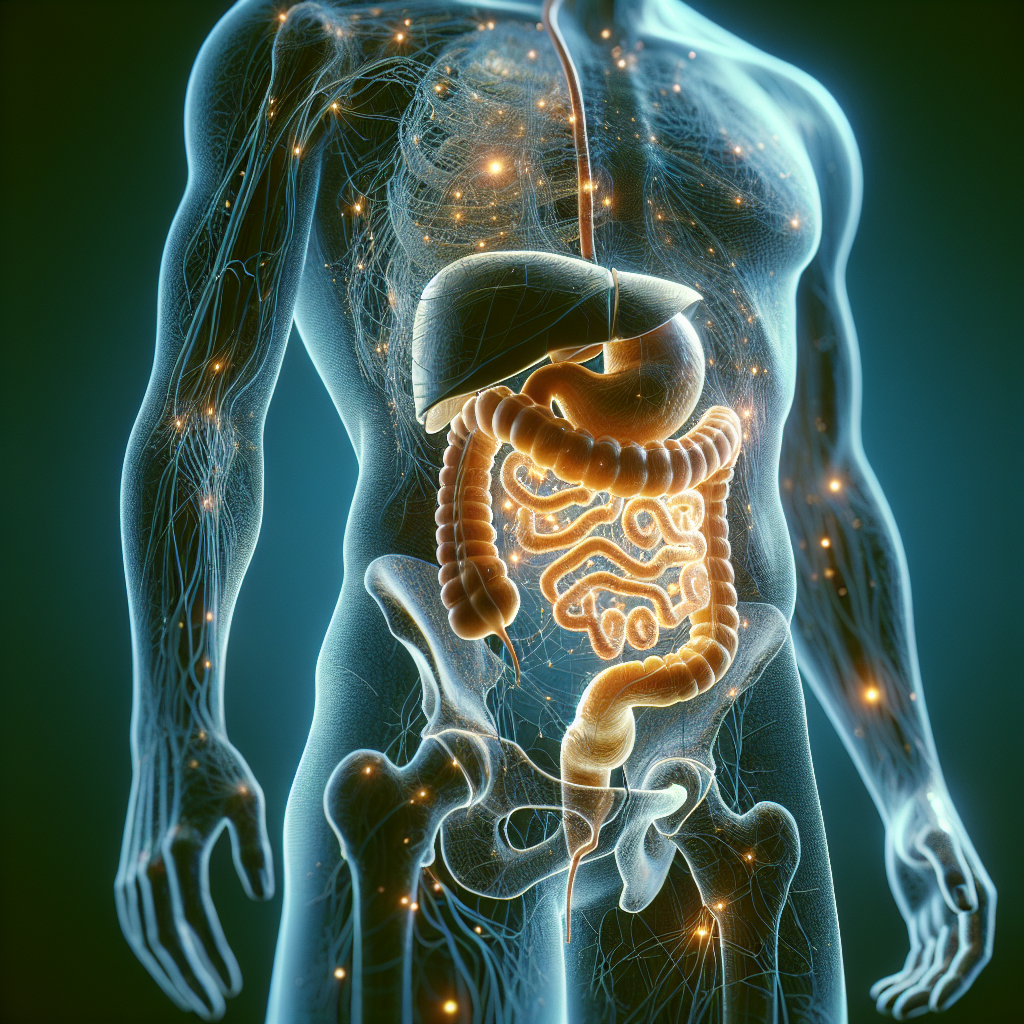
Stress does not stay in the mind—it changes the mechanics of digestion
One of the most overlooked effects of chronic stress is that it can alter digestion long before obvious gastrointestinal disease appears. People often describe this as bloating after small meals, nausea when anxious, constipation during busy periods, stress diarrhea before important events, reflux that seems unpredictable, or a sudden sense that foods they once tolerated now feel heavy. These are not random symptoms. They reflect a shift in how the nervous system allocates energy and controls the digestive tract.
When the brain perceives ongoing threat—whether from overwork, poor sleep, financial pressure, illness, caregiving, or emotional strain—it prioritizes survival. Blood flow, signaling, hormone release, gut movement, enzyme output, and even the permeability of the intestinal lining can change. In short, chronic stress can push digestion into a defensive mode.
The core mechanism: chronic stress shifts the body away from “rest and digest”
Healthy digestion depends heavily on parasympathetic tone, especially signaling through the vagus nerve. This system supports stomach acid release, pancreatic enzyme secretion, gallbladder contraction, intestinal movement, and coordinated communication between the brain and gut. Under chronic stress, sympathetic activation becomes more dominant. The body moves toward “fight, flight, or freeze,” and digestion becomes a lower priority.
This helps explain why some people eat quickly, feel full early, and later notice bloating or irregular bowel habits. The meal may not be the main issue. The nervous system state during and after the meal may be the larger driver.
What the vagus nerve is doing
The vagus nerve is a major communication highway between the brain and digestive organs. It helps regulate:
- stomach emptying
- release of digestive secretions
- intestinal motility
- sensation of fullness
- anti-inflammatory signaling in the gut
When vagal tone is reduced during prolonged stress, digestion may become less coordinated. Food can sit in the stomach longer, intestinal contractions can become inconsistent, and communication between the gut and brain can feel distorted. That is one reason stress can produce opposite symptoms in different people—or even in the same person at different times.
Cortisol changes more than mood and energy
Cortisol is often discussed as the body’s main stress hormone, but its digestive effects are just as important. In the short term, cortisol helps mobilize energy and maintain blood sugar. With chronic exposure, the pattern becomes more complicated. Appetite regulation, glucose control, sleep quality, inflammatory signaling, and microbial balance can all shift. Those changes feed back into digestion.
Chronically elevated or dysregulated cortisol may contribute to:
- changes in gut motility
- greater perception of abdominal discomfort
- altered intestinal barrier function
- immune changes in the gut lining
- more erratic hunger and cravings
That last point matters. Many people under chronic stress alternate between undereating during the day and overeating later. This pattern can intensify reflux, bloating, and unstable bowel habits—not because the digestive system is weak, but because it is being repeatedly challenged under poor physiological conditions.
Why stress can cause both constipation and diarrhea
This is where generic wellness content often gets it wrong. Stress does not create one predictable digestive pattern. It disrupts regulation. In some people, stress accelerates intestinal transit, leading to urgency or looser stools. In others, it slows motility, contributing to constipation, incomplete evacuation, and abdominal pressure. The determining factors include autonomic balance, sleep debt, gut microbiome composition, diet pattern, medications, movement, thyroid status, and previous gut infections.
Stress also changes how the brain interprets gut signals. Two people may have a similar amount of gas or bowel activity, but the stressed person may perceive more pain, urgency, or discomfort because the gut-brain axis has become more reactive.
The gut-brain axis is not abstract
The gut-brain axis refers to continuous communication among the central nervous system, enteric nervous system, immune system, hormones, and microbiome. Chronic stress can disturb this network in practical, measurable ways. It can affect neurotransmitters, alter microbial diversity, and increase sensitivity of the intestinal lining. This is one reason long periods of high stress often coincide with flares in functional digestive symptoms.
Stomach acid, enzymes, and bile can be indirectly affected
Digestion begins well before nutrients reach the small intestine. Sight, smell, anticipation, chewing, and a calm parasympathetic state all help prepare the stomach, pancreas, and gallbladder to do their jobs. Under chronic stress, this preparatory phase can be blunted.
The result may be poor meal tolerance rather than a clear disease signal. Someone may notice heaviness after protein-rich meals, excessive belching, upper abdominal fullness, or feeling sluggish after eating. Stress is not the only possible explanation, but it is an important one because low digestive readiness can reduce the efficiency of normal digestive processes.
This is also where practical support may help some people. If stress is a dominant theme and fatigue is part of the picture, a targeted product such as a stress-focused B-complex formula may fit into a broader nutrition plan, especially when meals have been irregular. Supplements are not a substitute for assessing symptoms, but they can sometimes support foundational intake when stress has disrupted routines.
Stress can change the intestinal barrier and immune signaling
The intestinal lining is not just a passive tube. It is a dynamic barrier that selectively allows nutrient absorption while limiting unwanted exposure to microbes and food components. Chronic stress can influence this barrier through cortisol, inflammatory mediators, reduced vagal anti-inflammatory signaling, and changes in the microbiome.
When barrier regulation is impaired, some people notice greater food sensitivity, more bloating, or increased reactivity after meals. This does not automatically mean a person has a permanent intolerance or a severe pathology. Sometimes it reflects a nervous system and gut environment that has become less resilient under ongoing stress.
Why stress often changes the microbiome indirectly
Stress does not affect the microbiome only through hormones. It also changes behavior. People under pressure often sleep less, chew less, rely on convenience foods, drink more alcohol or caffeine, skip fiber, and eat at inconsistent times. These habits shift the microbial environment. Over time, that can affect fermentation patterns, stool consistency, gas production, and inflammatory tone.
This is why chronic stress rarely acts alone. It tends to travel with routine disruption. Looking only at probiotics or eliminating random foods misses the bigger pattern.
A common mistake: treating digestive symptoms while ignoring nervous system load
One of the biggest clinical mistakes is trying to “fix the gut” without addressing stress physiology. People may rotate supplements, remove multiple foods, or chase isolated symptoms while continuing to eat in a state of activation, work late into the night, sleep poorly, and use stimulants to compensate. In that context, digestion remains stuck in a state of poor regulation.
That does not mean symptoms are “just stress.” It means stress may be amplifying genuine digestive dysfunction. A more useful question is: what is the nervous system doing during the hours when digestion is supposed to happen?
Signs stress may be a major digestive driver
- symptoms worsen during work pressure, travel, conflict, or sleep loss
- you feel too tense to eat, then overeat later
- bloating is worse when eating fast or multitasking
- bowel habits change before deadlines or stressful events
- reflux or nausea appears during anxious periods even without clear food triggers
Practical ways to reduce the gut impact of chronic stress
The goal is not perfect relaxation. It is creating enough physiological safety for digestion to function more predictably.
1. Change the state before changing the food
A simple pre-meal transition matters. Sit down. Put away the phone. Slow breathing for even 60 to 90 seconds can help shift autonomic tone. Chew more thoroughly. This sounds basic, but it directly affects the cephalic phase of digestion and may improve how a meal is handled.
2. Stabilize meal timing
Long gaps followed by large evening meals create digestive strain, especially in already stressed people. More regular meal timing can reduce extremes in hunger, improve tolerance, and support steadier energy.
3. Protect sleep if digestive symptoms are recurring
Sleep loss raises stress reactivity, changes appetite signaling, and worsens gut-brain dysregulation. If stress and digestion are both issues, sleep is often a leverage point. A simple self-check with our sleep score tool can help identify whether poor recovery may be amplifying digestive symptoms.
4. Be strategic, not aggressive, with supplements
Some people under sustained stress explore targeted support for resilience and energy. For example, a cortisol-support formula for daily stress response may appeal to those looking for structured support. The key is not to stack multiple products randomly. Choose one approach, monitor response, and discuss persistent symptoms with a qualified clinician—especially if symptoms are new, severe, or progressive.
5. Do not assume every food reaction is a true intolerance
During periods of high stress, the same food can feel fine one week and problematic the next. Before eliminating many foods, consider the context: sleep, pace of eating, caffeine, alcohol, bowel pattern, and stress load. Sometimes improving regulation reduces “food sensitivity” more than restriction does.
When to look beyond stress
Stress can strongly influence digestion, but it should not be used to dismiss concerning symptoms. Medical evaluation is important for unintentional weight loss, persistent vomiting, blood in the stool, anemia, difficulty swallowing, severe abdominal pain, fever, or a major change in bowel habits that does not settle.
It is also worth assessing for common overlap issues such as reflux disease, H. pylori infection, IBS, celiac disease, thyroid dysfunction, medication effects, or gallbladder problems. Stress may worsen these conditions, but it may not be the only driver.
The bigger picture
Chronic stress changes digestion because the body interprets long-term pressure as a biological priority. Vagal tone drops, sympathetic signaling rises, cortisol patterns shift, gut motility becomes less predictable, digestive readiness weakens, and the gut-brain axis becomes more reactive. That is why digestive symptoms under stress can feel broad, inconsistent, and frustrating.
The most useful response is not a generic “eat better and relax” message. It is recognizing that digestion is a nervous system event as much as a gastrointestinal one. When stress becomes chronic, the gut often reflects it early.
If symptoms seem disproportionate to what you eat, look not only at the plate, but at the physiological state in which the meal is happening.
Image keywords
chronic stress vagus nerve digestion illustration; cortisol gut motility mechanism medical graphic; stressed person bloating after meal realistic clinic scene; gut brain axis nervous system digestion infographic; chronic stress sleep loss digestive symptoms concept


