

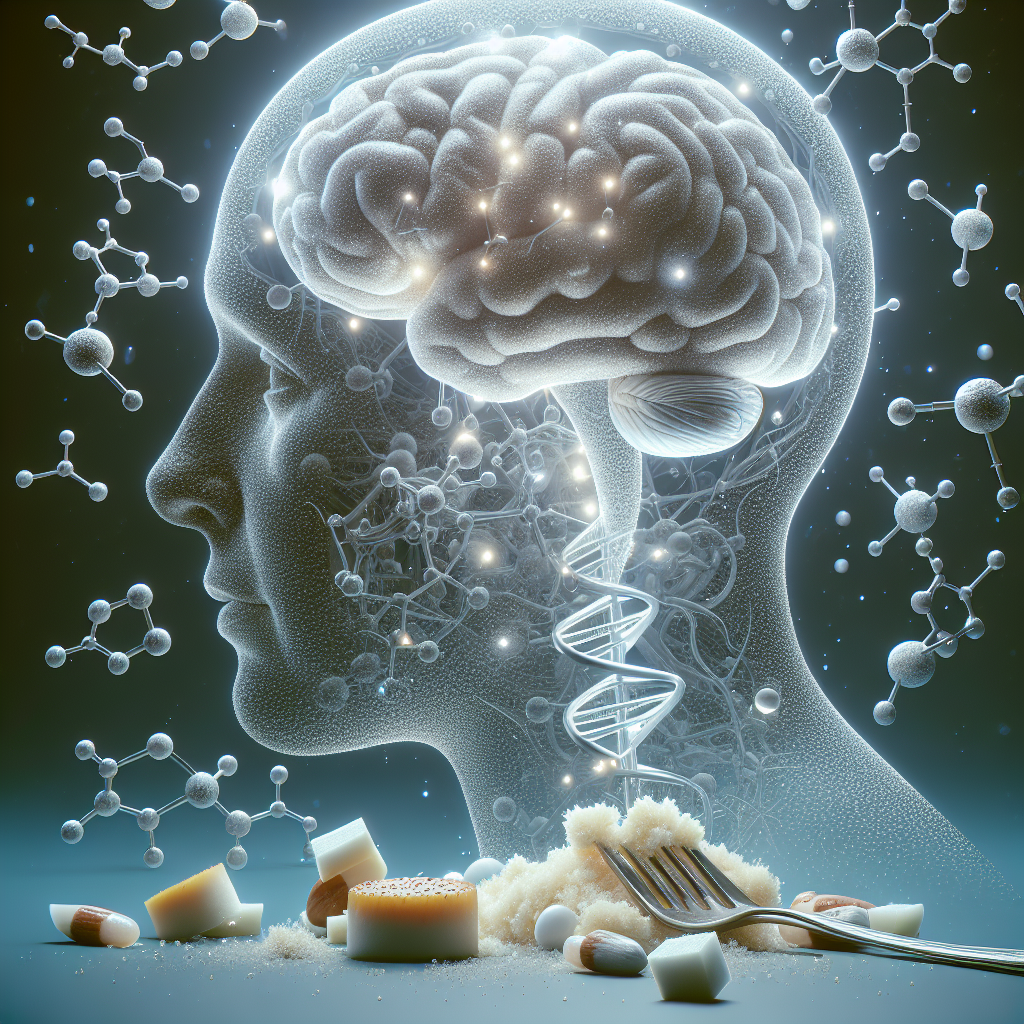
Brain fog after meals often starts with unstable glucose, not weak willpower
If you feel mentally slow, sleepy, irritable, or unfocused after eating, the usual explanation is that you ate a heavy meal. That can be true, but it often misses the more useful question: what happened to your glucose regulation after the meal? In many people, brain fog after meals reflects a mismatch between incoming carbohydrates, insulin response, gastric emptying, and the brain’s need for a steady fuel supply.
The brain depends heavily on glucose. It does not just need glucose present in the bloodstream; it needs glucose delivered in a relatively stable way. When a meal causes a rapid rise in blood sugar followed by a sharp insulin response, some people experience a fast swing from alertness to mental dullness. Others develop sluggish thinking during the glucose spike itself, especially after high-glycemic meals that combine refined starch, sugar, and low fiber.
This is why two meals with the same calories can feel completely different mentally. A pastry and sweet coffee may produce a very different cognitive outcome than eggs, vegetables, olive oil, and a modest portion of fruit. The issue is not only calories. It is the shape of the glucose curve.
What glucose is doing in the brain after you eat
After a meal, carbohydrates are broken down into glucose, which enters the bloodstream. In response, the pancreas releases insulin so glucose can move into tissues. The brain is somewhat unique: it has a constant energy demand and relies on a carefully controlled supply crossing the blood-brain barrier.
When post-meal glucose rises rapidly, several things may happen at once:
- Large insulin release: a bigger glucose load usually requires a bigger insulin response.
- Reactive drop: in some people, glucose then falls quickly, sometimes into a range that is technically normal but still low relative to where the body was minutes earlier.
- Autonomic shift: blood flow and nervous system activity move toward digestion, which can amplify fatigue.
- Inflammatory signaling: highly processed meals can increase oxidative and inflammatory stress, which may worsen perceived brain fog.
The result is not always dramatic shakiness or sweating. Sometimes it is subtle: poor concentration, word-finding difficulty, yawning, craving something sweet, or the feeling that your brain “goes offline” 30 to 90 minutes after eating.
The common mistake: blaming the meal size instead of the glucose pattern
Many people assume post-meal brain fog means they simply ate too much. But brain fog can occur after a small lunch if that lunch is built around fast-digesting carbs with little protein, fat, or fiber. A cereal bar, fruit juice, white toast, or sweetened yogurt may seem light, yet still trigger a glucose surge followed by a mental crash.
By contrast, a larger meal with a slower glycemic impact may feel more stable. This is one reason the symptom can be confusing. The problem is often not fullness alone. It is rapid absorption and unstable blood sugar handling.
That distinction matters because it changes the solution. If the real issue is glucose volatility, simply eating less may not help much. You may need to change meal composition, sequence, and timing instead.
Why some people are more prone to brain fog after meals
1. Reduced insulin sensitivity
If cells do not respond efficiently to insulin, the body often needs more insulin to manage the same amount of glucose. This can produce larger swings after meals. Over time, that pattern may be associated with energy instability, cravings, and post-meal fatigue. People with central weight gain, elevated triglycerides, poor sleep, or a family history of metabolic dysfunction may be more likely to experience this.
If this sounds familiar, a HOMA-IR calculator can help you better understand whether fasting glucose and insulin suggest insulin resistance. It is not a diagnosis, but it can provide useful context for discussing symptoms with a clinician.
2. High-glycemic meal structure
Meals dominated by refined carbs are absorbed quickly. Examples include white rice bowls with sugary sauces, pastries, sweet breakfast foods, large smoothie bowls, and low-protein snack lunches. Even foods marketed as healthy can cause problems if they are mostly blended fruit, oats, dates, or honey without enough protein and fat.
3. Long gaps between meals
If you wait too long to eat, stress hormones can rise, appetite becomes less regulated, and you may eat quickly or choose more concentrated carbs. That combination can intensify glucose variability and make brain fog more noticeable.
4. Poor sleep and circadian disruption
Sleep restriction can reduce insulin sensitivity even in otherwise healthy people. That means the exact same lunch may feel fine after a good night’s sleep and mentally flattening after a poor one.
5. Mixed triggers that are not only glucose
Glucose is a key mechanism, but it is not the only one. Heavy alcohol intake the night before, dehydration, very large meals, food intolerances, histamine sensitivity, and underlying gastrointestinal issues can also contribute. Still, glucose control is one of the most common and most modifiable drivers.
How to tell whether glucose is likely involved
Patterns matter more than isolated episodes. Glucose-related brain fog is more likely when the symptom appears:
- 30 to 120 minutes after meals
- more often after sweet, starchy, or low-protein meals
- with sleepiness, cravings, irritability, or shaky hunger
- less often after protein-rich breakfasts or balanced lunches
- during stressful weeks or after poor sleep
Some people notice a strong difference between breakfast types. A bagel, cereal, muffin, or flavored coffee may be followed by poor focus, while eggs, Greek yogurt, or a savory meal produces steadier concentration. That is a practical clue that meal-driven glucose dynamics may be involved.
Practical ways to reduce brain fog after meals
Build meals to slow glucose entry
The most effective change is often simple: combine carbohydrates with protein, fiber, and healthy fat. This slows gastric emptying and reduces the speed at which glucose reaches the bloodstream.
- Protein: eggs, fish, poultry, tofu, Greek yogurt, cottage cheese, legumes
- Fiber: vegetables, beans, lentils, chia, flax, intact grains
- Healthy fat: olive oil, nuts, seeds, avocado
- Smarter carbs: berries, beans, lentils, quinoa, intact oats, cooled potatoes or rice in moderate portions
Instead of toast and jam alone, try eggs with vegetables and one slice of seeded bread. Instead of a fruit smoothie by itself, add protein and reduce liquid sugars. Instead of white rice as the center of the plate, use a smaller portion alongside salmon, vegetables, and olive oil.
Use food order strategically
Meal sequence can affect glucose response. Eating vegetables and protein before starches may blunt the post-meal rise in blood sugar in some people. This is not magic, but it can be helpful when symptoms are predictable.
Walk after meals
A 10- to 15-minute walk after eating can improve postprandial glucose handling by increasing muscular glucose uptake. For people who get brain fog after lunch, this can be more useful than another coffee.
Reduce liquid sugars
Juices, sweetened coffee drinks, sodas, and even “healthy” bottled smoothies can deliver glucose rapidly with less satiety. Liquid carbohydrates are often one of the fastest ways to create an unstable glucose curve.
Do not rely on a carb-only breakfast
Breakfast is a common trigger because many convenient options are mostly refined starch and sugar. If post-meal brain fog is part of your day, breakfast is usually the first meal worth changing.
Where supplements and products fit realistically
Supplements do not replace meal structure, sleep, or movement, and no product should be viewed as a treatment for post-meal brain fog. But some people find that making food choices easier and lowering overall stress around routines improves consistency. For example, if your brain fog worsens when poor sleep leads to worse food decisions, improving evening routines and recovery habits can indirectly support better glucose control the next day.
Likewise, people who build a more stable morning routine often do better when they simplify self-care habits rather than chase stimulants. Even practical routines such as showering, getting daylight, and using a simple post-gym care product like a cooling post-shave and recovery moisturizer can help reinforce a steadier start to the day. If lunchtime brain fog tends to follow rushed mornings, habit consistency matters more than people think.
For those trying to stick to a brief post-meal walk outdoors instead of collapsing onto the couch, reducing environmental distractions can also help. A practical item like a lightweight natural outdoor body lotion may sound unrelated, but friction reduction is often what makes healthy habits repeatable. The key is perspective: products can support routines, but they do not fix glucose instability by themselves.
When brain fog after meals deserves medical attention
Educational self-observation is useful, but persistent or worsening symptoms should not be dismissed. Consider professional evaluation if post-meal brain fog is frequent, severe, or accompanied by:
- faintness or near-fainting
- palpitations
- significant unintended weight change
- very intense thirst or frequent urination
- new headaches or neurological symptoms
- digestive symptoms that suggest malabsorption or intolerance
Clinicians may consider glucose regulation, anemia, thyroid issues, sleep disorders, medication effects, and gastrointestinal triggers depending on the pattern.
The bigger takeaway
Brain fog after meals is often framed as a motivation problem or an unavoidable “food coma.” A more useful framing is metabolic. In many cases, the brain is reacting to how quickly glucose rises and falls, not just to how much food you ate.
That is why the most effective fixes are usually specific: change breakfast composition, anchor meals with protein and fiber, reduce liquid sugars, walk after meals, and pay attention to sleep. When you stabilize the glucose curve, mental clarity often improves not because you forced more productivity, but because you gave the brain a steadier fuel environment.
If your symptoms show a clear after-meal pattern, treat that pattern as meaningful data. Brain fog is not always vague. Sometimes it is a metabolic clue hiding in plain sight.


