

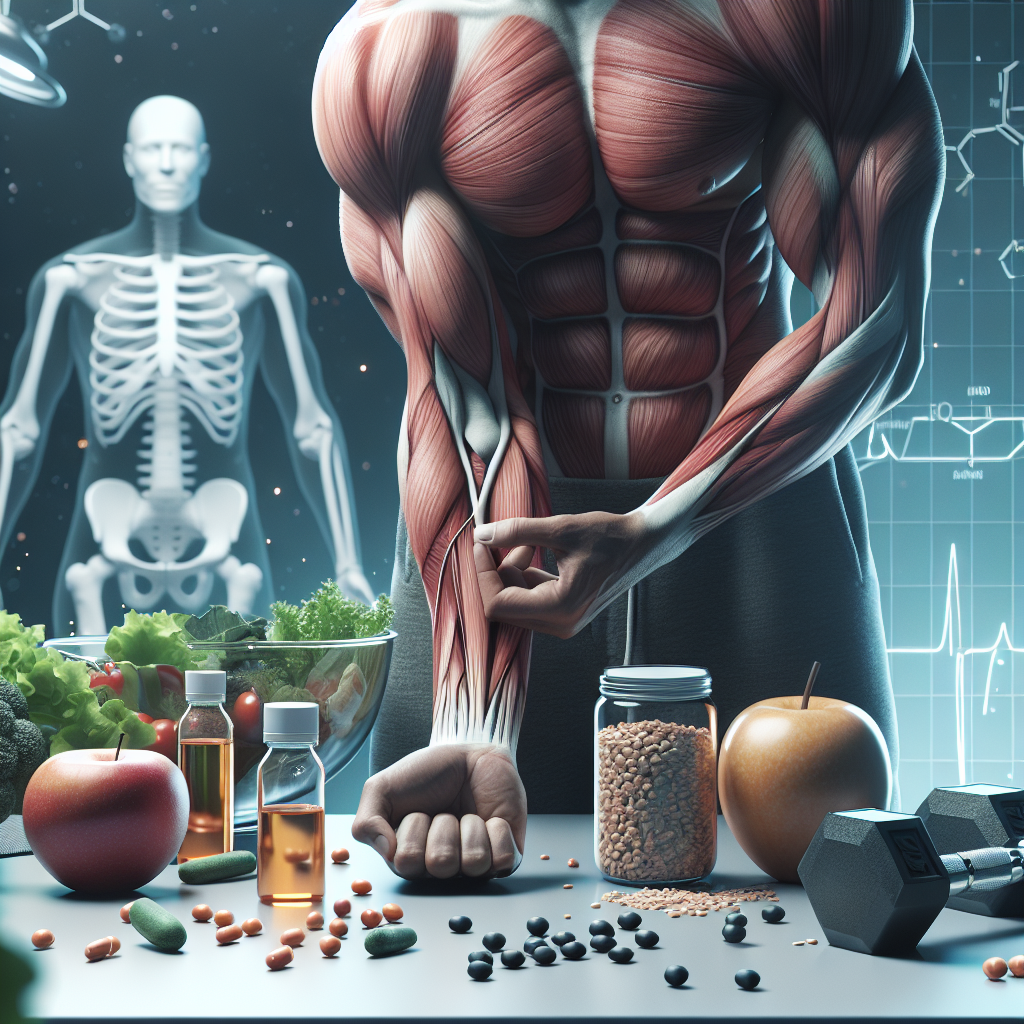
Muscle loss rarely starts with obvious weakness
Many adults assume they will notice aging-related muscle decline when they can no longer lift, climb stairs, or carry groceries. In reality, muscle loss often begins much earlier and more quietly. You may still function well, but the biology of muscle maintenance is already changing: muscle protein synthesis becomes less responsive, recovery slows, and daily eating patterns that once seemed adequate no longer provide a strong enough signal to preserve lean tissue.
This is why muscle loss is such an aging blind spot. Weight can stay stable while muscle gradually declines and body fat rises. A person can even look “healthy” on the scale while losing metabolic resilience, mobility reserve, and the capacity to recover from illness, inactivity, or stress.
Protein sits at the center of this problem—not simply total protein intake, but how much is eaten, when it is eaten, and whether the aging body can effectively use it.
The mechanism: aging muscle becomes harder to stimulate
Muscle is not static tissue. It is constantly being remodeled through two opposing processes: muscle protein synthesis and muscle protein breakdown. In younger adults, a moderate protein-containing meal and resistance activity can stimulate a robust building response. With age, that same meal often produces a weaker anabolic signal. This phenomenon is often described as anabolic resistance.
Anabolic resistance means older muscle needs a stronger stimulus to achieve the same synthetic response. That stimulus usually includes:
- a sufficient dose of high-quality protein
- adequate essential amino acids, especially leucine
- regular muscle-loading activity such as resistance training
- enough total energy intake to avoid using protein as fuel
When these conditions are not met, the body may still meet basic survival needs, but it does a poorer job maintaining muscle tissue. Over time, that can contribute to sarcopenia, the age-related loss of muscle mass and function.
The key point is that aging does not only reduce muscle because people move less. It changes how muscle responds to food. That is why the same eating pattern that “worked for years” can become inadequate later in life.
The real mistake is often protein distribution, not just low intake
One of the most common patterns in adults over 40 is a low-protein breakfast, a moderate lunch, and a large protein-heavy dinner. Total daily protein may appear acceptable on paper, but the body does not store dietary protein the way it stores fat or carbohydrate. Muscle protein synthesis is stimulated meal by meal.
If breakfast provides toast, fruit, and coffee, and lunch offers only a small amount of protein, the body misses two opportunities to trigger muscle-building signals. A large steak at dinner cannot fully “make up” for that lost stimulation earlier in the day.
In practical terms, muscle preservation is often improved when protein is more evenly distributed across meals. For many older adults, this means shifting from a pattern of “almost none, a little, then a lot” to “enough at breakfast, enough at lunch, enough at dinner.”
This is especially relevant during periods of inactivity, poor appetite, caregiving stress, weight loss efforts, or recovery from illness—all common in midlife and older age.
Why breakfast matters more than most people think
Breakfast is frequently the weakest protein meal of the day, yet it follows an overnight fast. That makes it a strategic moment to support muscle protein synthesis. A breakfast built around eggs, Greek yogurt, cottage cheese, tofu, or a well-formulated protein shake creates a very different physiological response than one built mainly around refined carbohydrate.
That does not mean every meal must be extreme or high-calorie. It means each meal should provide a meaningful muscle signal.
Muscle loss affects more than appearance
Muscle is a major metabolic organ. It helps regulate glucose disposal, supports insulin sensitivity, stores amino acids, contributes to balance and posture, and acts as a reserve during illness or injury. When muscle declines, the effects can show up far beyond the gym.
Low muscle mass is associated with:
- reduced physical function
- lower metabolic flexibility
- poorer recovery after illness or surgery
- higher vulnerability during weight loss
- greater risk of frailty with aging
This is one reason some people become “smaller but less robust” as they age. Weight loss alone is not automatically beneficial if a meaningful share comes from lean tissue.
Body size tools can be useful for broad context, but they do not distinguish fat from muscle. If you want a quick screen for weight category, the BMI calculator can be a starting point, but it should not be mistaken for a muscle-health assessment.
Why dieting can accelerate the problem
Another blind spot appears during attempts to eat “lighter” for longevity. Adults often reduce calories, cut animal foods, skip meals, or rely on salads and smoothies without asking whether protein intake remains adequate. If calories fall and protein falls with them, the body becomes more likely to break down lean tissue—especially if resistance training is absent.
This matters because age-related muscle loss and intentional weight loss can overlap. Without attention to protein and muscle-loading exercise, some weight-loss strategies improve the scale while undermining strength reserve.
For older adults, a more protective approach is usually to prioritize protein first, then shape carbohydrates and fats around energy needs, activity level, and health goals.
How much protein matters—but quality and context matter too
There is no single protein target that fits everyone. Needs vary with age, activity, illness, body size, appetite, and goals. Still, many adults focused on healthy aging benefit from thinking beyond the minimum requirement designed to prevent deficiency.
From a muscle-preservation perspective, the most relevant factors are:
- Total daily intake: enough protein to support repair and maintenance
- Per-meal dose: enough at each meal to overcome anabolic resistance
- Protein quality: adequate essential amino acids, including leucine
- Timing around activity: supporting recovery after resistance exercise
High-quality protein sources include dairy, eggs, fish, poultry, meat, soy foods, and mixed meals designed to provide a complete amino acid profile. For people with low appetite or convenience barriers, supplementation can help close gaps.
For example, adding a practical option such as a greens powder with added protein and micronutrients may support overall intake quality in people who struggle to build balanced meals, though it should not replace core protein-rich foods. Some people also do better with meal-building strategies that include complete proteins first, then fiber-rich plants and healthy fats.
The protein source is not the only issue—muscle needs a signal to use it
Even an excellent protein intake works better when paired with resistance exercise. Mechanical tension from strength training activates signaling pathways involved in muscle remodeling, including mTOR-related pathways that interact with amino acid availability. Put simply, movement tells the muscle it is needed; protein provides the raw materials to maintain it.
This is why walking, while valuable for cardiovascular health and longevity, is not usually enough on its own to preserve muscle optimally. Aging muscle responds best when protein and resistance stimulus are both present.
That does not require bodybuilding. It can mean progressive bodyweight work, resistance bands, machines, free weights, or structured functional training performed consistently.
Why illness, stress, and inactivity change protein needs
Muscle loss often accelerates during stressful life periods rather than during normal routines. Bed rest, poor sleep, infection, pain, caregiving strain, low appetite, grief, and post-surgical recovery can all increase breakdown or reduce intake. Older adults are particularly vulnerable because they start with less metabolic reserve and often regain fat more easily than muscle after setbacks.
This is one reason “I eat fine most days” can be misleading. A few weeks of reduced intake and low movement can have a disproportionate effect on muscle in later decades. During these periods, protein-rich snacks, ready-to-use options, and simple meal templates become more important.
If convenience is the main barrier, using structured foods strategically may help. For some people, keeping an easy daily nutrition powder for smoothies on hand improves consistency when appetite, time, or energy is low.
Practical signs you may be overlooking muscle decline
Muscle loss does not always announce itself dramatically. It often shows up as subtle changes that are easy to blame on being busy or “just getting older.”
- needing more time to recover after normal activity
- feeling weaker during tasks you used to handle easily
- becoming less steady when getting up from the floor or a low chair
- seeing weight stay the same while shape or firmness changes
- finding it harder to maintain strength during dieting
- reduced appetite leading to smaller, low-protein meals
These signs are not diagnostic, but they are reasons to take muscle health seriously before function declines further.
A smarter longevity approach: protect muscle on purpose
Longevity is often framed around blood markers, fasting, supplements, or calorie restriction. Those topics matter, but they can overshadow a more immediate predictor of healthy aging: whether you keep enough functional muscle to remain resilient.
Protein is not a glamour topic, yet it is one of the most actionable levers in aging well. The goal is not excessive intake or obsession. The goal is to stop treating muscle as something that only matters to athletes.
A practical muscle-protective strategy often looks like this:
- include meaningful protein at breakfast, lunch, and dinner
- avoid long stretches of low-protein eating
- pair protein intake with resistance exercise several times weekly
- pay extra attention during dieting, illness, or inactivity
- use convenient protein-supportive foods when appetite is low
The hidden risk of aging is not just living longer with less disease. It is living longer with less reserve. Muscle loss is easy to miss precisely because it is gradual. By the time strength visibly fails, the process has often been underway for years.
That is why protein deserves a central place in any evidence-informed longevity conversation: not as a trend, but as a daily tool for maintaining structure, function, and independence over time.


