

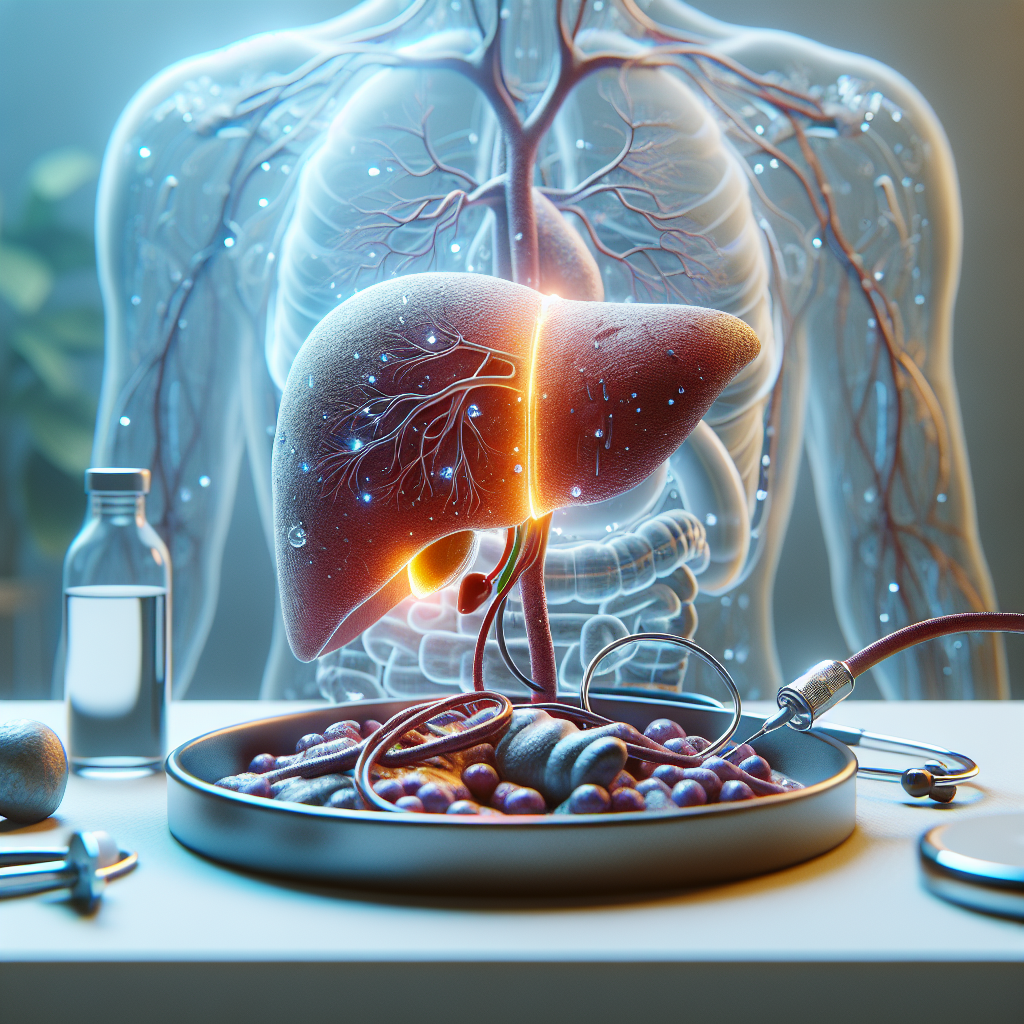
Detox symptoms are often blamed on “toxins” when the real issue is mismatch
When people start a liver-focused protocol and then develop headaches, fatigue, nausea, skin changes, constipation, loose stools, or a strange “flu-like” slump, the reaction is often interpreted in one of two overly simple ways: either “the detox is working” or “my body is rejecting it.” In practice, both assumptions can be misleading.
Many so-called detox symptoms are better explained by physiology: changes in bile flow, altered bowel habits, shifts in blood sugar from diet changes, dehydration, caffeine withdrawal, reduced calorie intake, poor sleep, or sensitivity to concentrated herbs and compounds. The liver is central to processing endogenous waste products, hormones, medications, and metabolic byproducts, but it does not work in isolation. The gut, kidneys, gallbladder, nervous system, and overall energy status all shape how a person feels during any “detox” plan.
This is why the same protocol can feel fine for one person and rough for another. The difference is often not “how toxic” they are. It is whether elimination pathways, digestion, and recovery capacity can keep up with the pace of change.
What the liver is actually doing during a detox-style protocol
The word detox is used loosely, but in biology the liver performs highly organized tasks rather than a vague cleansing process. Broadly, it helps transform compounds so they can be used, recycled, or excreted. That includes metabolic byproducts, alcohol, certain environmental chemicals, medications, steroid hormones, and compounds produced by gut microbes.
These processes rely on enzymes, amino acids, antioxidants, and adequate nutritional status. The liver also packages waste into bile, which is released into the digestive tract. From there, successful elimination depends on one unglamorous but essential factor: regular bowel movements.
If bile moves well but stool does not, people may feel worse rather than better. If food intake drops sharply, bile release may become inconsistent. If hydration is poor, headaches and fatigue can appear quickly. If a person starts several supplements at once, it becomes nearly impossible to tell whether symptoms reflect the protocol design, the dose, or simple intolerance.
In other words, symptoms during a detox plan are often about traffic flow, not mysterious poison release.
The most common reason detox symptoms are misread: bile flow changes
Many liver-support products include compounds intended to support bile production or bile movement, such as artichoke, dandelion, bitters, choline, or taurine-containing formulas. This can be useful in the right context, but a sudden increase in bile-related activity may temporarily change digestion.
Bile helps emulsify fats and carries certain waste products into the intestine. When bile flow changes, people may notice nausea, abdominal discomfort, looser stools, darker stool, urgency after meals, or a sense of heaviness under the right rib area. These sensations are often labeled “detox symptoms,” but they may simply reflect that the digestive system is being pushed faster than it can comfortably handle.
This matters especially in people who:
- eat very low-fat diets and then suddenly introduce bitters or liver formulas
- have irregular meals or long fasting windows
- already struggle with constipation
- are sensitive to herbal extracts
- have known gallbladder issues or a history of poor fat digestion
That is why aggressive support is not always better. A gentle protocol with regular meals, adequate fluids, and attention to bowel regularity often produces fewer “detox reactions” than a strong formula layered onto an unstable routine.
Constipation can make a liver protocol feel worse
One of the biggest interpretation errors is ignoring bowel function. If waste is being moved into the intestine but stool transit is slow, a person may experience bloating, headaches, sluggishness, or skin flares and assume toxins are circulating. While symptom stories online often make this sound mystical, the simpler explanation is delayed elimination and gut discomfort.
The liver and gut are tightly connected. Compounds sent out in bile are meant to leave the body. If transit is poor, some substances may be reprocessed rather than efficiently cleared. Even without getting into technical detail, the practical point is clear: a liver protocol should never ignore hydration, fiber tolerance, meal regularity, and stool frequency.
If symptoms appear after starting a product, it is often worth asking basic questions first:
- Am I eating enough?
- Have my bowel movements changed?
- Did I reduce caffeine suddenly?
- Am I drinking less water than usual?
- Did I start multiple supplements at the same time?
- Am I reacting to the ingredients rather than “detoxing”?
These questions solve more confusion than dramatic detox theories do.
Low energy and headaches are often adaptation problems, not proof of cleansing
Many detox plans change food intake at the same time they add supplements. People cut sugar, alcohol, ultra-processed foods, and caffeine, then begin fasting longer, increase water, and take a liver blend. If they feel poorly 48 hours later, the supplement gets all the credit or all the blame.
But fatigue and headaches commonly come from adaptation stress. Lower carbohydrate intake can change fluid and sodium balance. Reduced caffeine can trigger withdrawal. Undereating can make people shaky, irritable, or lightheaded. Sleep can worsen when routines become too restrictive. In those cases, the symptom is not a reliable marker of liver function at all.
This is one reason symptom-only thinking is risky. A difficult reaction does not automatically mean a protocol is effective, and a smooth experience does not automatically mean it is ineffective. Mechanism matters more than mythology.
Why “detox skin breakouts” are also frequently misunderstood
Skin changes are another area of overinterpretation. Breakouts or rashes after beginning a detox routine are often framed as evidence that toxins are “coming out through the skin.” That explanation is usually too simplistic.
Skin symptoms may be influenced by dietary shifts, increased sweating, changes in bowel habits, histamine responses, stress hormones, cosmetic products, or sensitivity to herbal ingredients. Rapid fat loss can also alter hormonal signaling in ways that change the skin temporarily. None of that proves a successful cleanse. It only shows that the body is responding to multiple inputs at once.
For readers trying to make sense of liver-related lab context, a more grounded next step is to review patterns rather than chase symptom folklore. A tool like the ALT and AST interpretation tool can help frame liver enzyme discussions more realistically, though lab results should always be interpreted in clinical context.
The dose and ingredient stack are often the real problem
Another reason detox symptoms are misread is that many people start with a complex formula instead of a controlled trial. Multi-ingredient liver products may combine herbs, amino acids, antioxidants, choline, sulfur-containing compounds, and spices such as turmeric or black pepper extract. That creates many possible variables.
For example, black pepper extract can change absorption of other compounds. Bitter herbs can alter digestion noticeably. Sulfur-containing ingredients may be well tolerated by one person and uncomfortable for another. Some ingredients may interact with medications or be inappropriate in specific digestive or biliary conditions.
If a person takes a high-potency combination and feels worse, the lesson is not necessarily “my body is releasing toxins.” It may simply mean the formula is too stimulating, too broad, or poorly matched to the individual.
A more measured option is to start low, introduce one variable at a time, and choose products with a clear rationale. For example, some people prefer a broad-spectrum option such as a comprehensive liver support formula when they want multi-ingredient support, while others do better beginning with a simpler herb such as organic milk thistle capsules to assess tolerance first.
The liver does not work well when recovery is poor
People often focus intensely on liver supplements while ignoring the inputs that allow normal metabolic processing to run smoothly. The liver requires energy, adequate protein, micronutrients, antioxidant capacity, and circadian stability. Poor sleep, heavy alcohol intake, highly erratic eating, and repeated crash dieting can all make a person feel worse during a detox plan, regardless of which supplement they choose.
This is where the focus nutrient, liver, should be understood functionally rather than as a single pill solution. Supporting liver function means supporting the conditions under which the liver operates: enough calories, enough protein, regular meals for some individuals, hydration, bowel regularity, and fewer unnecessary stressors piled on at once.
When those basics are unstable, even a well-formulated product can feel like “too much.”
How to tell the difference between a temporary adjustment and a bad-fit protocol
Short-lived changes such as a mild shift in stool pattern or transient digestive awareness may occur when routines change. But a protocol is more likely to be a poor fit if symptoms are escalating, persistent, or clearly disruptive.
Signs the plan may simply need adjustment
- symptoms begin soon after starting and improve with dose reduction
- issues are mild and mostly digestive
- bowel habits normalize when hydration and meals improve
- energy improves after eating enough and restoring electrolytes
Signs it should not be dismissed as “just detox”
- significant abdominal pain
- repeated vomiting
- fainting or severe weakness
- yellowing of the skin or eyes
- dark urine with concerning systemic symptoms
- symptoms in someone using medications with known liver or bile interactions
In those situations, self-experimentation should stop and medical evaluation is appropriate.
Practical ways to reduce misread detox reactions
The most effective strategy is not to force the process. It is to make the protocol easier to interpret.
- Change one variable at a time. Do not overhaul diet, caffeine, fasting, and supplements on the same day.
- Start with a lower dose. This helps separate sensitivity from expectation.
- Prioritize bowel regularity. A liver plan without attention to elimination often backfires.
- Eat consistently. Extreme restriction can create symptoms that have nothing to do with detoxification.
- Review ingredient lists carefully. Especially if there are medication concerns, bile-related issues, or known herb sensitivities.
- Track timing. Symptoms that appear immediately after a capsule may indicate intolerance more than detox.
These simple steps create cleaner feedback and reduce the tendency to romanticize feeling unwell.
The bottom line
Detox symptoms are often misread because the conversation is framed too loosely. The liver does not perform magic cleansing; it carries out metabolically demanding, highly coordinated tasks that depend on digestion, bile flow, nutrient status, bowel transit, hydration, and overall resilience. When symptoms appear during a liver protocol, they are often signals of mismatch, pace, or poor protocol design rather than proof that hidden toxins are finally leaving the body.
The most useful question is not “Is this detox?” but “What mechanism best explains what I am feeling right now?” That question leads to better decisions, safer supplement use, and a more realistic understanding of how liver support actually works.
Image prompts: person looking fatigued after starting a detox supplement with liver and digestive system overlay; clinical illustration of liver bile flow gallbladder intestine pathway with symptom labels; comparison graphic showing detox myth versus physiology-based causes like constipation dehydration and caffeine withdrawal; supplement routine on kitchen counter with meal timing water and symptom journal; healthcare-style infographic on liver support mistakes and bile flow adaptation


