

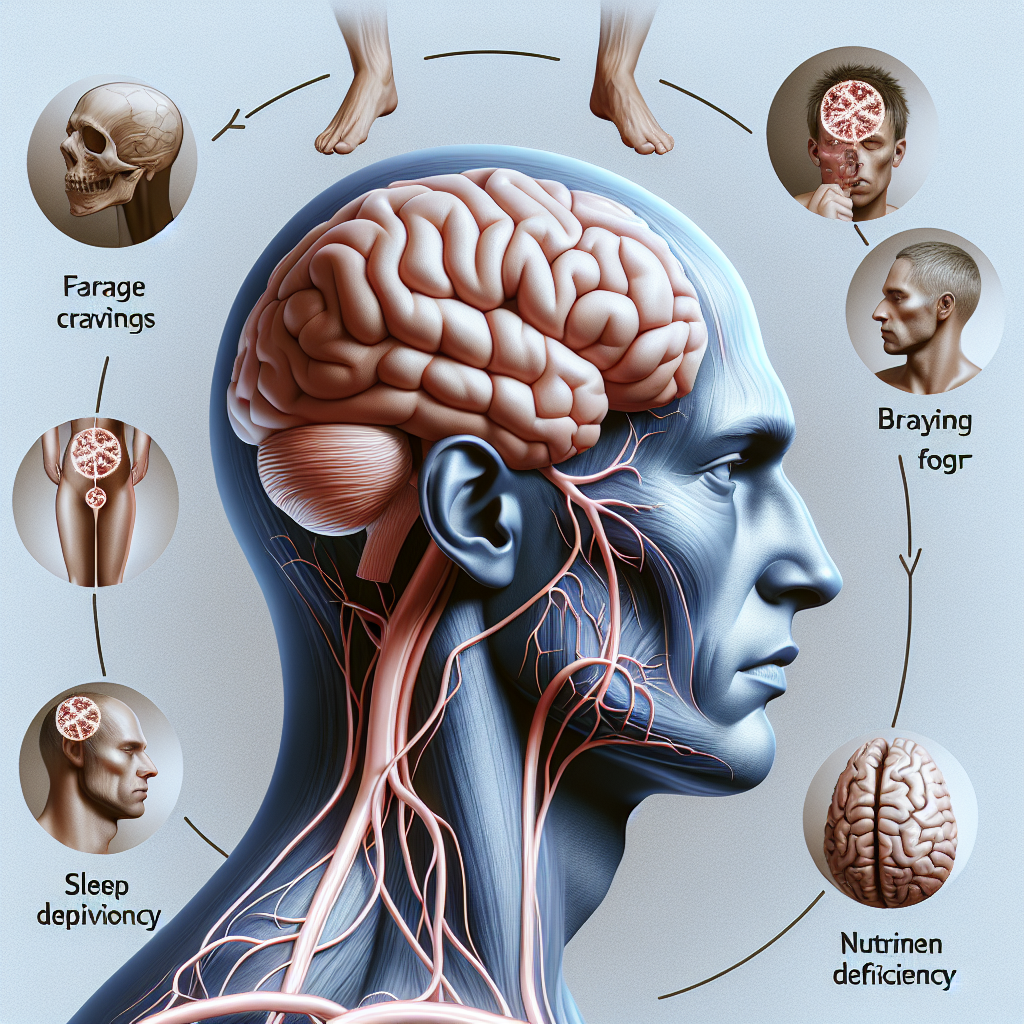
When sleep debt changes your biology, symptoms start to look nutritional
Poor sleep does not just make you tired. It changes hormone signaling, glucose handling, appetite regulation, pain sensitivity, attention, mood, and even how your body interprets normal effort. That is why chronic sleep disruption can create a symptom pattern that looks surprisingly similar to a nutrient problem: low energy, brain fog, irritability, cravings, headaches, poor exercise recovery, and daytime weakness.
This is where confusion starts. A person sleeps poorly for weeks, then notices fatigue, reduced focus, lower motivation, sugar cravings, and a sense that something is “missing.” It is easy to assume iron, B vitamins, magnesium, or vitamin D must be low. Sometimes that is true. But often, sleep loss itself is driving the picture first.
The key distinction is mechanism. Nutrient deficiency usually reflects inadequate intake, absorption, storage, transport, or utilization. Sleep loss, by contrast, produces a functional mismatch across multiple systems at once. You may feel depleted without actually being deficient in a classic laboratory sense.
Why sleep deprivation can mimic deficiency symptoms so closely
1. Sleep loss reduces cellular energy efficiency
Deep sleep supports mitochondrial recovery, tissue repair, and coordinated energy use. When sleep becomes fragmented or too short, the body often shifts toward a less efficient metabolic state. The result is familiar: heavy limbs, lower stamina, slower thinking, and the sense that you are running on empty.
That feeling can resemble low iron or inadequate B-vitamin status because all three states reduce perceived energy availability. The difference is that poor sleep often causes a wider “global slowdown,” including slower reaction time, lower frustration tolerance, and a stronger need for stimulants.
2. Poor sleep disrupts appetite signals and creates cravings
Sleep restriction alters hormones involved in hunger and fullness, especially ghrelin and leptin. At the same time, the brain becomes more responsive to rewarding foods. This can feel like a need for sugar, salt, or constant snacking, which many people interpret as a sign of low minerals or unstable blood sugar caused by a nutrient gap.
In real life, this is one of the most misleading patterns. A person with poor sleep may crave carbohydrates late at night, rely on caffeine in the morning, and feel shaky or flat by afternoon. It can look like a magnesium issue, a protein issue, or a broad deficiency state. But the upstream problem may be insufficient sleep architecture.
3. Sleep debt raises stress signaling
Insufficient sleep tends to increase sympathetic nervous system activity and can raise cortisol at the wrong times. That can produce anxiety, muscle tension, palpitations, irritability, and feeling “wired but tired.” These symptoms are commonly blamed on low magnesium or adrenal fatigue language, but often they reflect dysregulated stress physiology from poor sleep timing, poor sleep quality, or repeated sleep interruption.
Because the nervous system is more reactive, small problems feel larger. Noise seems louder. Work feels harder. Recovery feels slower. This creates the subjective experience of depletion, even if food intake is adequate.
4. Sleep fragmentation affects pain, mood, and concentration
One bad night can worsen pain tolerance and reduce focus the next day. Repeated bad nights can create persistent headaches, lower stress resilience, reduced patience, low mood, and memory lapses. That cluster often sends people looking for deficiencies in magnesium, omega-3 fats, B12, folate, or vitamin D.
Again, overlap is real. But symptom overlap is not diagnosis. Sleep is one of the strongest daily regulators of cognitive performance and emotional steadiness, so when it deteriorates, the pattern can imitate several nutrient-related complaints at once.
The symptom overlap that creates the most confusion
Several common complaints sit at the intersection of sleep problems and nutrient concerns:
- Fatigue: seen in poor sleep, iron deficiency, low B12, low folate, and many chronic conditions
- Brain fog: common after fragmented sleep and also reported with inadequate micronutrient intake
- Muscle tension or cramps: often linked to magnesium, but also worsened by stress, sleep loss, and dehydration
- Low mood and irritability: can accompany both sleep deprivation and nutritional imbalance
- Sugar cravings: may reflect sleep-driven appetite dysregulation rather than a single missing nutrient
- Poor exercise recovery: can occur with inadequate sleep even when protein and calories are sufficient
This overlap explains why people often self-prescribe supplements before they assess sleep quality. Supplements can have a role, but they cannot fully compensate for chronic sleep disruption.
The practical mistake: treating the “deficiency feeling” while ignoring sleep
The most common mistake is chasing isolated symptoms with single-nutrient logic. A person feels tired, so they add an energy formula. They feel tense, so they add magnesium. They feel low, so they add multiple mood supplements. Yet the true driver may be short sleep, inconsistent sleep timing, alcohol-related sleep fragmentation, nighttime light exposure, sleep apnea, or stress-related hyperarousal.
This does not mean supplements are useless. It means sequence matters. If sleep is the main problem, supplementation may feel underwhelming because the biological stressor is still active.
For example, someone trying to support evening calm may do better pairing sleep hygiene changes with a targeted option such as a sleep-support formula with magnesium and calming amino acids rather than expecting nutrients alone to undo midnight awakenings, late caffeine intake, and a variable bedtime.
How to tell whether poor sleep is the bigger driver
Look at timing, not just symptoms
If your symptoms are clearly worse after short nights, inconsistent schedules, travel, stress spikes, alcohol, or late screen exposure, sleep is likely playing a major role. Nutrient deficiency symptoms tend to be more persistent and less tightly linked to one or two bad nights.
Notice whether rest changes the picture
If two to five nights of better sleep significantly improve cravings, mood, concentration, and energy, that points toward sleep debt as a major contributor. True nutrient deficiencies usually do not resolve that quickly.
Watch for “wired at night, foggy by day”
This pattern strongly suggests circadian and stress-system disruption. It is common in people who are overtired but unable to wind down. A bedroom routine, lower evening light, cooler room temperature, and sensory cues can help. Some people also find that environmental cues such as a calming room spray for bedtime rituals support consistency, especially when paired with earlier device shutoff.
Mechanistically, sleep affects systems that influence nutrient use too
Another reason poor sleep can feel like deficiency is that sleep influences digestion, food choices, and nutrient utilization indirectly. A tired person is more likely to skip balanced meals, rely on ultra-processed snacks, drink more caffeine, and eat at irregular times. Over time, that can worsen nutritional adequacy.
Sleep loss may also affect gastrointestinal comfort and appetite timing, which changes how and when people eat. So in practice, poor sleep can both mimic deficiency symptoms and increase the risk of developing a real nutrition problem later.
This is why a simplistic either-or approach does not work. Sometimes the answer is: sleep loss is causing the current symptoms, and if it continues, true nutrient insufficiency may follow because eating patterns deteriorate.
What to do before assuming you need more supplements
Audit the sleep basics for 7 to 14 days
- Keep wake time consistent, even on weekends
- Reduce caffeine later in the day, especially if you are sensitive
- Limit alcohol near bedtime, since it often worsens sleep fragmentation
- Lower light exposure at night, especially bright overhead light and screens
- Keep the bedroom cool, dark, and quiet
- Eat a regular evening meal rather than grazing late into the night
If you want a structured starting point, a simple self-check like the sleep score tool can help identify patterns you might otherwise miss, such as inconsistent timing or repeated signs of poor sleep quality.
Track symptom coupling
Write down sleep duration, bedtime consistency, nighttime awakenings, morning energy, cravings, and concentration for one to two weeks. If symptoms move up and down with sleep quality, that is useful evidence.
Do not ignore red flags
Loud snoring, witnessed pauses in breathing, gasping, severe daytime sleepiness, persistent insomnia, unexplained weight loss, heavy menstrual bleeding, neurological symptoms, or prolonged exhaustion deserve clinical evaluation. These may point to sleep disorders, medical conditions, or actual nutrient deficiencies that need proper testing.
Where nutrition still matters
Sleep and nutrition are not competitors. They are partners. A person can absolutely have both poor sleep and a nutrient issue. But from a functional perspective, it is more accurate to ask which factor is primary, which is maintaining the problem, and which intervention is most likely to move symptoms first.
In many adults with modern schedules, poor sleep is the hidden amplifier. It magnifies normal stress, worsens food choices, increases cravings, lowers resilience, and creates the lived experience of deficiency even before lab-confirmed deficiency appears.
That is why the smarter question is not, “Which supplement am I missing?” It is, “Could my sleep pattern be producing symptoms that look nutritional?” When that question is asked early, people often avoid months of guesswork.
The bottom line
Poor sleep can mimic nutrient deficiency because it alters energy regulation, stress signaling, appetite hormones, pain sensitivity, cognition, and mood all at once. The result is a believable but misleading pattern of fatigue, brain fog, cravings, and low resilience.
Supplements may still have a place, especially when chosen carefully and used alongside behavior change. But if the root problem is chronic sleep disruption, the body often keeps sending the same “I am depleted” message until sleep is addressed.
When symptoms overlap, the most useful first step is not more guesswork. It is better pattern recognition: identify whether sleep quality, timing, and continuity are driving the picture before assuming a classic deficiency is the whole story.


