

The missing mechanism in many food sensitivity conversations
People often focus on the food trigger and miss the tissue that decides how food is handled in the first place: the gut barrier. In real-world practice, many reactions that look like “this food is bad for me” are better understood as “my intestinal lining is not regulating exposure well.” That is a very different problem.
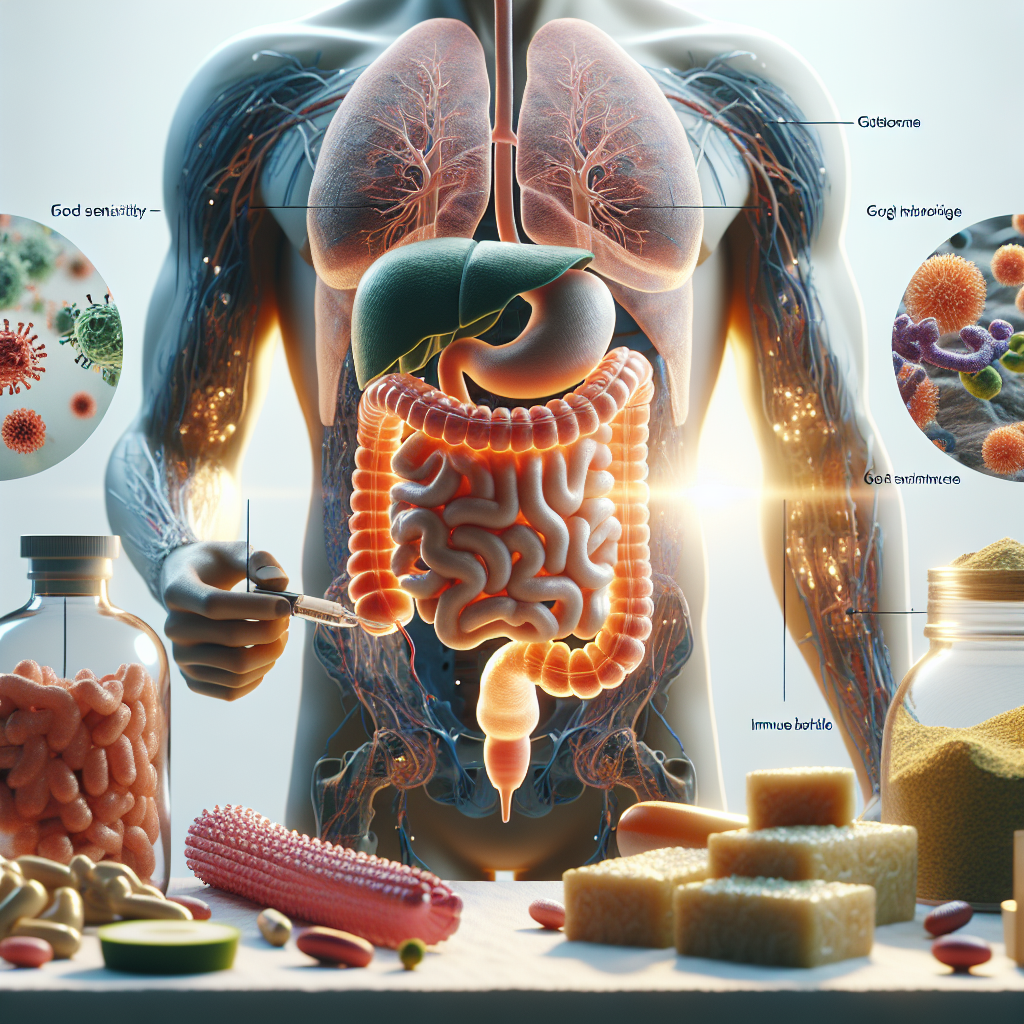
The gut barrier is not just a wall. It is a living interface made of mucus, epithelial cells, tight junction proteins, immune cells, digestive secretions, and microbes. Its job is selective filtering: nutrients should cross, while larger particles, microbial fragments, and irritants should be kept at the right distance from the immune system. When this filtering system is strained, the immune system encounters substances in a context that promotes reactivity rather than tolerance.
This is one reason food sensitivity discussions can become confusing. A person may react to dairy, eggs, wheat, or high-histamine foods one month, then tolerate some of them later. That pattern does not always mean the food itself changed. It may reflect fluctuations in barrier integrity, microbial activity, digestive capacity, and immune tone.
How the gut barrier shapes immune tolerance
Under healthy conditions, the intestinal lining helps train the immune system to remain calm around routine dietary exposures. Several mechanisms work together:
- Mucus layer: creates physical separation between gut contents and the epithelial surface.
- Tight junctions: protein complexes that regulate what moves between cells.
- Secretory IgA: helps bind microbes and food antigens at the mucosal surface.
- Short-chain fatty acids: especially butyrate, nourish colon cells and support anti-inflammatory signaling.
- Regulatory immune signaling: encourages tolerance instead of unnecessary alarm.
When this system is functioning well, the body is less likely to overreact to normal food exposure. When it is disrupted, larger incompletely digested compounds or microbial byproducts may interact more directly with the immune system. That can increase the likelihood of symptoms after eating, even if the meal is not inherently problematic.
What disrupts the gut barrier in daily life
Barrier issues rarely come from one cause. More often, they emerge from overlap: stress, poor sleep, infection history, ultra-processed diets, alcohol excess, certain medications, and microbial imbalance. This matters because many people search for a single offending food when the actual pattern is cumulative.
1. Chronic stress and nervous system load
The gut lining is highly responsive to stress signals. Cortisol shifts, altered motility, reduced digestive secretions, and changes in blood flow can all affect barrier resilience. Some people notice their “safe foods” become less safe during periods of emotional strain, travel, overtraining, or burnout. That does not mean the food suddenly became toxic; it may mean the gut environment became less stable.
2. Microbiome imbalance
The gut microbiome helps maintain mucus production, ferment fibers into beneficial short-chain fatty acids, and communicate with immune cells. When microbial diversity is reduced, or when opportunistic organisms become more dominant, barrier regulation can suffer. This is one reason broad dietary restriction without rebuilding microbial support can backfire over time.
3. Medication effects
Antibiotics, acid-suppressing drugs, and frequent use of certain pain relievers can alter the gut environment. These changes may affect digestion, microbial balance, and mucosal protection. Not everyone experiences symptoms, but in susceptible individuals this can change how foods are tolerated.
4. Low digestive capacity
Food sensitivity symptoms are not always immune-driven. Poor protein digestion, low stomach acid, reduced bile flow, or rapid eating can leave larger food fragments in circulation within the gut lumen. That increases the work the barrier must do. If barrier defenses are already stressed, symptoms can feel food-specific even when the deeper issue is inefficient digestion.
Why “elimination worked” does not always mean the food was the root cause
Elimination diets can be useful short term, but they are often overinterpreted. Removing a food may reduce symptom load because it lowers antigen exposure, fermentation burden, or histamine intake. That can provide relief. But symptom relief alone does not prove the food was the original driver.
A common mistake is assuming every reactive food deserves permanent removal. In some cases, the person is reacting to the context: impaired barrier function, disrupted microbiome signaling, or reduced digestive resilience. If the deeper terrain improves, tolerance sometimes improves too.
This is especially important in the gut microbiome category, where long-term restriction can reduce fiber variety and lower beneficial microbial diversity. If the response to symptoms is always “remove more foods,” the gut ecosystem may become narrower and less adaptable.
The gut barrier nutrient question: what actually supports the lining?
The focus nutrient here is the gut barrier itself, meaning support for the structures and functions that maintain mucosal integrity. This is not one single vitamin or one magic compound. It is a functional target.
Barrier support generally depends on adequate protein intake, key micronutrients, fermentable fibers, and a microbiome capable of producing protective metabolites. Certain compounds are especially relevant because they support enterocytes, mucus layers, or microbial balance.
L-glutamine and enterocyte fuel
L-glutamine is frequently discussed in gut barrier support because intestinal cells use it as a preferred fuel source under some conditions. It is not a cure-all, but it is mechanistically relevant. During stress, intense exercise, illness, or heavy physiological demand, glutamine needs may increase. This is one reason formulas designed for gut support often include it.
For readers looking at practical options, a formula such as a gut support powder with L-glutamine, probiotics, and prebiotic fiber fits the logic of multi-layer support better than chasing one ingredient in isolation.
Prebiotic fiber and short-chain fatty acids
Barrier health depends heavily on what gut microbes produce from fiber fermentation. Butyrate, acetate, and propionate help regulate inflammation, support epithelial metabolism, and reinforce mucosal function. This is why some people improve not from removing foods, but from gradually restoring tolerable fibers that feed the right microbes.
The pace matters. If someone with bloating or reactivity increases fermentable fiber too aggressively, symptoms may worsen before the ecosystem stabilizes. That does not automatically mean fiber is harmful; it may mean timing, dose, or microbial context is off.
Probiotics and microbial competition
Not all probiotics do the same thing, and not every person benefits the same way. Still, certain organisms may be useful in contexts involving post-antibiotic disruption, travel-related digestive instability, or inconsistent bowel function. In some cases, yeast-based probiotics are considered because they behave differently from bacterial strains and are more practical during travel or after disruption. An example is a Saccharomyces boulardii and L-glutamine formula for gut balance support.
That said, probiotics are not a substitute for dietary pattern, sleep, stress regulation, and symptom context. They are one tool, not the entire strategy.
How food sensitivity symptoms show up when the barrier is under strain
Food sensitivity is a broad and imperfect term. Symptoms can involve the gut, skin, energy, mood, or the upper airway. Common patterns include:
- Bloating or abdominal discomfort after previously tolerated meals
- Fluctuating stool changes without a clear infectious cause
- Brain fog or fatigue after eating mixed meals
- Skin flares that seem linked to dietary exposure
- Inconsistent reactions where the same food feels fine one day and problematic the next
That inconsistency is a clue. True reproducible allergy is different and requires medical evaluation. But when symptoms vary by stress level, sleep quality, menstrual cycle, alcohol intake, illness recovery, or travel, the gut barrier and microbiome context deserve attention.
Practical ways to reduce reactivity without over-restricting
The best approach is often not “find more foods to fear,” but “lower the total burden on the gut while rebuilding tolerance.”
Stabilize meal patterns
Eating in a rushed, distracted, or erratic pattern can worsen digestive inefficiency. More consistent meals, slower eating, and better chewing reduce the amount of partially processed food the gut must handle.
Use targeted rather than endless elimination
If symptoms are severe, short-term reduction of clearly problematic foods may help. But it should have a reintroduction plan. The goal is to learn whether tolerance changes as the gut environment improves.
Rebuild fiber strategically
People with suspected barrier issues often tolerate gentle soluble fibers better than abrupt increases in raw roughage. Progress should be gradual and symptom-led.
Look upstream at sleep and metabolic stress
Poor sleep can amplify gut symptoms through stress signaling, appetite dysregulation, and inflammatory tone. Readers trying to understand whether recovery patterns may be affecting their digestion can use this sleep score tool as a simple way to assess one often-overlooked contributor.
Know when symptoms are outside the “sensitivity” category
Persistent weight loss, blood in stool, severe pain, progressive symptoms, difficulty swallowing, or symptoms suggestive of allergy are not self-management situations. Those warrant medical assessment.
The bigger takeaway
In gut barrier issues and food sensitivity, the most important question is often not “Which food is bad?” but “Why is the barrier reacting as if routine food exposure is a threat?” That shift changes the strategy.
Instead of endlessly rotating diets and expanding food fear, a better framework is to assess barrier stressors, support digestion, improve microbial ecology, and restore immune tolerance where possible. Foods matter, but the terrain that receives them matters just as much.
When the gut barrier is more resilient, the same meal may produce a very different outcome. That is why the conversation has to move beyond food lists and toward mechanism.
Image prompts
- Prompt 1: medical illustration of intestinal tight junctions opening and closing, showing food particles and immune cells, clean white background
- Prompt 2: cross-section of gut lining with mucus layer, microbiome, epithelial cells, and short-chain fatty acid production, editorial health infographic style
- Prompt 3: person comparing symptom journal with meals, stress, and sleep patterns, natural light, realistic clinical lifestyle scene
- Prompt 4: functional medicine style infographic showing stress, microbiome imbalance, medications, and low digestive capacity affecting gut barrier integrity


