

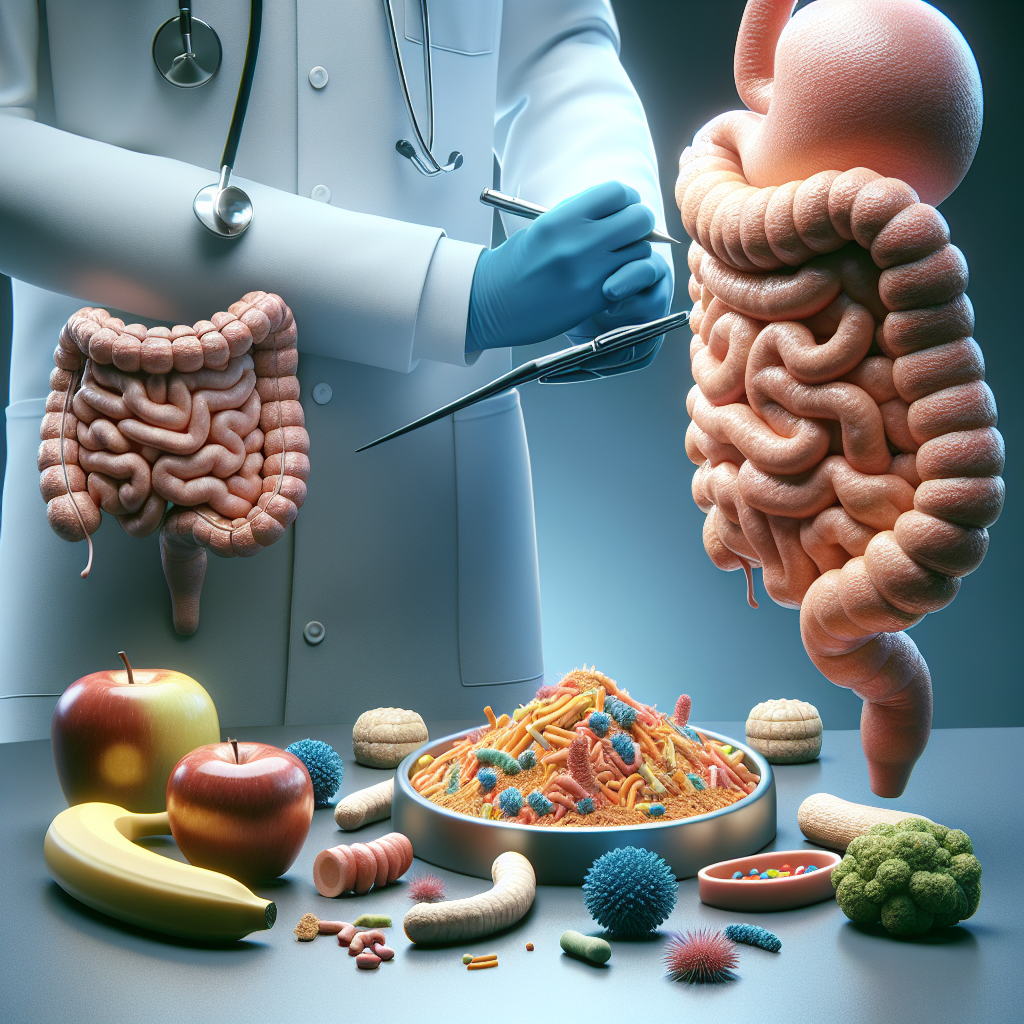
When “clean eating” makes your stomach feel worse
Bloating after healthy foods is not automatically a sign that those foods are bad for you. In many cases, it reflects a timing and tolerance problem inside the gut microbiome. Foods often labeled as healthy—beans, lentils, cruciferous vegetables, onions, garlic, kefir, yogurt, high-fiber smoothies, and prebiotic powders—can increase gas production when gut microbes ferment them faster than your digestive system can comfortably handle.
That does not mean the microbiome is failing. It often means the ecosystem is under-adapted, imbalanced, or overloaded. The result is a very common real-world scenario: someone improves their diet, adds more fiber and fermented foods, and then develops more pressure, visible distension, burping, or lower-abdominal discomfort.
This pattern is especially important in the Gut microbiome category because the symptom is not just about the food itself. It is about how microbes process that food, where fermentation happens, how quickly byproducts accumulate, and whether the gut moves gas efficiently.
The mechanism: healthy food, rapid fermentation, trapped gas
Many nutritious foods contain compounds that human enzymes do not fully digest. These include resistant starches, inulin, fructooligosaccharides, galactooligosaccharides, and various fermentable fibers. When these compounds reach the colon, microbes break them down and produce short-chain fatty acids—such as acetate, propionate, and butyrate—along with gases including hydrogen, methane, and carbon dioxide.
This is not inherently harmful. In fact, microbial fermentation is one of the main ways the microbiome supports gut lining health and metabolic signaling. The problem appears when one or more of the following are true:
- the dose of fermentable fiber increases too quickly
- the small intestine does not move contents efficiently
- the microbial community is skewed toward high gas production
- gas clearance is impaired by constipation or pelvic floor dysfunction
- the gut-brain axis is sensitized, making normal gas volumes feel excessive
So the issue is often not “fiber is bad.” It is fermentation exceeds tolerance.
Why the same healthy food helps one person and bloats another
1. Microbiome composition changes the outcome
Two people can eat the same chickpea salad and have completely different reactions. One reason is that their microbiomes are different. Some microbial communities are more efficient at gradually converting fibers into beneficial metabolites. Others generate gas rapidly or produce patterns associated with bloating and discomfort.
Microbiome diversity, prior diet, recent antibiotic exposure, stress, sleep disruption, and infection history can all influence this response. A person who has eaten very little fiber for months may react strongly to a sudden jump in “healthy” plant foods simply because the microbiome has not adapted yet.
2. Bloating may be a motility problem, not just a food problem
If the gut moves slowly, even beneficial foods can create symptoms. Delayed transit means fermentable material sits longer in the intestine, giving microbes more time to act on it. That can increase gas production and pressure. Constipation commonly amplifies this effect, especially with high-fiber foods introduced too aggressively.
3. Visceral sensitivity can make normal fermentation feel abnormal
Some people do not produce dramatically more gas than others, but they feel it more intensely. Stress, prior gastrointestinal illness, poor sleep, and chronic digestive symptoms can lower the threshold for discomfort. In these cases, the same amount of fermentation causes more bloating awareness, even if the underlying process is physiologically ordinary.
The common mistake: adding multiple “gut healthy” foods at once
One of the biggest protocol mistakes is stacking too many microbiome-supportive foods and supplements at the same time. A person may start overnight oats, chia seeds, a greens powder, a probiotic, kombucha, yogurt, and extra vegetables in the same week. Each choice looks healthy in isolation. Together, they can create a sudden fermentative load the gut is not ready for.
This is why bloating after healthy foods often starts during a wellness reset rather than during a period of poor eating. The microbiome usually responds better to progressive exposure than abrupt overload.
If you want to test tolerance, change one variable at a time. For example, increase legumes first, then assess symptoms for several days before adding a prebiotic supplement or fermented food.
Healthy foods that commonly trigger bloating for microbiome reasons
The most frequent triggers are not junk foods. They are often highly nutritious foods with strong fermentable potential:
- Beans and lentils: rich in galactooligosaccharides
- Onions and garlic: concentrated fructans
- Cruciferous vegetables: fiber plus sulfur compounds
- Apples and pears: fermentable carbohydrates, especially in sensitive people
- Protein bars and “healthy” snacks: chicory root, inulin, or sugar alcohols
- Smoothies: large fiber load delivered quickly
- Yogurt, kefir, kombucha: may be helpful for some, aggravating for others depending on lactose tolerance, histamine response, and product composition
Portion size matters. A small serving of lentils may be tolerated, while a large bowl causes distension. Preparation also matters. Soaking, rinsing, cooking thoroughly, and spacing fiber across the day can improve tolerance.
What the microbiome nutrient focus really means here
Your focus nutrient is microbiome, but unlike a vitamin or mineral, the microbiome is not a single substance. It is a living metabolic network. Supporting it is not just about taking probiotics. It is about matching microbial fuel, microbial strains, gut barrier support, and digestive capacity to the person in front of you.
For example, prebiotic fibers can be helpful because they feed beneficial bacteria and support short-chain fatty acid production. But if introduced too fast, they can worsen bloating before they improve adaptation. Similarly, probiotic blends may be useful for some people, but more is not always better. Strain type, timing, and the person’s baseline tolerance matter.
That is why “microbiome support” should be thought of as a dose-and-context strategy, not a blanket recommendation.
How to reduce bloating without abandoning healthy foods
Start with the fermentation load, not fear of food
If healthy foods are causing bloating, the goal is usually not permanent avoidance. It is to lower the fermentative burden enough that the gut can adapt. Practical steps include:
- reduce portion size of the most fermentable foods first
- avoid combining several high-fiber foods in one meal
- increase fiber gradually over 1–3 weeks instead of overnight
- prioritize chewing and slower meals to reduce swallowed air
- support regular bowel movements if constipation is present
- trial cooked vegetables before large raw salads
This approach preserves nutritional quality while lowering symptom intensity.
Be selective with supplements marketed for gut health
Some supplements are useful, but they should match the symptom pattern. A mixed formula containing probiotics, prebiotic fiber, and gut-supportive compounds may be a reasonable option when introduced slowly. For example, a microbiome support powder with probiotics and gentle prebiotic fiber may fit better than harsher fibers for someone who reacts to standard inulin-heavy products. The key is still to start low rather than assume a full serving will be well tolerated on day one.
For people who want a more concentrated approach without as much added fiber, a multi-strain probiotic formula may be easier to trial, especially if the main issue is sensitivity to fermentable powders. That said, any product can aggravate symptoms in some individuals, so tracking response matters more than label promises.
How to tell adaptation from a mismatch
A short period of mild bloating can happen when fiber intake rises. That can reflect adaptation. But there is a difference between temporary change and an ongoing mismatch.
Adaptation is more likely when:
- symptoms are mild
- they improve over 1–2 weeks
- bowel habits remain stable or improve
- the reaction depends mainly on portion size
A mismatch is more likely when:
- bloating is severe or progressively worsening
- there is marked pain, nausea, or early fullness
- constipation becomes more pronounced
- symptoms occur even with small amounts of fermentable food
- there is a major response to probiotics, prebiotics, or sugar alcohols
In that second group, the issue may involve motility, constipation, food intolerance, post-infectious changes, or small intestinal fermentation patterns rather than a simple need to “eat cleaner.”
A useful self-check: look at the pattern, not just the ingredient
One practical way to assess microbiome-related bloating is to track timing, dose, and combinations. Ask:
- Does bloating happen after large fiber loads or even small portions?
- Is it worse later in the day as meals accumulate?
- Does constipation make it worse?
- Did symptoms start after a sudden diet upgrade or a new supplement?
- Are raw foods harder to tolerate than cooked ones?
If excess weight or abdominal pressure is part of the broader picture, a basic screening tool such as the waist-to-height ratio tool can add context to overall metabolic and digestive risk patterns, even though it does not diagnose the cause of bloating.
When healthy-food bloating deserves medical attention
Educational content about the microbiome is useful, but persistent bloating should not be self-interpreted indefinitely. Medical review is warranted if bloating is accompanied by unintentional weight loss, anemia, rectal bleeding, vomiting, severe constipation, chronic diarrhea, fever, or new symptoms after midlife. These patterns need proper evaluation rather than microbiome experimentation.
Also remember that “healthy food intolerance” can be a symptom umbrella. Lactose intolerance, celiac disease, inflammatory bowel conditions, functional bowel disorders, and pelvic floor issues can all overlap with microbiome-related bloating.
The bottom line
Bloating after healthy foods is often a microbiome fermentation mismatch, not proof that nutritious foods are wrong for you. The most common problem is not the presence of fiber or probiotics, but the speed, dose, and context in which they are introduced. When microbes ferment beneficial compounds faster than your gut can manage the gas and byproducts, even a very healthy meal can feel like the wrong meal.
The solution is usually more precise than “cut out vegetables” and more realistic than “push through no matter what.” In most cases, the better strategy is to adjust the load, improve tolerance, and build microbiome resilience gradually.
Image keywords
- abdominal bloating after salad microbiome illustration
- gut fermentation mechanism healthy foods gas production diagram
- prebiotic fiber intolerance vs adaptation infographic
- woman with bloating after smoothie high fiber meal
- colon microbiome fermenting beans and vegetables medical graphic


