

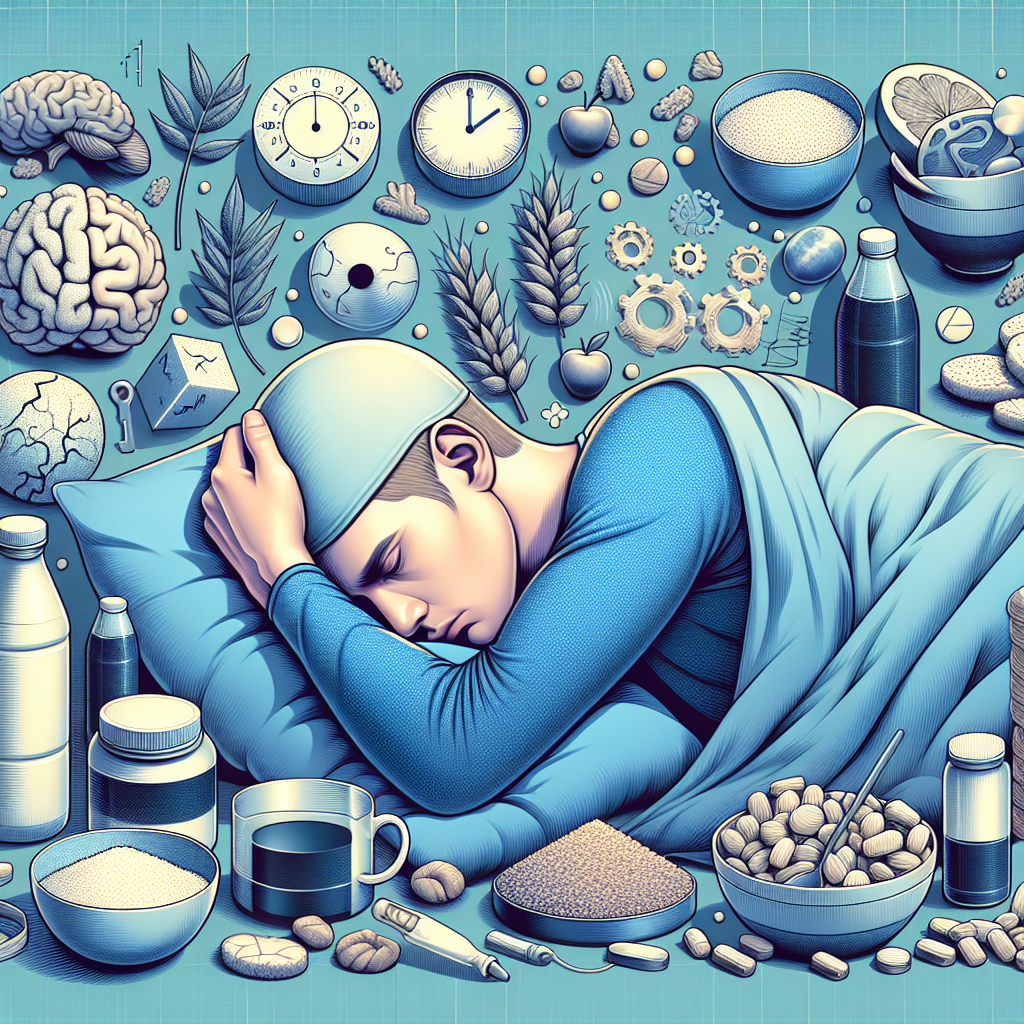
Sleep loss changes the same systems that nutrient deficiencies affect
When someone feels tired, foggy, irritable, cold, unmotivated, or unusually hungry, the first assumption is often a nutrient problem. Iron, B12, magnesium, vitamin D, and low protein intake usually enter the conversation quickly. But poor sleep can create a symptom pattern that looks strikingly similar. That overlap matters, because people may chase supplements while missing the more immediate driver: a disrupted sleep-wake rhythm, fragmented sleep, or simply too little total sleep.
This is not because sleep is a “nutrient.” It is because inadequate sleep reshapes the same biological systems that nutritional insufficiency can disturb: energy metabolism, neurotransmitter balance, glucose control, stress signaling, pain sensitivity, and cognitive performance. The result is symptom confusion.
Why the confusion happens
1. Poor sleep reduces cellular energy efficiency
After a short or broken night, many people describe a heavy, depleted feeling that resembles low iron or low B-vitamin status. Mechanistically, sleep restriction alters mitochondrial efficiency, increases inflammatory signaling, and raises the subjective cost of ordinary mental and physical tasks. You may not actually lack a nutrient, but your brain and body behave as if energy production has become less reliable.
This can show up as:
- morning exhaustion despite enough calories
- exercise intolerance
- slower reaction time
- difficulty concentrating
- a sense of “running on empty” by mid-afternoon
Because these symptoms overlap with classic deficiency patterns, self-diagnosis becomes unreliable when sleep quality is poor.
2. Sleep loss disrupts appetite hormones and creates “deficiency-like” cravings
Cravings are often interpreted as a sign that the body is missing something specific. In reality, short sleep can shift ghrelin and leptin signaling, increase reward-driven eating, and reduce impulse control around food. This creates intense cravings for quick-energy foods, especially sugar and refined carbohydrates.
People may interpret this as low magnesium, low chromium, or “my body needs something.” Sometimes that is true. But often the more immediate mechanism is sleep debt increasing appetite, not a proven nutrient gap.
That is why the combination of poor sleep, strong cravings, and unstable daytime energy should be assessed as a pattern rather than reduced to one supplement theory.
3. Neurotransmitter disruption can mimic low nutrient status
Sleep helps regulate serotonin, dopamine, GABA, and the nightly rise of melatonin. When sleep timing is inconsistent or sleep is repeatedly interrupted, mood and cognition can shift fast. People may feel flat, anxious, overstimulated, or mentally scattered.
These changes are often blamed on low magnesium, low B6, low folate, or inadequate amino acid intake. Again, overlap exists. But sleep itself is upstream of how these signaling networks function. Even with a solid diet, poor sleep can produce low-resilience brain function that feels like a deficiency problem.
One practical takeaway: if symptoms fluctuate sharply after a few bad nights, sleep is likely contributing more than people realize.
Symptoms most commonly confused with nutrient deficiency
Fatigue that feels “deeper” than ordinary tiredness
Deficiency-related fatigue often develops gradually. Sleep-related fatigue can appear suddenly after schedule changes, caregiving stress, travel, alcohol use, screen-heavy evenings, or nighttime awakenings. The key distinction is not always symptom severity, but timing. If the fatigue noticeably tracks sleep quality, that pattern is clinically meaningful.
Brain fog and poor memory
Short sleep impairs attention, working memory, verbal recall, and processing speed. This can resemble low B12, low iron, or inadequate omega-3 intake. The difference is that sleep-related cognitive changes often improve quickly when sleep consistency improves, whereas deficiency-related changes may persist until the underlying issue is corrected.
Low mood and low motivation
Poor sleep increases emotional reactivity and reduces stress tolerance. Many people then assume they need a mood-support nutrient stack. Nutrients can matter, but if irritability and low motivation worsen after late nights, repeated waking, or an irregular bedtime, sleep disruption is a plausible mechanism.
Muscle tension, headaches, and higher pain sensitivity
Sleep deprivation lowers pain thresholds and may increase muscle tightness, jaw clenching, and tension headaches. That can be mistaken for low magnesium or generalized “depletion.” In some cases both factors coexist, but poor sleep alone can amplify physical discomfort enough to create that impression.
The biology behind the mix-up
Cortisol rhythm gets distorted
Healthy sleep supports a normal cortisol curve: lower at night, rising toward morning. Inadequate or fragmented sleep can flatten or dysregulate this rhythm. That can leave you wired at the wrong time, groggy after waking, and craving stimulation or fast energy during the day. This often gets mislabeled as adrenal weakness, low mineral status, or “burnout,” when the nearer explanation is circadian disruption.
Blood sugar control becomes less stable
Even short-term sleep restriction can reduce insulin sensitivity and worsen glucose variability. That means shakiness, urgent hunger, afternoon crashes, and a greater desire for caffeine or sweets. These symptoms can be misread as nutrient insufficiency when they are partly a sleep-metabolism issue.
Inflammation and oxidative stress increase
Poor sleep tends to raise inflammatory signaling and impair overnight repair processes. This contributes to heaviness, soreness, low recovery, and a generally “inflamed” feeling. Nutrients are involved in recovery biology, but sleep is one of the main conditions that allows repair to happen in the first place.
When supplements may help—and when they distract from the real issue
Some people do benefit from targeted products as part of a broader sleep routine, especially when stress, mental overactivity, or difficulty winding down is part of the pattern. But supplements should not be used to override a chronically misaligned schedule, excess evening light exposure, alcohol-related sleep fragmentation, or untreated snoring.
For example, a formula that combines calming and mood-supportive compounds may fit a bedtime routine for people whose sleep is affected by stress-related mental activation, such as a calming sleep support supplement. Likewise, environmental cues matter. Some people find that a consistent pre-sleep sensory ritual helps the brain transition out of alert mode, and products like an aromatherapy sleep room spray can be used as part of that cueing process.
The important distinction: supportive products work best when they reinforce sleep behavior, not when they are expected to compensate for its absence.
How to tell whether sleep is the more likely driver
Look for pattern clues
- Symptoms worsen after late nights or broken sleep
- You feel temporarily better after sleeping in or taking a recovery nap
- Cravings rise after poor sleep, especially for sugar or caffeine
- Brain fog is worst in the morning or mid-afternoon
- Mood changes track sleep more than food intake
- You rely on stimulants to feel normal
If several of these are true, sleep disruption may be driving symptoms that look nutritional on the surface.
Track before you guess
Instead of assuming deficiency, track bedtime, wake time, awakenings, alcohol, late meals, caffeine timing, screens, and next-day symptoms for 1 to 2 weeks. A simple structured tool can make this easier. The sleep score tool can help identify whether your symptoms line up with poor sleep quality rather than a hidden deficiency narrative.
Real-world reasons sleep gets mistaken for deficiency
High achievers normalize sleep debt
People who function under stress often assume tiredness is normal until symptoms become disruptive. They may continue exercising hard, under-eating, overusing caffeine, and adding supplements, while the primary issue remains chronic under-recovery.
Parents, shift workers, and peri-menopausal women often have overlapping symptoms
These groups may experience real nutritional needs and sleep disruption at the same time. That makes simplistic explanations especially unhelpful. A mixed picture requires pattern recognition, not one-cause thinking.
Wellness culture encourages “stacking” before troubleshooting
Many people buy multiple products for energy, mood, immunity, and sleep without first asking whether a basic sleep deficit is distorting everything else. This can create a cycle of overcomplication.
What to do first if you suspect the problem is sleep
Stabilize timing before changing everything else
Keep wake time consistent for at least 7 to 10 days. This is often more powerful than chasing the perfect bedtime.
Reduce the two most common sleep disruptors
For many adults, the biggest correctable issues are late caffeine and evening light exposure. Both can delay melatonin timing and make sleep feel lighter and less restorative.
Support the transition into sleep, not just sleep duration
If your brain stays alert at night, focus on a predictable wind-down period: dim lights, reduce stimulating content, and create repeated sensory cues that signal safety and shutdown.
Do not ignore persistent deficiency concerns
Sleep can mimic deficiency, but true nutrient deficiencies also exist. If symptoms are ongoing, severe, or accompanied by red flags such as unexplained weight change, shortness of breath, heavy bleeding, numbness, or significant hair loss, medical evaluation is appropriate.
The key clinical idea
Poor sleep does not just make you tired. It can temporarily reproduce the functional experience of being nutritionally depleted: low energy, unstable appetite, poor concentration, reduced resilience, and slower recovery. That is why symptom overlap is so common.
The most useful question is not, “Which supplement matches my symptoms?” It is, “What pattern is creating these symptoms?” In many cases, better sleep quality clarifies the picture. Once sleep improves, it becomes much easier to tell whether a true nutrient issue still needs attention.


