

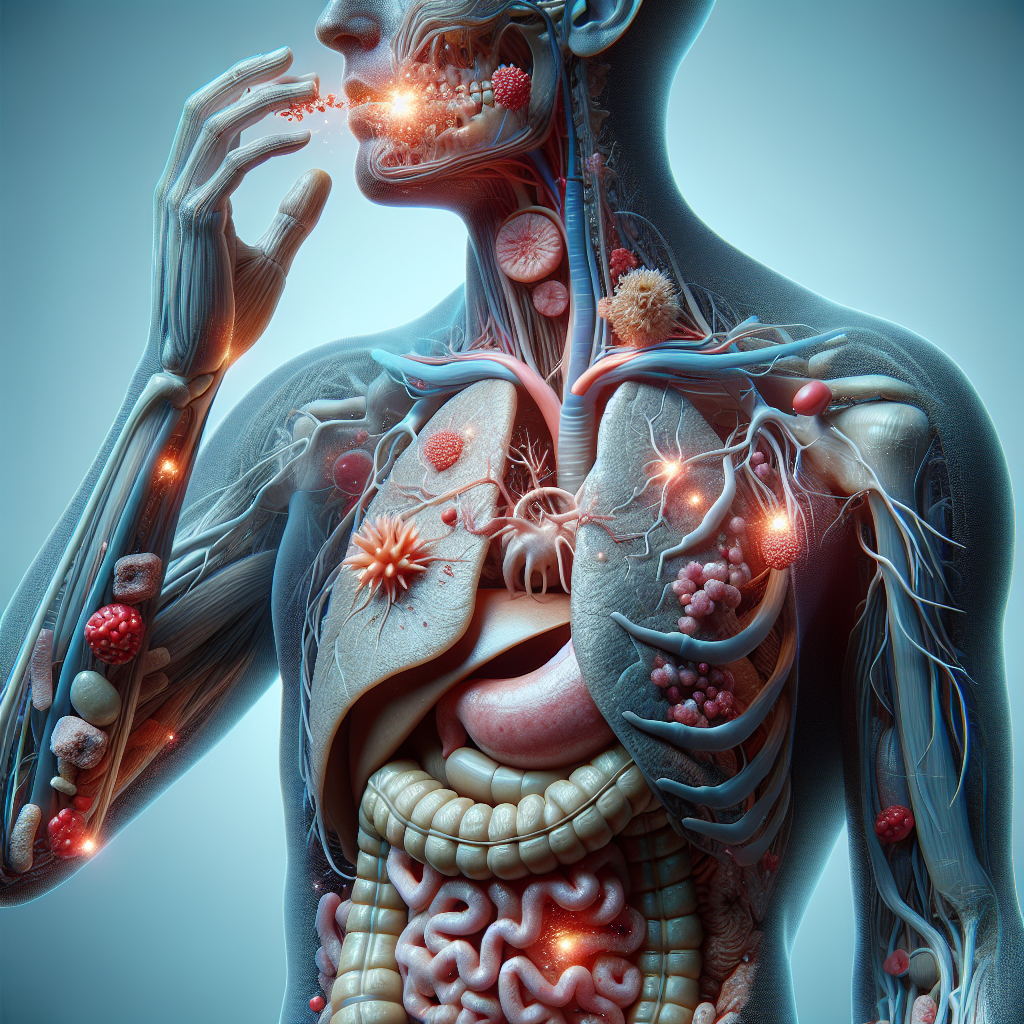
When symptoms persist, the problem may not be what you consume
People often assume that fatigue, brittle nails, bloating, muscle cramps, poor concentration, or unexplained weakness mean they need more nutrients. In many cases, the deeper issue is not low intake but poor absorption. That distinction matters. A person can eat well, take supplements consistently, and still develop symptoms that resemble deficiency because the digestive system is not breaking down, transporting, or assimilating nutrients efficiently.
This is one of the most overlooked root causes in clinical nutrition. Absorption is not a single event. It is a chain of processes involving stomach acid, digestive enzymes, bile flow, pancreatic secretions, an intact intestinal lining, balanced gut microbiota, and adequate transit time. When one link weakens, symptoms can appear far from the gut itself.
Why poor absorption creates symptoms that are easy to misread
The body depends on the small intestine to absorb amino acids, fatty acids, vitamins, minerals, and trace elements. Before that can happen, food has to be chemically dismantled. Protein requires acid and proteases. Fat requires bile and lipase. Carbohydrates require amylase and brush-border enzymes. Minerals often depend on an acidic environment and transporter proteins. Fat-soluble vitamins need micelle formation and healthy bile delivery.
If digestion is incomplete, the body receives less usable material even when food intake looks adequate on paper. This can create a confusing pattern: normal calorie intake, regular supplementation, yet ongoing symptoms associated with undernourishment or selective deficiency.
Common symptoms linked to poor absorption include:
- Persistent bloating after meals
- Loose stools, greasy stools, or undigested food in stool
- Fatigue despite adequate eating
- Hair thinning or brittle nails
- Muscle cramps or twitching
- Brain fog or reduced focus
- Frequent hunger shortly after eating
- Unintentional weight loss or difficulty maintaining weight
- Skin dryness or poor wound healing
These symptoms are nonspecific, which is why poor absorption is often missed. They may be attributed to stress, aging, poor sleep, or a vague “vitamin deficiency” without asking why the nutrients are not reaching tissues effectively.
The mechanism: where absorption commonly breaks down
1. Low stomach acid
Stomach acid is not just for preventing reflux symptoms from being discussed in oversimplified ways. Its primary role is to begin protein digestion, activate pepsin, and help liberate minerals such as iron, calcium, magnesium, and zinc from food. Low acid can impair the early steps of digestion, leaving larger food particles to move downstream insufficiently processed.
This can contribute to fullness after meals, burping, bloating, and reduced tolerance for protein-rich foods. Over time, it may also reduce the efficiency of nutrient release and uptake.
2. Inadequate digestive enzymes
The pancreas produces enzymes that digest fats, proteins, and carbohydrates. Enzyme insufficiency can leave food partially broken down, increasing fermentation in the gut and reducing nutrient availability. Fat maldigestion is especially important because it can interfere with absorption of vitamins A, D, E, and K.
In practice, this can look like bloating after heavier meals, stool changes, post-meal fatigue, and a sense that dense meals “just sit there.” For some individuals, targeted support such as a digestive enzyme formula for harder-to-digest meals may be a practical discussion point with a qualified clinician, particularly when symptoms are meal-related.
3. Poor bile flow
Bile is essential for emulsifying fats so they can be absorbed. Without proper bile release, fat digestion becomes less efficient and fat-soluble nutrient uptake suffers. This is one reason symptoms related to absorption can affect skin, energy, hormone signaling, and stool quality at the same time.
People sometimes focus only on the nutrient itself, such as vitamin D, while overlooking the need for proper fat handling in the digestive tract. If absorption is compromised, taking more may not fully solve the problem.
4. Intestinal inflammation or barrier disruption
The small intestine is lined with villi and microvilli that increase surface area for absorption. Inflammatory irritation, infections, food-triggered immune reactions, or chronic gut stress can blunt this surface. When that happens, nutrients have less contact area for transport into circulation.
This mechanism is especially relevant when digestive symptoms appear alongside fatigue, skin changes, or inconsistent reactions to foods that were previously tolerated.
5. Gut microbiome imbalance
The microbiome does not directly absorb all nutrients, but it influences intestinal integrity, fermentation patterns, short-chain fatty acid production, motility, and inflammatory signaling. A disrupted microbial environment can contribute to bloating, altered bowel habits, and an intestinal environment that is less favorable for nutrient assimilation.
For some individuals, especially after antibiotics or prolonged digestive disturbance, a clinician may consider microbiome support. An example of a relevant option is a multi-strain probiotic for microbiome balance, though product choice should follow symptom pattern and tolerance rather than trends.
Why “deficiency symptoms” can appear even with normal eating
Absorption problems often create functional deficiency. This means intake may be acceptable, but delivery to tissues is inadequate. The result is a mismatch between what is consumed and what the body can use.
For example:
- Iron-related symptoms may persist if stomach acid is low or intestinal inflammation is present.
- Fat-soluble vitamin issues may continue if bile flow or fat digestion is impaired.
- Protein-related symptoms such as poor recovery or muscle loss may appear if protein breakdown is incomplete.
- Mineral-related symptoms including cramps, low energy, or poor stress tolerance may worsen if digestive conditions reduce uptake.
This is why escalating supplement doses without investigating digestion can become a cycle of trial and error. The question is not only “What are you taking?” but also “What are you actually absorbing?”
Real-world clues that point toward absorption, not just intake
Several patterns raise suspicion for absorption issues:
- Symptoms worsen after meals rather than improve
- You feel excessively full from normal portions
- Fatty meals trigger bloating, nausea, or loose stools
- Supplements seem to “do nothing” despite consistent use
- Symptoms improve temporarily with very simple foods
- You have a history of long-term antacid use, gallbladder issues, gut infections, or repeated antibiotics
These clues do not diagnose a condition, but they help reframe the problem. The hidden root cause may sit in digestive physiology rather than in motivation, willpower, or nutrient intake alone.
The absorption mistake many people make with vitamin-focused testing
One common error is relying on a supplement protocol without considering whether the digestive environment supports uptake. This is especially relevant with nutrients that depend on fat digestion or conversion steps. If you are trying to make sense of intake and lab context around vitamin D specifically, this vitamin D helper can provide a useful starting framework. It should not replace medical evaluation, but it may help connect intake questions with the bigger issue of utilization.
The same principle extends beyond vitamin D. Poor absorption can make a well-designed nutrition plan appear ineffective, leading people to assume they need stronger products when they may actually need a more targeted digestive workup.
What to assess before assuming you need more supplements
Meal pattern and symptom timing
Symptoms immediately after eating often point toward breakdown and digestive capacity. Symptoms several hours later may suggest fermentation, motility issues, or food-triggered intolerance patterns.
Stool changes
Greasy, floating, pale, or unusually foul-smelling stool can suggest fat maldigestion. Visible undigested food may indicate rapid transit or incomplete breakdown. These are practical clues clinicians often take seriously.
Medication history
Acid-lowering medications, repeated antibiotics, and some metabolic drugs can alter digestive conditions that influence absorption. The issue is not that medications are inherently wrong, but that downstream nutritional effects are often underappreciated.
Diet quality versus tolerance
A highly nutritious diet is not always a well-tolerated diet. Raw vegetables, legumes, large salads, and high-fiber meals may be difficult for some people during periods of impaired digestion. In those cases, symptom burden may reflect digestive mismatch rather than poor food choices.
Practical strategies that support absorption without oversimplifying the issue
Slow down at meals. Digestive signaling starts before the first bite. Rushed eating reduces cephalic phase responses that help prepare acid, bile, and enzyme release.
Match meal size to capacity. Large meals can overwhelm impaired digestion. Smaller, balanced meals are sometimes better tolerated while root causes are being explored.
Notice which macronutrient triggers symptoms. Protein heaviness, fatty-food intolerance, or carbohydrate-driven bloating can reveal where the breakdown problem is most prominent.
Avoid treating all bloating as a probiotic issue. Bloating can result from low acid, poor enzyme output, bile insufficiency, dysbiosis, or altered motility. The mechanism matters.
Get evaluated when symptoms persist. Ongoing fatigue, unexplained weight change, chronic stool changes, or signs of deficiency deserve proper medical assessment. Poor absorption can overlap with conditions that require formal diagnosis and treatment.
The hidden root cause framework that changes the conversation
When symptoms are caused by poor absorption, the body is not necessarily asking for more input. It may be asking for better processing. That shift in perspective is clinically important. Instead of repeatedly changing diets or stacking supplements, it becomes more useful to investigate stomach acid, pancreatic function, bile flow, intestinal integrity, microbiome balance, inflammation, and medication effects.
In other words, symptoms that look like deficiency may actually be signs of a delivery problem. Once absorption becomes the focus, confusing patterns often make more sense: the person who eats well but remains tired, the patient whose supplements never seem to work, or the healthy eater who reacts poorly to nutrient-dense meals.
That is why poor absorption belongs in any serious discussion of hidden root causes. Until digestion and uptake are considered, symptom management can stay superficial even when intentions are excellent.


