

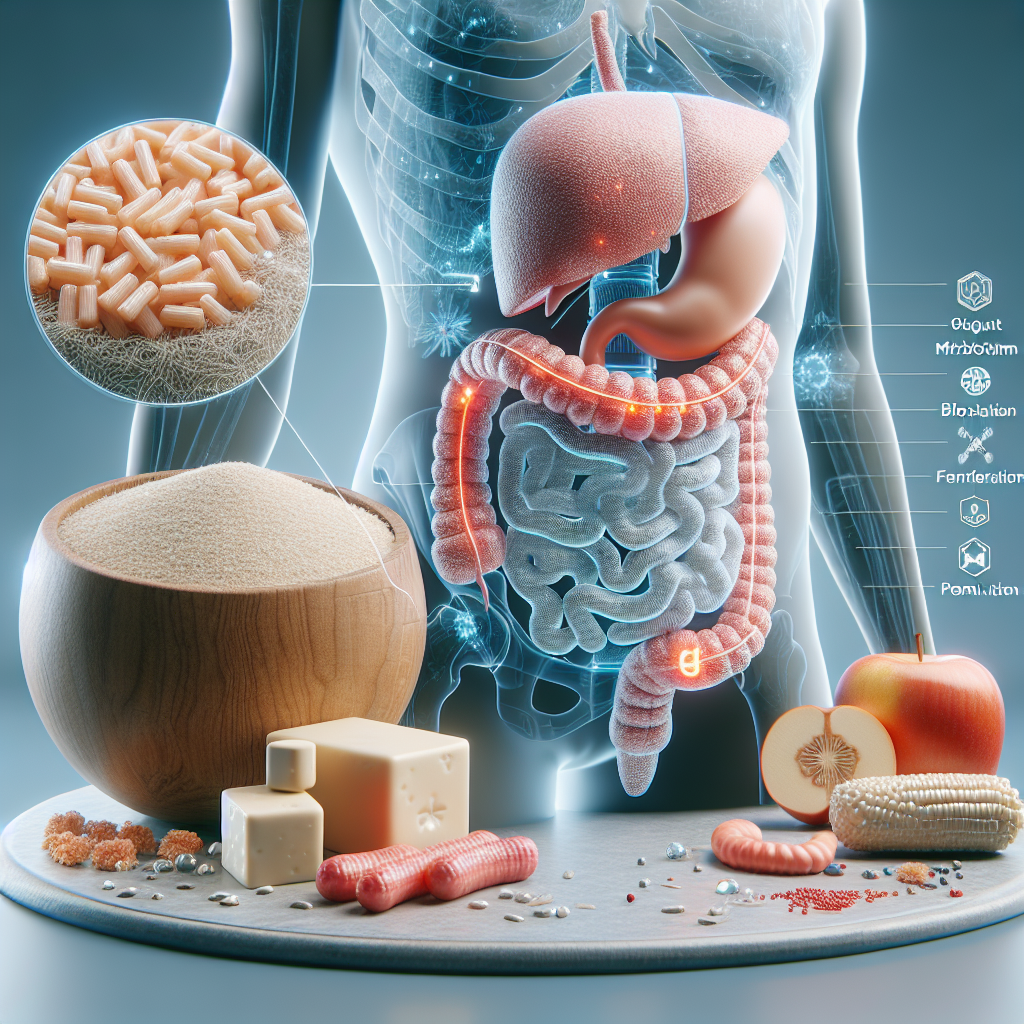
Bloating after healthy foods is often a timing problem inside the gut, not proof that the food is bad
If lentils, yogurt, salad, oats, apples, or green smoothies leave you looking and feeling swollen, the usual advice to simply “eat cleaner” misses the mechanism. In many cases, bloating happens when foods that are normally beneficial meet a gut environment that is not ready to process them efficiently. The issue is often a microbiome fermentation mismatch: bacteria ferment certain fibers and carbohydrates faster, higher up, or less predictably than they should.
This is why one person feels great after beans and kefir while another gets pressure, gas, and abdominal distension within an hour. The difference is not just the food. It is how the microbiome, digestive secretions, motility, and intestinal sensitivity interact with that food on that particular day.
Why “healthy” foods are common bloating triggers
Many foods labeled healthy are rich in compounds that feed gut microbes. That is usually a good thing. But feeding the microbiome is not always symptom-free, especially during transitions.
- Legumes contain fermentable carbohydrates that bacteria readily use.
- Cruciferous vegetables add sulfur compounds and fibers that can increase gas production.
- Oats, chia, flax, and bran raise fiber load quickly.
- Apples, pears, onions, garlic, and asparagus contain fermentable carbs that can increase luminal gas.
- Yogurt, kefir, and fermented foods may help some people but aggravate symptoms in others if histamine sensitivity, lactose maldigestion, or microbial imbalance is present.
These foods are not inherently problematic. The problem is often that the gut ecosystem, intestinal transit, and digestive capacity are out of sync with the amount or type of substrate arriving in the intestine.
The mechanism: how the microbiome turns good food into gas and pressure
1. Fermentation is normal, but location matters
Gut microbes break down fibers and resistant carbohydrates that your own enzymes cannot digest. This fermentation produces gases such as hydrogen, methane, and carbon dioxide, along with short-chain fatty acids like butyrate, acetate, and propionate. Those short-chain fatty acids are generally beneficial for colon health.
But when fermentation is excessive, happens too rapidly, or occurs in the wrong place, symptoms appear. If fermentable material lingers in the small intestine or reaches the colon in large amounts all at once, you may notice bloating, visible distension, pressure, belching, or altered bowel habits.
2. A disrupted microbiome can overreact to a sudden fiber upgrade
People often shift from a low-fiber, highly processed pattern to a “healthy” plan full of raw vegetables, pulses, smoothies, and probiotic foods. The intention is good, but the gut may not adapt instantly. Different microbes specialize in different substrates. If your microbial community has been shaped by a low-diversity diet, a rapid increase in prebiotic fibers can temporarily amplify gas production before tolerance improves.
This does not mean fiber is harmful. It means the microbiome often needs dose, diversity, and time rather than abrupt loading.
3. Motility changes can make healthy foods feel worse
Even nutritious foods can cause symptoms if intestinal movement is sluggish. When transit slows, fermentable material stays in the gut longer, giving microbes more time to produce gas. Stress, poor sleep, a sedentary routine, dehydration, and some medications can all alter motility. In that situation, a bowl of chickpeas or a large salad may feel much heavier than expected.
4. Visceral sensitivity changes symptom intensity
Two people can produce similar amounts of gas, but one feels severe discomfort and the other barely notices. That is partly because the gut-brain axis affects how strongly the intestine perceives stretching and pressure. After periods of gut irritation, infection, chronic stress, or irregular eating, sensitivity may increase. The result is that even normal fermentation feels excessive.
The healthy-food mistakes that commonly drive bloating
Mistake 1: Adding too much fiber too fast
A dramatic jump from 10 grams of fiber a day to 30 or 40 grams can overwhelm adaptation. Smoothies with greens, seeds, oats, nut butter, and fruit may look metabolically impressive but can deliver a heavy fermentable load in one sitting.
Practical insight: increase fiber gradually over 1 to 2 weeks, not overnight. Cooked vegetables are often better tolerated than large raw salads at first.
Mistake 2: Assuming all bloating means you need more probiotics
Probiotics are not universally soothing in the short term. Some people do well; others notice more gas initially, especially if they start high doses without adjusting the rest of the diet. Product choice, strain profile, dose, and the presence of prebiotic fibers all matter.
Practical insight: if you are experimenting with microbiome support, change one variable at a time. Pairing a lower-bloating approach to fiber with a gentler formula is usually more informative than taking multiple gut products at once. For some adults, a mixed fiber-and-probiotic option such as a gentle gut support powder with prebiotic fiber and probiotics may fit better when introduced slowly rather than full-dose on day one.
Mistake 3: Confusing volume with digestibility
Healthy meals are often bulky. Giant salads, raw vegetable platters, and blended drinks can increase swallowed air, gastric stretching, and intestinal load. The gut responds not just to ingredients but also to meal size, texture, and eating speed.
Practical insight: a smaller bowl of cooked vegetables may produce fewer symptoms than a large raw salad, even if both are “healthy.”
Mistake 4: Ignoring carbohydrate type
Not all carbohydrates behave the same. Some are rapidly absorbed, while others are slowly digested or fermented. Foods high in fermentable carbohydrates can be nutritious yet symptom-provoking in sensitive people. Onions, garlic, apples, beans, and some dairy foods are common examples.
Practical insight: if bloating seems tightly linked to a few healthy foods, the pattern may reflect carbohydrate fermentation rather than a broad intolerance to all healthy eating.
Mistake 5: Expecting fermented foods to work the same for everyone
Kimchi, sauerkraut, kombucha, kefir, and yogurt are often recommended for gut health. Yet fermented foods contain biologically active compounds and may not suit everyone at every stage. Some people tolerate live cultures well but react to the fermentation byproducts, while others struggle with lactose or total food volume.
How to tell whether the microbiome is part of the problem
Microbiome-related bloating tends to show a pattern. You may notice symptoms:
- after fiber-rich meals rather than fatty meals alone
- after foods considered healthy rather than obviously indulgent foods
- later in the day as fermentation accumulates
- alongside changes in stool frequency, stool form, or incomplete evacuation
- during periods of stress, travel, post-antibiotic recovery, or major dietary change
That pattern does not diagnose anything by itself, but it does suggest the issue is not simply a lack of discipline or “eating too much junk.” The microbiome, motility, and gut sensitivity may all be involved.
A smarter way to reduce bloating without abandoning nutritious foods
Start with sequencing, not restriction
Many people improve when they stop stacking multiple fermentable foods in one meal. For example, instead of beans plus onions plus apples plus yogurt in the same day, begin by spacing them out and watching symptom patterns. This gives the gut a more manageable fermentation load.
Use texture strategically
Cooked carrots, zucchini, squash, potatoes, rice, oats, and peeled fruit are often easier during a symptom-prone phase than large raw salads or concentrated fiber blends. Once symptoms calm, food diversity can expand again.
Support regularity
Bloating often worsens when stool sits in the bowel longer. Consistent meals, hydration, walking, and attention to bowel regularity can matter as much as food selection. If symptoms tend to overlap with constipation, tools that clarify metabolic context may be helpful; for example, this insulin resistance calculator can be a useful educational starting point because glucose regulation, motility, and abdominal symptoms often overlap in real life.
Trial microbiome support carefully
If you want to test a microbiome-focused supplement, avoid the “more is better” mindset. Start low, track symptoms, and give the gut time to respond. A synbiotic approach such as a targeted synbiotic with probiotics and prebiotic fiber may be worth considering for adults who want a structured option, but it should be introduced thoughtfully and not used to mask ongoing severe symptoms.
When bloating after healthy foods deserves more attention
Not every case is a simple adaptation issue. Persistent or escalating bloating can overlap with constipation, food intolerances, altered gastric emptying, pelvic floor dysfunction, post-infectious changes, or other gastrointestinal conditions. Seek medical evaluation if bloating is associated with:
- unintended weight loss
- vomiting
- blood in stool
- progressive pain
- persistent diarrhea
- new symptoms after midlife
- significant fatigue or nutritional compromise
Educational articles can explain patterns, but they do not replace diagnosis.
The bottom line
Bloating after healthy foods does not automatically mean those foods are wrong for you. More often, it reflects a mismatch between food choices and current gut function. The microbiome may be fermenting fibers efficiently in theory but uncomfortably in practice because of dose, timing, transit, or sensitivity issues.
The goal is not to fear beans, greens, yogurt, or fiber. It is to understand why beneficial foods can become symptom triggers in a gut that is still adapting. When you adjust pace, meal composition, and microbiome support more strategically, many healthy foods become tolerable again.
Image prompts
- Cross-sectional medical illustration of gut bloating after high-fiber healthy foods, showing fermentation gases and microbiome activity in the intestines
- Healthy meal with beans, salad, yogurt, oats, and fruit beside a diagram explaining fermentation mismatch and abdominal distension
- Digestive health infographic comparing normal colonic fermentation versus excessive gas production after sudden fiber increase
- Clinical lifestyle scene of adult with abdominal bloating after a smoothie bowl, with overlay labels for fiber load, motility, and microbiome imbalance
- Educational gut microbiome visualization with beneficial bacteria fermenting prebiotic fibers into short-chain fatty acids and gas


