

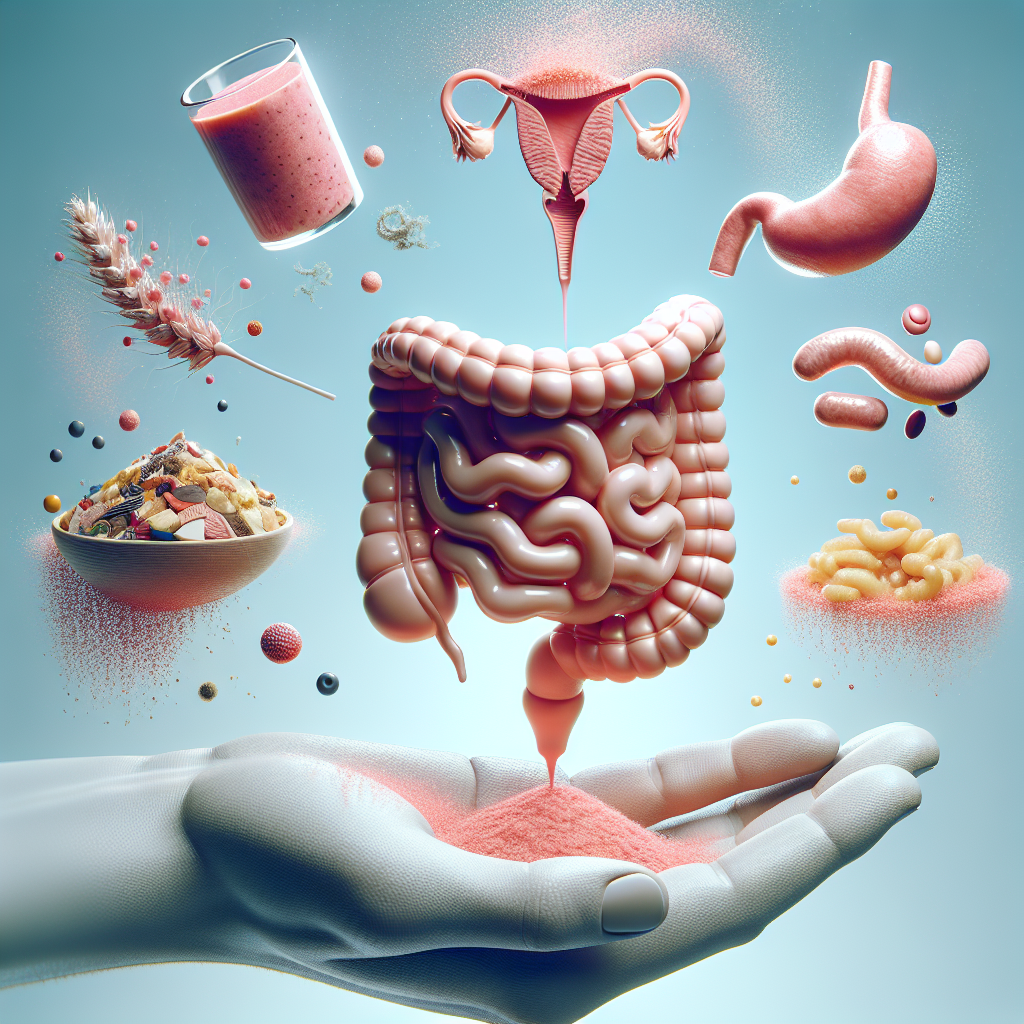
Food reactions are often a barrier problem before they are a food problem
Many people assume that bloating, brain fog, skin flares, fatigue, or post-meal discomfort automatically mean a specific food is “bad.” In practice, the more useful question is often different: what made the gut lining more reactive in the first place? In the context of gut microbiome health, food sensitivity is frequently shaped by the condition of the gut barrier—the thin but highly active interface between the contents of the intestine and the immune system that sits just beneath it.
The gut barrier is not a solid wall. It is a living system made of mucus, epithelial cells, tight junction proteins, immune cells, microbial metabolites, digestive secretions, and a balanced community of bacteria and yeast. When that system is functioning well, it helps the body distinguish between nutrients that should be absorbed, microbes that should stay in the gut, and signals that should not trigger unnecessary immune activation. When it is strained, the same meal that was previously tolerated may begin to provoke symptoms.
What the gut barrier actually does
The small intestine has one difficult job: absorb useful compounds while limiting contact with substances that should not cross into circulation in large amounts. To do this, the gut relies on several layers of protection.
- Mucus layer: helps reduce direct contact between microbes and intestinal cells.
- Epithelial cells: form the physical lining of the intestine.
- Tight junctions: protein structures that regulate what passes between cells.
- Secretory immune defenses: including immune signaling that helps the body respond proportionately.
- Microbial metabolites: compounds such as short-chain fatty acids that nourish barrier cells and support normal regulation.
Barrier function is dynamic. It changes with stress, alcohol intake, medication use, infections, sleep quality, ultra-processed diets, low fiber intake, intense exercise, and shifts in the microbiome. This is why food sensitivity symptoms are often inconsistent. A person may tolerate eggs, dairy, wheat, or high-FODMAP foods on one week and react the next—not because the food changed, but because the barrier environment did.
The mechanism: how a stressed gut barrier can amplify food sensitivity
When barrier integrity is reduced, the immune system may be exposed to a greater load of incompletely digested food components, microbial fragments, and inflammatory signals. That does not automatically mean disease, and it does not prove a formal allergy. But it can help explain why symptoms become louder and more widespread.
Several mechanisms are relevant:
1. Tight junction regulation becomes less stable
The spaces between intestinal cells are regulated, not permanently sealed. Stress hormones, infections, alcohol, inflammatory signaling, and some dietary patterns can alter how these junctions behave. If permeability increases beyond what is appropriate, immune surveillance under the lining may become more reactive to ordinary exposures.
2. The microbiome stops feeding the barrier properly
Fiber fermentation by beneficial microbes produces short-chain fatty acids, especially butyrate, which support intestinal cells and mucus dynamics. A low-diversity, low-fiber pattern can reduce this support. In other words, a disrupted microbiome does not just affect digestion; it can affect the physical resilience of the gut lining itself.
3. Digestion upstream is incomplete
Rapid eating, chronic stress, low stomach acid states, or poor digestive coordination can leave larger food particles in contact with the small intestine. That does not automatically create sensitivity, but in a vulnerable gut environment it may increase the chance of immune irritation and symptom generation.
4. Immune signaling becomes easier to trigger
A stressed barrier can shift the threshold at which the gut-associated immune system responds. This helps explain why people often report a “bucket effect”: they tolerate a food until stress, travel, antibiotics, poor sleep, or alcohol lower their resilience.
The common mistake: removing more foods while ignoring barrier drivers
One of the biggest protocol mistakes is assuming that every symptom requires a longer avoid-food list. Short-term elimination can be useful in selected cases, but endless restriction often misses the actual pattern. If the barrier is being repeatedly challenged by sleep loss, NSAID use, low fiber intake, excess alcohol, recurring GI infections, or chronic stress, removing tomatoes or eggs may offer only temporary relief.
This matters clinically because people can become trapped in a cycle of progressive restriction. They start by cutting one trigger, then many, and eventually interpret any reaction as proof that more foods are the problem. In reality, the more strategic approach is to ask why tolerance narrowed.
For some people, symptom timing offers clues. Reactions that intensify after antibiotics, gastrointestinal illness, high-stress periods, or disrupted routines are often more consistent with a barrier-and-microbiome issue than with a single isolated food problem.
How food sensitivity differs from food allergy and intolerance
The term “food sensitivity” is often used loosely, so precision matters.
- Food allergy: typically involves a defined immune mechanism and may cause rapid, potentially severe reactions. This requires medical evaluation.
- Food intolerance: often relates to digestion or metabolism, such as lactose intolerance due to low lactase enzyme activity.
- Food sensitivity: a broader non-specific term often used when symptoms are reproducible but mechanisms are mixed, less obvious, or incompletely defined.
Gut barrier dysfunction does not explain every reaction. But it is one of the most important reasons symptoms become broad, fluctuating, and difficult to decode.
Real-world triggers that can weaken gut barrier resilience
Most people do not develop gut barrier strain from one single cause. It usually reflects cumulative inputs.
- Low-fiber, highly processed diets: reduce microbial diversity and beneficial fermentation.
- Frequent alcohol intake: can irritate the lining and alter permeability.
- NSAIDs and some medications: may affect the mucosal layer and epithelial integrity.
- Antibiotic exposure: can temporarily disrupt microbial ecology.
- Poor sleep and circadian disruption: influence immune regulation and gut function.
- Chronic psychological stress: changes motility, secretion, and barrier signaling through the gut-brain axis.
- Post-infectious changes: symptoms often begin after food poisoning, viral illness, or travel-related GI disruption.
If stress-related symptoms are part of the pattern, using a tool like the sleep quality score tool can help identify whether low sleep quality is quietly amplifying digestive reactivity.
Practical ways to support the gut barrier without chasing every symptom
Prioritize microbiome fuel, not just symptom avoidance
The barrier depends partly on what gut microbes produce from food. That means a broad range of tolerated fibers is usually more helpful than a permanently restrictive diet. The goal is not maximal fiber overnight; it is gradual diversity. Cooked vegetables, oats, chia, kiwifruit, legumes if tolerated, and partially hydrolyzed guar fiber are often more manageable than forcing large raw salads onto an already reactive gut.
Use elimination diets as short tools, not identities
If a suspected trigger is removed, that step should ideally sit inside a bigger plan: improve meal regularity, reduce alcohol, review medications with a clinician, rebuild fiber tolerance, and reassess whether the food is truly the issue later on.
Support digestion mechanics
Chewing thoroughly, eating in a calmer state, leaving enough time for meals, and avoiding large trigger meals during periods of acute stress can reduce the burden on a sensitive gut. These steps sound simple, but they address a real physiological issue: the nervous system strongly influences secretion, motility, and immune activity in the intestine.
Think in layers: lining, microbes, and routine
For people looking for a targeted option, products that combine microbiome support with nutrients commonly used in gut-support protocols may fit this layered approach. For example, a gut barrier support powder with glutamine, probiotics, and prebiotic fiber may be relevant when the goal is to address both microbial balance and epithelial fuel. In cases where recent antibiotic use, travel, or bowel irregularity are part of the story, a Saccharomyces boulardii formula with glutamine may be another practical option to discuss with a qualified professional.
Signs your protocol may be too food-focused
- Your trigger list keeps growing despite stricter eating.
- Symptoms fluctuate with stress, sleep, or travel more than with one specific food.
- You react to “healthy” foods inconsistently.
- Symptoms began after antibiotics or GI infection.
- You feel better fasting than eating, suggesting the digestive environment itself may need attention.
These patterns do not diagnose a condition, but they do suggest that restoring tolerance may depend less on identifying the perfect forbidden food and more on improving the gut environment in which foods are processed.
When to seek medical evaluation
Educational content should not replace medical care. Professional assessment is important if symptoms include unintentional weight loss, blood in stool, persistent diarrhea, nighttime symptoms, vomiting, progressive pain, anemia, fever, or signs of true allergic reaction such as wheezing, throat swelling, or hives. It is also important when dietary restriction has become extensive or nutritionally risky.
The bottom line
Food sensitivity is often discussed as if the food were the whole story. In many real-world cases, the more important issue is that the gut barrier lost resilience. When the mucus layer, epithelial cells, tight junction regulation, and microbiome are under strain, ordinary meals can start generating disproportionate symptoms. That is why a smarter strategy is not just “what should I remove?” but also “what is impairing tolerance?”
In gut microbiome care, rebuilding barrier support, microbial diversity, digestive rhythm, and recovery capacity often provides more lasting insight than endlessly expanding a list of forbidden foods.


