

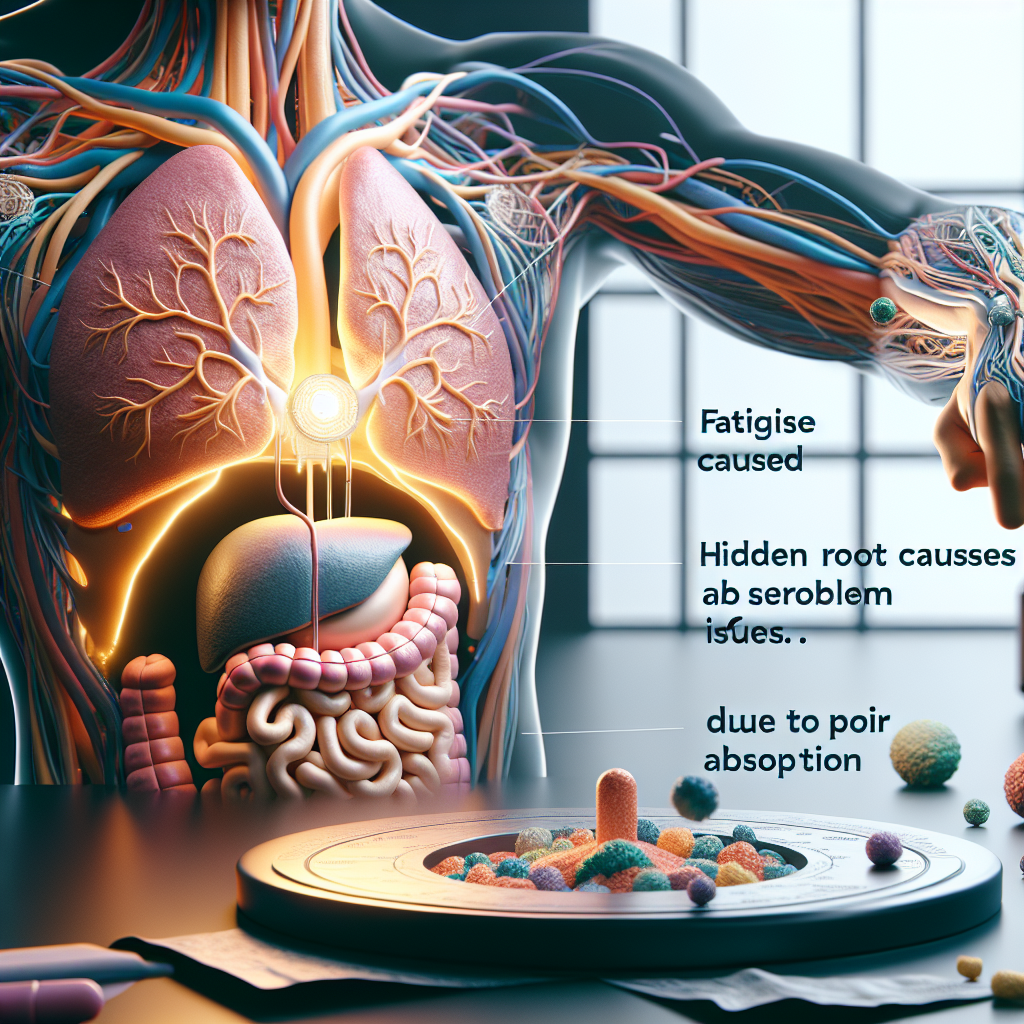
Symptoms caused by poor absorption often do not look digestive
People often expect absorption problems to show up as obvious stomach issues. In practice, poor absorption can look like fatigue that does not improve with eating well, brittle nails despite a balanced diet, lightheadedness, frequent muscle cramps, poor exercise recovery, brain fog, tingling, dry skin, or changes in bowel habits that seem too minor to matter. The hidden root cause is not always what you eat. It is often what your body can actually break down, transport, and use.
Absorption is a multi-step process. Food must first be mechanically and chemically digested, then nutrients must cross the intestinal lining, and finally they must be transported in blood or lymph to tissues that need them. Problems at any of these stages can create symptoms that feel disconnected from digestion itself.
Why poor absorption creates wide-ranging symptoms
The small intestine is where most vitamins, minerals, amino acids, and fats are absorbed. But absorption depends on stomach acid, pancreatic enzyme output, bile flow, intestinal surface area, gut motility, microbiome balance, and the integrity of the intestinal lining. If one of these is impaired, the result may be a subtle but meaningful drop in nutrient availability.
This matters because nutrients are not interchangeable. Iron helps carry oxygen. B vitamins support energy metabolism and nerve signaling. Magnesium is involved in muscle contraction, nerve function, and ATP production. Fat-soluble compounds need proper fat digestion. Protein must be broken into amino acids before tissues can use it for repair, hormones, enzymes, and immune signaling.
When absorption is compromised, the body begins to prioritize. It supports essential survival functions first. Less urgent systems, such as hair growth, skin quality, exercise recovery, and stress resilience, may show changes earlier. That is one reason symptoms can seem vague or unrelated at first.
The mechanism: where absorption commonly breaks down
1. Low stomach acid
Stomach acid helps release nutrients from food and prepares proteins for further digestion. It also supports the absorption of minerals such as iron and may influence downstream digestive signaling. If stomach acid is reduced, food may sit heavily after meals, and nutrient release can become less efficient. Some people notice bloating, early fullness, or feeling overly full after protein-rich meals.
2. Inadequate digestive enzymes
Pancreatic and supplemental digestive enzymes help break proteins, fats, and carbohydrates into absorbable units. If this step is incomplete, nutrients may pass through partially digested. Symptoms can include bloating after meals, visible food in stool, greasy stool, or feeling tired after eating. In cases where meal-related heaviness or plant-food intolerance is a practical concern, some people explore targeted support such as a digestive enzyme and probiotic formula for harder-to-digest meals.
3. Low bile flow or poor fat digestion
Bile helps emulsify dietary fats so they can be absorbed. If fat digestion is inefficient, people may have trouble absorbing fat-soluble nutrients and essential fatty acids. A common real-world clue is feeling worse after high-fat meals, floating stools, or stool that appears pale or difficult to flush. This does not diagnose a condition, but it highlights a mechanism worth discussing with a clinician.
4. Damaged or inflamed intestinal lining
The intestinal wall is not just a tube. It is a selectively permeable barrier with transport proteins, immune cells, and an enormous absorptive surface. If the lining is irritated or inflamed, transport may become less efficient. This can reduce uptake of several nutrients at once, creating mixed symptoms such as fatigue, skin changes, food sensitivity, altered bowel patterns, and low resilience to stress or illness.
5. Microbiome imbalance
The gut microbiome affects fermentation, vitamin production, intestinal signaling, and barrier health. An imbalanced microbiome does not automatically mean severe disease, but it can shift digestion and assimilation in ways that affect how you feel day to day. People may notice irregularity, bloating, excess gas, or symptom flare-ups after certain foods. In some cases, broader microbiome support may be considered, such as a multi-strain probiotic designed for digestive regularity and nutrient assimilation support.
The symptom pattern clinicians watch for
The most overlooked clue is not one dramatic symptom. It is a cluster of low-grade issues that persist despite “doing the right things.”
- Fatigue despite eating regularly: This may reflect poor absorption of iron, B vitamins, protein, or overall calories.
- Muscle cramps or twitching: These can be influenced by poor absorption of magnesium, calcium, or electrolytes, especially if digestion is inconsistent.
- Brain fog and poor focus: Inadequate assimilation of B vitamins, iron, essential fats, or amino acids can affect neurotransmitter production and oxygen delivery.
- Dry skin, brittle nails, or increased hair shedding: These can appear when fats, zinc, protein, or other nutrients are not being effectively used.
- Loose stool, constipation, or alternating bowel habits: Even when mild, these may indicate that digestion and absorption are less efficient than they should be.
- Feeling full quickly or reacting poorly to larger meals: This may suggest upstream digestive insufficiency rather than simply food intolerance.
Why “normal eating” does not always correct the problem
A person can eat a nutrient-dense diet and still have signs of low nutrient availability if assimilation is impaired. This is the key hidden-root-cause issue. Intake and absorption are not the same thing.
For example, iron from food still needs to be released, reduced, transported, and absorbed. Protein still needs to be denatured and cleaved into peptides and amino acids. Fats still require bile and lipase activity. If digestion is incomplete, the body receives less usable material than food tracking apps suggest.
This also explains why some people take supplements consistently but do not feel a difference. The issue may not be the label dose. It may be whether the digestive system can process and absorb the nutrient effectively in the first place.
Real-world factors that can quietly reduce absorption
- Chronic stress: Stress can alter motility, digestive secretions, and meal tolerance.
- Aging: Stomach acid and enzyme output may decline over time, making larger or heavier meals harder to process.
- Restrictive diets: These may reduce both nutrient intake and the diversity of fibers that support microbial balance.
- Rapid eating: Poor chewing reduces the mechanical breakdown that digestion depends on.
- Frequent GI irritation: Recurrent bloating, diarrhea, or inflammatory irritation can limit efficient uptake.
- Medication effects: Some medications can affect stomach acid, gut motility, or the microbiome.
How to think about poor absorption without jumping to conclusions
Symptoms caused by poor absorption should be viewed as a pattern, not a self-diagnosis. The useful question is not “Which supplement should I take?” It is “What part of digestion or assimilation may be underperforming?”
That changes the strategy. Instead of layering more products onto an already strained digestive system, it often makes sense to review meal tolerance, stool patterns, fullness after meals, reactions to fats or high-fiber foods, medication use, and whether symptoms cluster around certain eating patterns.
If low energy is part of the picture, it may also be useful to look at related lifestyle stressors that can worsen digestive efficiency. Sleep is a major example, since poor sleep can alter gut motility, appetite signaling, and recovery. A practical self-check is the sleep score tool, which can help identify whether poor recovery is compounding digestive symptoms.
Practical steps that support absorption
Prioritize meal conditions, not just meal quality
Eating while rushed, distracted, or highly stressed can reduce digestive efficiency. Slower eating, better chewing, and more consistent meal timing may improve tolerance before any supplement is considered.
Watch for meal-specific clues
If protein-heavy meals feel heavy, enzyme insufficiency may be part of the picture. If high-fat meals cause discomfort, fat digestion may need review. If raw vegetables consistently trigger bloating, the issue may be more about breakdown capacity than about vegetables themselves.
Track symptoms in context
Notice whether fatigue, brain fog, or cramping follow particular foods, large meals, alcohol, or poor sleep. These patterns are often more informative than isolated symptoms.
Seek clinical evaluation when symptoms persist
Persistent fatigue, unexplained weight change, ongoing diarrhea, greasy stool, blood in stool, progressive weakness, or neurological symptoms deserve professional assessment. Educational content can help identify patterns, but it does not replace testing or clinical care.
The hidden root cause is often functional, not obvious
Poor absorption is a hidden root cause because it can mimic stress, aging, overwork, food sensitivity, or “just getting older.” But the mechanism is often simpler: the body is not fully extracting and using what is present in the diet. When that happens, symptoms appear in tissues and systems that depend on steady nutrient delivery.
The key insight: if symptoms persist despite a reasonable diet, the next question is not always what to add. It is whether digestion, breakdown, transport, and assimilation are working efficiently enough to turn food into usable biology.
That shift in thinking is often what separates generic wellness advice from a more accurate explanation of why symptoms caused by poor absorption can feel so broad, frustrating, and easy to miss.


