

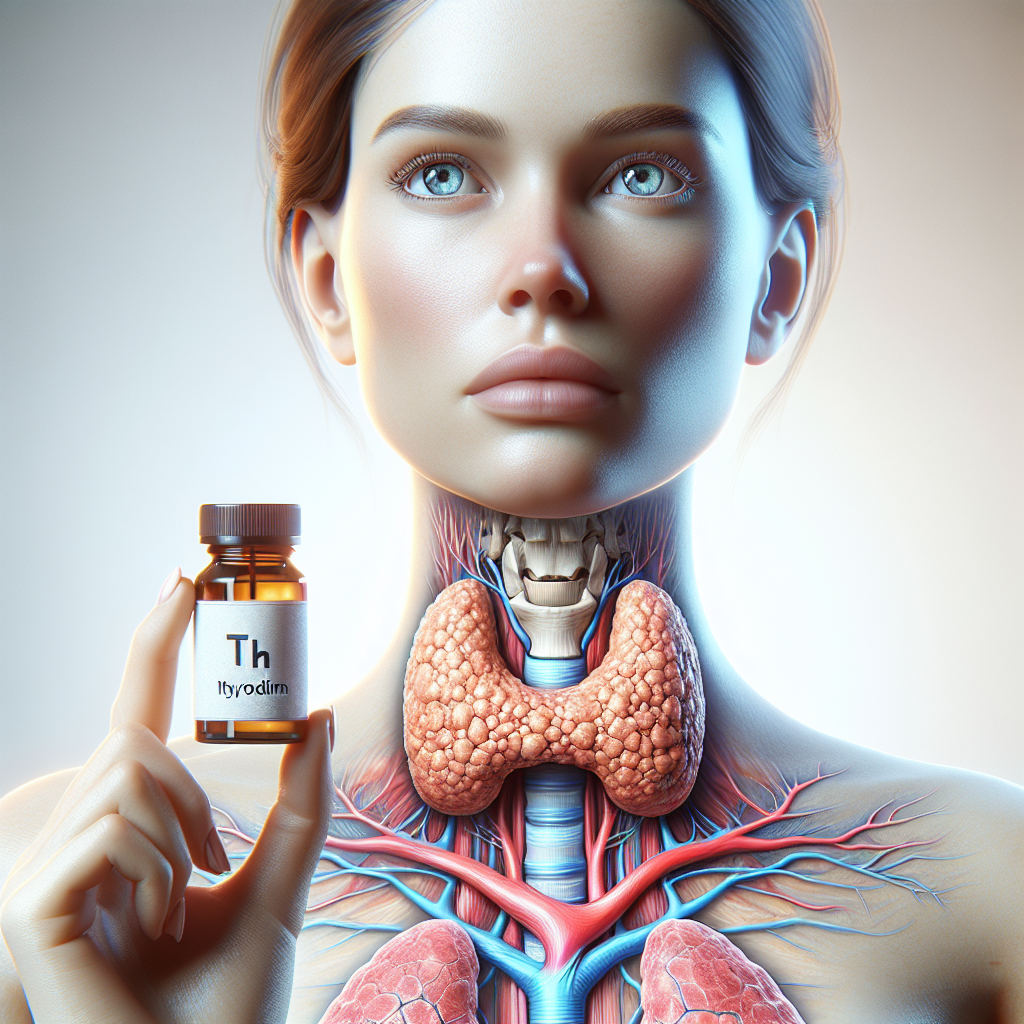
Fatigue, cold hands, weight change, and brain fog do not automatically mean you need iodine
One of the most common mistakes in thyroid discussions is treating every low-energy, low-mood, low-metabolism picture as an iodine problem. The overlap is real: iodine deficiency can contribute to reduced thyroid hormone production, but many cases of thyroid slowdown involve other mechanisms entirely, including autoimmune thyroid disease, altered hormone conversion, medication effects, calorie restriction, illness, and micronutrient imbalances beyond iodine alone.
That distinction matters because iodine sits at the front end of thyroid hormone production. If the issue is true iodine insufficiency, intake matters. If the issue is inflammation, impaired conversion of T4 to T3, pituitary signaling, or autoimmune injury to thyroid tissue, taking more iodine does not necessarily solve the problem and may be inappropriate for some people.
In other words, iodine deficiency and thyroid slowdown can look similar on the surface while operating through different biology underneath.
The mechanism: where iodine actually fits in thyroid physiology
The thyroid gland uses iodine to build thyroxine (T4) and triiodothyronine (T3). Iodide is absorbed in the gut, circulates in the bloodstream, and is actively transported into thyroid cells through the sodium-iodide symporter. Inside the gland, thyroid peroxidase helps attach iodine to tyrosine residues on thyroglobulin, forming the building blocks of T4 and T3.
Without enough iodine, the gland cannot efficiently manufacture adequate hormone. Over time, the brain responds by increasing thyroid-stimulating hormone, or TSH, in an attempt to push the thyroid harder. That compensation can enlarge the gland and, in some settings, contribute to goiter.
But this is only one pathway to low thyroid function. A person can have enough iodine available and still feel hypothyroid if:
- the immune system is attacking thyroid tissue
- T4 is not being converted efficiently to T3 in the liver and other tissues
- TSH signaling is altered
- severe stress, illness, or under-eating is changing thyroid regulation
- key cofactors such as selenium or iron are low
That is why symptom matching alone is unreliable.
Why the confusion happens so often
Iodine deficiency and thyroid slowdown share many non-specific symptoms: tiredness, constipation, dry skin, hair changes, feeling cold, puffiness, lower exercise tolerance, and reduced concentration. These are not uniquely thyroid symptoms, and they are not uniquely iodine symptoms either.
A person with iron deficiency, poor sleep, depression, chronic stress, low calorie intake, postpartum hormone shifts, perimenopause, or autoimmune thyroiditis may describe nearly the same daily experience. That overlap creates a powerful bias toward self-diagnosis.
It also helps explain why online advice often goes wrong. Once a symptom cluster gets labeled “thyroid,” the next leap is often “therefore I need iodine.” Biologically, that shortcut is too simplistic.
What true iodine deficiency tends to involve
True iodine deficiency is fundamentally an intake problem. The body cannot make thyroid hormone without adequate iodine substrate. Risk rises when dietary patterns consistently exclude common iodine sources such as iodized salt, seafood, dairy in some populations, and eggs. The risk can be higher in people following restrictive diets, those avoiding processed foods without deliberately replacing iodine, and some people eating plant-based diets who assume “clean eating” automatically covers trace minerals.
Pregnancy also raises iodine requirements because maternal thyroid hormone production increases and iodine is needed for fetal neurodevelopment. That does not mean everyone should supplement indiscriminately, but it does mean iodine status deserves more attention in vulnerable groups.
Another practical point: many people have reduced sodium intake for good reasons, but if their diet also excludes seafood and dairy, they may unintentionally remove a major source of iodine. Low-salt and low-iodine are not identical, yet in real life they can overlap.
What thyroid slowdown can involve even when iodine intake is adequate
Hypothyroid physiology is broader than iodine supply. One common example is Hashimoto’s thyroiditis, where immune-mediated damage gradually affects the gland’s ability to produce hormones. In that setting, the root issue is not simply lack of iodine raw material. Another example is impaired peripheral conversion of T4 into T3, which may be influenced by illness, inflammation, energy deficiency, liver status, selenium status, and other stressors.
Some people also have “functional slowdown” patterns during prolonged dieting, overtraining, or chronic stress, where the body adapts by reducing metabolic output. Others develop thyroid issues after pregnancy or while taking medications that alter thyroid function.
This is why comparison is more useful than oversimplification:
- Iodine deficiency: not enough substrate to synthesize thyroid hormone efficiently
- Thyroid slowdown: a broader state that may result from gland dysfunction, immune factors, conversion issues, signaling problems, or systemic stress
The symptom picture can overlap. The mechanism does not always overlap.
The overlooked cofactor problem: iodine does not work in isolation
Even when iodine intake is relevant, thyroid biology depends on more than one nutrient. Selenium is especially important because selenium-dependent enzymes help convert T4 to T3 and support antioxidant protection inside the thyroid. Iron also matters because thyroid peroxidase is iron-dependent. Zinc, protein intake, and overall energy availability can influence thyroid signaling and hormone activity as well.
This creates a practical mistake: people focus narrowly on iodine while ignoring the rest of the thyroid ecosystem. Someone may increase iodine but still feel poorly if low selenium, low iron, inadequate calories, or inflammation is the bigger constraint.
For readers eating mostly plant-based diets, a balanced formula such as a vegan multinutrient with iodine and selenium may make more sense than chasing a single nutrient in isolation. That is not a treatment strategy; it is simply a more physiologically complete way to think about nutrient gaps.
Foods, patterns, and real-world risk factors
In public health terms, iodine deficiency is often about food systems, not just personal choice. Iodized salt policies, regional soil content, seafood intake, and food manufacturing practices all influence exposure. At the individual level, a few patterns deserve attention:
- strict vegan or highly plant-exclusive diets without intentional iodine sources
- low-sodium diets that do not include iodized salt
- limited seafood intake
- high intake of gourmet salts that are not iodized
- pregnancy or breastfeeding, when requirements rise
Seaweed complicates the conversation because it can contain highly variable amounts of iodine. That means “I eat seaweed sometimes” is not the same as consistent, predictable iodine intake. Some seaweed products can deliver far more iodine than expected.
When symptom tracking is useful—and when it is misleading
Tracking fatigue, constipation, cold intolerance, pulse, energy, mood, and hair shedding can help you notice patterns. But symptoms cannot tell you whether the bottleneck is iodine deficiency, autoimmune thyroid disease, iron deficiency, low energy availability, or poor sleep. They are clues, not answers.
Sleep is a particularly common confounder. Fragmented or insufficient sleep can worsen fatigue, weight regulation, mood, and mental clarity in ways that mimic “slow thyroid.” If that pattern is part of your picture, using this sleep score tool can help you assess whether recovery and sleep quality may be contributing to symptoms that otherwise get blamed on metabolism.
The supplementation mistake: more is not always better
Iodine has a narrow public reputation: either ignored completely or treated as a metabolic fix. Neither extreme is helpful. Too little iodine can be a problem, but excessive iodine can also disturb thyroid physiology in susceptible individuals, especially when underlying thyroid autoimmunity is present.
That is why random high-dose iodine protocols are not a smart first step for people with unexplained thyroid-type symptoms. A moderate, evidence-informed intake is very different from megadosing. If intake is genuinely low, correcting the deficiency is reasonable. If intake is already adequate, pushing it much higher does not guarantee better thyroid function.
For people whose diets are inconsistent or highly restricted, a more measured option may be a comprehensive multivitamin that includes iodine rather than a standalone high-dose iodine product. The point is adequacy, not aggressive dosing.
How to think clearly about iodine deficiency vs thyroid slowdown
A useful framework is to ask three separate questions instead of collapsing them into one:
1. Is iodine intake plausibly low?
Look at your actual pattern: iodized salt use, seafood intake, dairy or eggs if applicable, pregnancy status, and whether your diet removes major iodine sources.
2. Is there evidence of thyroid dysfunction?
Symptoms alone are not enough. The body may be signaling a thyroid issue, but it may also be signaling inadequate sleep, iron deficiency, chronic stress, or low caloric intake.
3. Are other nutrient or lifestyle bottlenecks present?
Selenium, iron, protein intake, illness recovery, stress load, and sleep quality all shape thyroid physiology and perceived metabolic function.
This layered approach prevents a common error: treating a complex thyroid picture like a simple iodine story.
Bottom line
Iodine deficiency is one cause of reduced thyroid hormone production, but it is not the same thing as thyroid slowdown in general. The symptoms can look almost identical, which is why confusion is so common. The difference lies in mechanism: iodine deficiency is a substrate shortage, while thyroid slowdown can reflect immune dysfunction, impaired conversion, signaling changes, medication effects, or broader metabolic stress.
The practical takeaway is not to ignore iodine. It is to place iodine in context. If your diet makes low intake plausible, iodine deserves attention. If your symptoms are persistent, broad, or severe, the right next step is not guessing based on symptom overlap. It is understanding which part of thyroid physiology may actually be under strain.


