

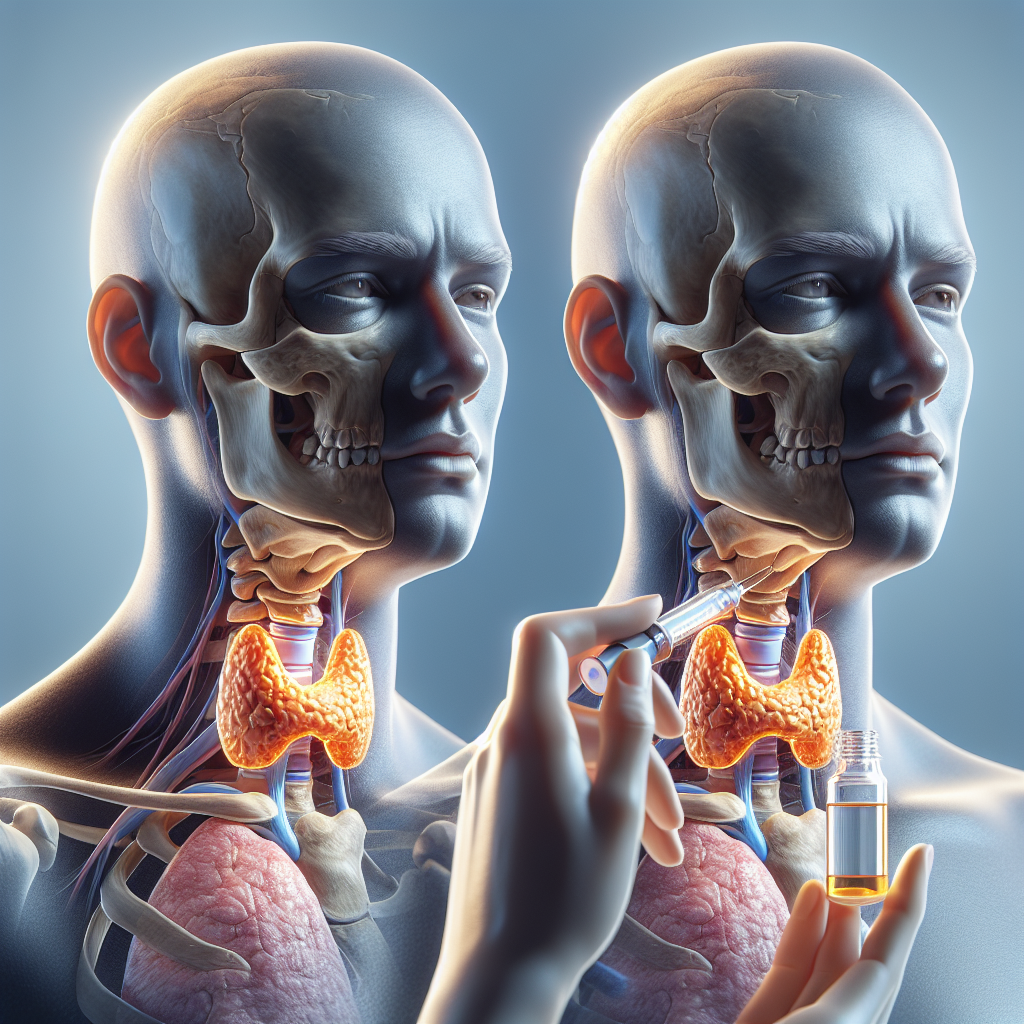
Fatigue, cold hands, and weight changes do not automatically mean you need more iodine
One of the most common mistakes in nutrition-focused thyroid content is treating every sign of a “slow thyroid” as proof of iodine deficiency. That shortcut is biologically inaccurate. Iodine deficiency and thyroid slowdown can overlap in symptoms, but they are not the same problem. One is a nutrient supply issue; the other is a broader functional state that can result from autoimmunity, medication, pituitary signaling, inflammation, calorie restriction, illness, or impaired hormone conversion.
This distinction matters because iodine sits at the very start of thyroid hormone production. The thyroid gland uses iodine to build thyroxine (T4) and triiodothyronine (T3). If iodine intake is too low, the gland lacks a key raw material. But a person can also have thyroid-related symptoms while iodine intake is adequate, because the bottleneck may be somewhere else entirely.
The core mechanism: where iodine fits in thyroid physiology
The thyroid does not make hormones out of nothing. It pulls iodide from circulation through the sodium-iodide symporter, moves it into thyroid tissue, and attaches iodine to tyrosine residues on thyroglobulin. This process, driven by thyroid peroxidase, creates monoiodotyrosine and diiodotyrosine, which are then coupled to form T3 and T4.
That means iodine deficiency affects the system at the substrate level. If intake remains too low over time, thyroid hormone synthesis may drop, thyroid-stimulating hormone (TSH) can rise, and the gland may enlarge in an attempt to trap more iodine. This is the classic deficiency pathway.
By contrast, thyroid slowdown is a descriptive phrase, not a diagnosis. People often use it to describe lower thyroid output, lower tissue-level thyroid effect, or symptoms that feel hypothyroid. But that state may be driven by:
- Hashimoto’s thyroiditis and thyroid tissue damage
- Low pituitary signaling or central hypothyroidism
- Poor conversion of T4 to T3 during illness, stress, or underfeeding
- Drug effects, including lithium or amiodarone
- Postpartum thyroid changes
- Recovery from severe illness
- Energy deficiency from aggressive dieting
So while iodine deficiency can contribute to reduced thyroid hormone production, it is only one possible cause in a much larger map.
Why the symptom overlap causes confusion
Both iodine deficiency and reduced thyroid function can be associated with tiredness, dry skin, constipation, brain fog, feeling cold, hair changes, or reduced exercise tolerance. That is exactly why self-diagnosis goes wrong.
Symptoms alone cannot tell you whether the issue is:
- Insufficient iodine intake
- Autoimmune thyroid disease
- Low iron or low ferritin
- Selenium insufficiency
- Poor sleep
- Depression
- Relative energy deficiency
- Anemia or chronic illness
In practice, many “thyroid symptoms” are non-specific. A person may feel metabolically slowed down without having true iodine deficiency. Another may have low iodine intake but mild or subtle symptoms for quite a while. This is why mechanism matters more than symptom lists.
Who is more likely to have true iodine deficiency?
In many regions, severe iodine deficiency is less common than it once was because of iodized salt programs. But deficiency still occurs, especially in people whose diet pattern unintentionally removes major iodine sources.
Higher-risk groups can include:
- People who avoid seafood, dairy, and eggs
- Those using non-iodized specialty salts exclusively
- Vegans with limited food variety
- Pregnant individuals, who have higher iodine requirements
- People with restrictive diets
Real-world context matters here. Someone eating mostly whole foods, avoiding processed foods, using gourmet sea salt, and consuming no dairy or seafood may assume they are eating “clean,” yet still miss iodine consistently.
For people following plant-forward or vegan diets, a broad-spectrum option such as a vegan multinutrient with iodine and selenium may be more rational than taking iodine in isolation, because thyroid physiology depends on more than one nutrient and deficiency patterns often cluster.
When thyroid slowdown is not an iodine problem
A major point of confusion is autoimmune thyroid disease. In Hashimoto’s thyroiditis, the issue is not simply lack of iodine. It is immune-mediated damage to thyroid tissue. In that setting, taking more iodine without understanding the clinical picture may not address the root issue and, in some people, may be unhelpful.
Another common mechanism is impaired conversion. Most thyroid hormone released by the gland is T4, which must be converted in peripheral tissues into the more active T3. Illness, chronic stress physiology, severe calorie restriction, and low selenium status can influence this conversion process. A person may therefore feel “low thyroid” while iodine intake is technically sufficient.
There is also the central signaling issue: if the hypothalamus or pituitary is not sending an appropriate signal, the thyroid gland may underperform even when iodine supply is adequate. Again, same outward picture, different biology.
The overlooked cofactors: iodine does not work alone
Iodine gets the attention, but thyroid hormone production and activation also depend on a broader nutrient environment.
Selenium
Selenium supports deiodinase enzymes involved in thyroid hormone conversion and helps maintain antioxidant systems in thyroid tissue. The thyroid is metabolically active and exposed to oxidative stress during hormone synthesis. Selenium status influences how well the system handles that burden.
Iron
Iron is required for thyroid peroxidase activity. Low iron status can impair thyroid hormone synthesis even if iodine intake looks acceptable on paper.
Protein and energy intake
Very low-calorie diets can reduce active thyroid signaling as the body adapts to lower energy availability. This can mimic a thyroid problem without starting as one.
Zinc and vitamin A
These also participate in thyroid hormone metabolism and receptor function, though they are often overshadowed by iodine.
This is one reason isolated self-treatment can be simplistic. If someone suspects nutrient-related thyroid issues, a balanced formula such as a comprehensive multinutrient that includes iodine may make more sense than chasing a single nutrient without context.
The common mistake: assuming more iodine is always better
It is not. The thyroid needs enough iodine, but that is different from needing excessive iodine. Both low intake and excessive intake can disturb thyroid physiology in susceptible individuals.
Very high iodine exposure can alter thyroid hormone synthesis through autoregulatory effects and may provoke dysfunction in some people with underlying thyroid vulnerability. This is especially relevant when people combine kelp products, multivitamins, “thyroid support” blends, and high-iodine foods without adding up total intake.
The practical lesson is simple: if symptoms suggest thyroid dysfunction, do not treat iodine like a universal energy supplement.
How to think about testing and interpretation
Educationally, the useful question is not “Do I feel hypothyroid?” but “What mechanism best explains this picture?” Depending on context, clinicians may look at TSH, free T4, free T3, thyroid antibodies, iron markers, and other factors. Iodine status is more difficult to interpret casually because intake can fluctuate, and single spot measures have limitations.
Pattern recognition helps:
- Low iodine intake pattern: long-term avoidance of iodine-rich foods, non-iodized salt use, increased need such as pregnancy
- Autoimmune pattern: antibodies, family history, fluctuating thyroid function, gland inflammation
- Conversion pattern: illness, overtraining, low-calorie dieting, recovery stress, low selenium intake
If weight change is part of the concern, it can help to separate body-composition trends from thyroid assumptions by using our BMI calculator as a basic reference point rather than using weight alone as evidence of a nutrient deficiency.
Food-first strategies for adequate iodine intake
For prevention, food pattern is usually more important than supplement intensity. Depending on dietary preference and geography, iodine may come from iodized salt, seafood, dairy, eggs, and some fortified products. The exact amount in seaweed can vary dramatically, which makes it a less predictable source.
Practical ways to reduce risk of low intake include:
- Checking whether household salt is iodized
- Reviewing whether your diet routinely includes reliable iodine sources
- Avoiding the assumption that sea salt naturally provides meaningful iodine
- Paying extra attention during pregnancy or highly restrictive eating phases
The mistake is not usually dramatic deficiency overnight. It is quiet underconsumption over months or years.
What readers should remember
Iodine deficiency is a specific nutrient problem that affects thyroid hormone synthesis at the raw-material level. Thyroid slowdown is a broader functional picture that may arise for many reasons, including but not limited to iodine insufficiency. When symptoms overlap, people often confuse the two and default to supplements too quickly.
The more accurate view is this: iodine is necessary, but it is not a stand-in for total thyroid health. If intake is low, correction matters. If intake is adequate, adding more may not solve fatigue, weight concerns, or brain fog, because the true mechanism may involve autoimmunity, conversion issues, low iron, low selenium, energy deficit, or another medical cause.
That distinction is what separates evidence-based nutrition from symptom guessing.
Image prompts
iodine molecule overlay beside thyroid gland anatomy with hormone synthesis pathway, clinical editorial style
comparison graphic showing iodine deficiency versus autoimmune thyroid slowdown, symptom overlap with different mechanisms
flat lay of iodized salt, eggs, dairy, seafood, and supplement bottle labeled iodine, realistic nutrition photography
medical illustration of thyroid hormone production from iodide uptake to T3 and T4 formation, clean white background
woman reviewing lab results with thyroid diagram and nutrient icons for iodine selenium iron, modern healthcare scene


