The digestive tract is home not only to bacteria but also to fungi, including yeasts from the Candida genus. For most people, their presence is a normal part of the body’s microbial ecosystem. Problems arise only in particular circumstances, which is why responsible digestive support should focus on balance rather than trying to “eliminate” every trace of yeast.
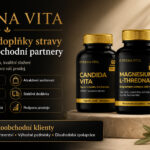
Eterna Vita Candida Vita is a multi-ingredient food supplement developed for adults seeking broad support for digestive and microbial balance. Its formula combines caprylic acid and oregano extract with a spore-forming probiotic, digestive enzymes and several botanical extracts. It is a sophisticated combination, but understanding what the ingredients can—and cannot—be expected to do is essential.
Candida Is Not Automatically a Problem
Candida is a genus of yeast that commonly lives on the skin and in areas such as the mouth, throat, intestines and vagina. Research into the gut mycobiome confirms that Candida species can be detected in many healthy people. Finding Candida therefore does not, by itself, prove that it is causing symptoms.
Candidiasis is different. It is a medically recognised fungal infection that develops when Candida grows out of control in a particular part of the body. It may occur as vaginal candidiasis, oral thrush, oesophageal candidiasis or, much more rarely, invasive infection in seriously ill or immunocompromised people. These conditions require appropriate diagnosis and antifungal treatment.
The popular expression “intestinal Candida overgrowth” is often used much more broadly to explain non-specific symptoms such as bloating, fatigue, cravings, brain fog or irregular digestion. These symptoms are real, but they are not specific to Candida. Irritable bowel syndrome, coeliac disease, food intolerances, medication effects and many other conditions can produce a similar picture. A supplement should not be used to self-diagnose the cause.
What Is in the Daily Serving?
The recommended daily serving is two capsules taken with a meal. Together they provide 1,307 mg of listed active ingredients:
- Oregano extract – 500 mg
- Caprylic acid – 400 mg
- Bacillus coagulans – 50 mg
- Protease – 50 mg
- Aloe vera extract – 50 mg
- Arabinogalactan – 50 mg
- Anise seed extract – 50 mg
- Black walnut – 50 mg
- Wormwood – 50 mg
- Cellulase – 32 mg
- Reishi extract – 25 mg
A bottle contains 60 capsules, corresponding to 30 daily servings. The product page suggests a course of at least four to eight weeks, which means that two bottles would be required for an eight-week routine.
Caprylic Acid and Oregano Extract
Caprylic acid is an eight-carbon medium-chain fatty acid found naturally in foods including coconut and dairy fat. Laboratory studies have investigated its effects on Candida cells and biofilms. These experiments help researchers understand possible mechanisms, but activity in a laboratory dish does not prove that an oral capsule treats candidiasis or reduces intestinal Candida in humans.
Oregano contains aromatic compounds such as carvacrol and thymol. Oregano oils and extracts have also demonstrated antifungal activity against Candida species in laboratory research. Again, this is preclinical evidence. Human absorption, metabolism, dose and the standardisation of the extract all influence what happens after oral consumption.
Candida Vita provides substantial labelled quantities of both ingredients, but the product information does not state the carvacrol or thymol content of the oregano extract. The formula is therefore best described as a targeted digestive supplement containing ingredients researched for microbial interactions—not as an oral antifungal medicine.
Bacillus Coagulans and the Microbiome
Bacillus coagulans is a spore-forming bacterium used in probiotic supplements. Its spores are comparatively resistant to environmental stress, which can make this species convenient for capsule formulations. Researchers have explored whether selected strains can interact with Candida or support digestive comfort.
Probiotic effects are strain-specific. Results obtained with one named strain and dose cannot automatically be assigned to another product simply because it contains the same species. The Candida Vita label lists 50 mg of Bacillus coagulans but does not identify a strain or declare the number of colony-forming units (CFU) guaranteed through shelf life. These missing details limit direct comparisons with clinical trials.
This is particularly important when discussing vaginal yeast infections. Current CDC guidance states that evidence is insufficient to support probiotics as treatment for vulvovaginal candidiasis. A probiotic-containing food supplement may form part of a general digestive routine, but it should not replace an indicated antifungal medicine.
Protease and Cellulase: The Digestive Enzyme Component
Protease enzymes break proteins into smaller peptides and amino acids, while cellulase acts on cellulose, a structural carbohydrate found in plants. Human digestive secretions do not naturally provide meaningful cellulase activity, so this enzyme is sometimes added to broad digestive formulas.
Candida Vita lists 50 mg of protease and 32 mg of cellulase. Enzyme performance is usually best compared through activity units rather than ingredient weight alone, because two enzyme preparations of identical weight may have very different activities. No activity units are given on the product page, so the formula’s precise digestive enzyme strength cannot be inferred from milligrams.
Arabinogalactan, Aloe Vera and Anise
Arabinogalactan is a complex carbohydrate commonly sourced from larch. It is often used as a prebiotic ingredient because selected intestinal microorganisms can ferment it. As with other fibres, effects depend on the dose and the rest of the diet. The 50 mg quantity in this capsule formula is much smaller than the gram-level amounts typically associated with dietary fibre intake.
Aloe vera and anise have long histories of use in digestive products. The effect of aloe depends strongly on which part of the plant is used and how the extract is prepared: inner-leaf gel differs from aloe latex, which contains stimulant laxative compounds. Consumers with sensitive digestion should stop using the product if it causes persistent cramping or diarrhoea.
Black Walnut, Wormwood and Reishi
Black walnut and wormwood are traditional ingredients in “microbial balance” blends. Modern human trials supporting their use against intestinal Candida are lacking. Laboratory or traditional use should not be interpreted as proof that they eradicate yeast in the human digestive tract.
The black walnut ingredient is also an important allergen consideration. People with a tree-nut allergy should not take the product. Wormwood may contain thujone, and safety depends on preparation and exposure. It is not appropriate during pregnancy or breastfeeding, and people with epilepsy, seizure disorders, liver disease or complex medication regimens should seek professional advice before use.
Reishi is included as a small botanical mushroom component. It is commonly used in wellness formulations, but Candida Vita should not be interpreted as an immune treatment. People taking anticoagulants, immunosuppressants or other prescription medicines should have the complete ingredient list reviewed by a pharmacist or doctor.
What About a “Candida Diet”?
Strict Candida diets commonly exclude sugar, refined flour, yeast, cheese, fruit and sometimes many other foods. There are no good clinical trials showing that these restrictive diets treat a recognised Candida infection. Some people feel better after following one because they replace highly processed foods with vegetables, whole foods and minimally processed meals—not necessarily because they have “starved” Candida.
A more sustainable digestive routine usually includes:
- a varied diet with vegetables, legumes, whole grains and other tolerated fibre sources;
- adequate fluid intake;
- regular meals and physical activity;
- moderation of alcohol and heavily processed foods;
- careful observation of individual food triggers without unnecessary long-term restriction.
People with persistent digestive symptoms or a very restricted diet may benefit from assessment by a doctor and registered dietitian.
After Antibiotics: A Nuanced Approach
Antibiotics can alter bacterial communities and sometimes increase the risk of yeast infection in susceptible individuals. That does not mean everyone needs an “anti-Candida” protocol after a course of antibiotics. Antibiotics should be taken exactly as prescribed, and new symptoms should be assessed according to their location and severity.
The inclusion of Bacillus coagulans, arabinogalactan and digestive ingredients may make Candida Vita relevant to people seeking a structured post-antibiotic digestive routine. However, evidence for probiotics is strain- and condition-specific. If capsules are used during antibiotic treatment, ask a pharmacist whether they should be separated from the medicine and by how long.
How to Use Candida Vita
Take two capsules per day, ideally with food, and do not exceed the recommended serving. Consistency is more sensible than increasing the dose. Because the formula contains numerous active ingredients, introduce it without simultaneously starting several other herbal or digestive supplements; this makes it easier to identify the cause if an adverse reaction occurs.
The manufacturer states that the formula may be combined with probiotics. More is not automatically better, however. When selecting an additional probiotic, look for a named strain, a clearly declared CFU count through the end of shelf life and evidence relevant to the intended use.
When a Supplement Is Not the Right First Step
Seek medical assessment rather than self-treating if you experience:
- vaginal itching, pain or unusual discharge, especially for the first time;
- white oral patches, significant mouth soreness or difficulty swallowing;
- persistent diarrhoea, vomiting, blood in the stool or unexplained weight loss;
- severe abdominal pain, fever or dehydration;
- recurrent symptoms despite previous treatment;
- possible infection while immunocompromised, undergoing chemotherapy or seriously ill.
Diagnosis depends on the affected site and may require examination, microscopy, culture, endoscopy or blood testing. Even a positive culture does not always prove that Candida is the cause of symptoms, because asymptomatic colonisation is possible.
Who May Consider This Formula?
Candida Vita may suit adults looking for an all-in-one digestive formula rather than purchasing caprylic acid, oregano, enzymes, a probiotic and botanical extracts separately. Its two-capsule routine and 30-day bottle are straightforward, while the 1,307 mg daily blend offers greater ingredient variety than a basic single-compound product.
It is not suitable for children, people allergic to tree nuts, or pregnant or breastfeeding women. Anyone taking medication, living with a chronic condition or preparing for surgery should ask a healthcare professional to review the formula before use.
The Bottom Line
Eterna Vita Candida Vita is a thoughtfully assembled, broad-spectrum digestive supplement. Its principal ingredients—500 mg of oregano extract and 400 mg of caprylic acid—are joined by Bacillus coagulans, digestive enzymes, arabinogalactan, aloe, anise, black walnut, wormwood and reishi.
The formula is best positioned as nutritional support for digestive and microbial balance. Laboratory research provides interesting reasons to study several of its ingredients, but robust clinical evidence for treating “intestinal Candida overgrowth” with this type of supplement is not yet available. Diagnosed candidiasis requires evidence-based medical care, and non-specific digestive symptoms deserve a broader assessment.
For the complete composition, recommended use and current availability, visit Eterna Vita Candida Vita at Biolekarna.cz.
This article is intended for general information and does not constitute medical advice. Food supplements should not replace a varied diet, medical diagnosis or prescribed antifungal treatment.