

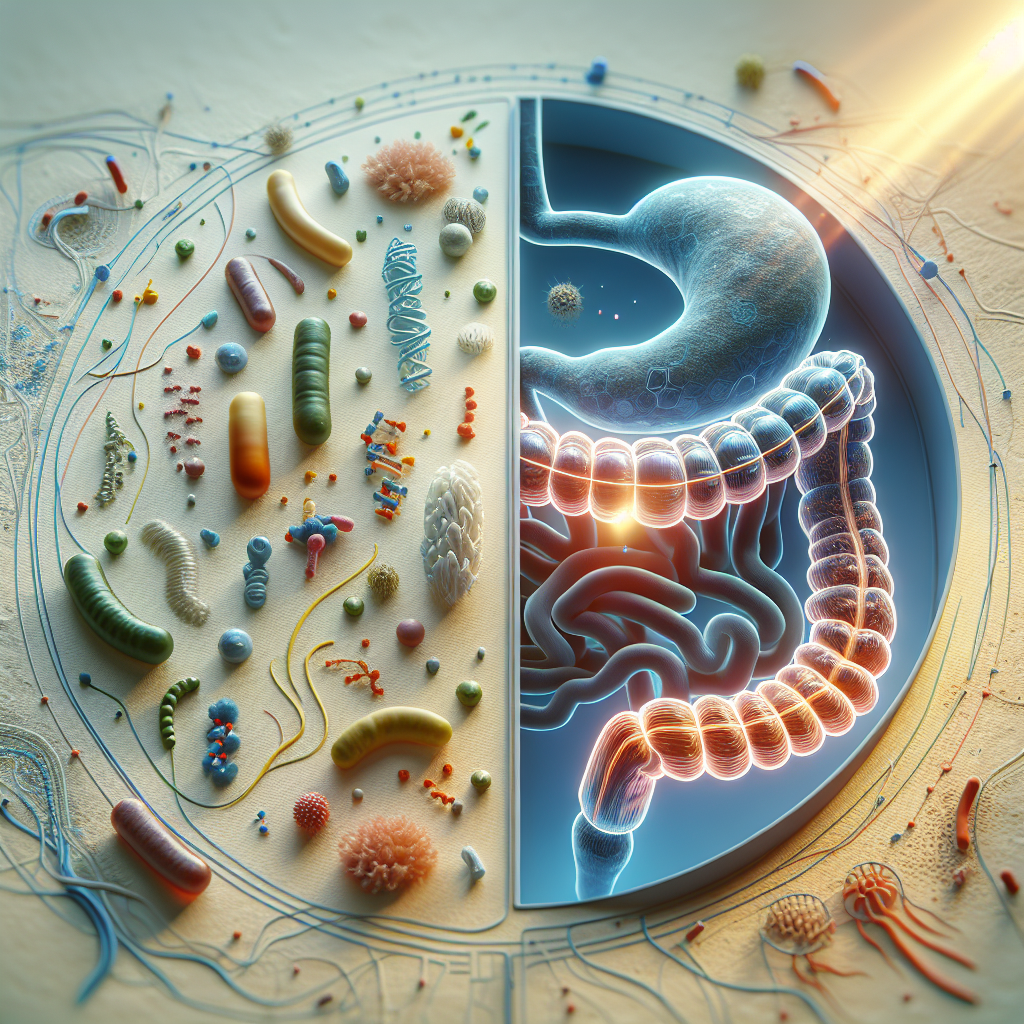
Why a probiotic can look right on the label and still do very little
Probiotics do not fail only because a product is “bad.” In many cases, they fail because the intervention does not match the biology. A person may take billions of CFU, use the product consistently, and still notice no meaningful change because the strains are wrong for the goal, the microbes do not survive the journey well, or the gut environment is not ready to support them.
This is the central mistake in probiotic use: treating all probiotics as interchangeable. They are not. Different strains behave differently, interact with the gut lining differently, produce different metabolites, and persist for different lengths of time. A product designed around broad microbial diversity may not work the same way as one designed for a specific digestive pattern, and even then, response varies from person to person.
The first failure point: strain mismatch
The word “probiotics” sounds like one category, but biologically it is closer to a large family of organisms with distinct functions. Lactobacillus, Bifidobacterium, Saccharomyces, and other organisms do not all do the same thing. Even within one species, one strain may behave differently from another.
This matters because people often choose a probiotic based on CFU count alone. Higher numbers can sound more effective, but dose is not the same as fit. A probiotic aimed at bowel regularity, post-antibiotic support, pediatric use, or fermented-food diversity may not match the mechanism behind a specific person’s symptoms.
For example, some people with bloating are not dealing with a lack of probiotics at all. They may have altered motility, food-triggered fermentation, visceral hypersensitivity, or small intestinal bacterial overgrowth. In that context, adding more fermenting organisms or prebiotic fibers can make symptoms feel worse rather than better.
Why this happens physiologically
Probiotics influence the gut through several mechanisms: competition with resident microbes, production of short-chain fatty acids and other metabolites, effects on intestinal barrier signaling, interaction with immune cells in the gut-associated lymphoid tissue, and influence on luminal pH. But these effects depend on whether the selected strains can temporarily colonize, survive transit, and interact with the host in a meaningful way.
If the strain profile does not match the person’s microbial ecology or symptom pattern, the result may be neutral. The product may not be “failing” in a technical sense; it may simply be biologically irrelevant for that individual.
The second failure point: survival through stomach acid and bile
A probiotic only has a chance to work if viable organisms reach the intestine in sufficient numbers. Stomach acid, digestive enzymes, heat, moisture, oxygen exposure, and bile salts can all reduce survivability. This is one reason storage conditions, delivery format, and manufacturing quality matter more than most consumers realize.
CFU listed on the front of a bottle may not reflect what is delivered to the gut under real-world conditions. Labels often emphasize potency at manufacture, while better products specify viability through expiration when stored properly. This distinction is important because probiotics are living organisms, not inert nutrients.
Capsules, powders, and chewables all have different stability challenges. Products that are shelf-stable can still be useful, but only if their formulation protects viability during storage and transit. If a probiotic has been exposed to heat, humidity, or poor handling, the practical dose may be lower than expected.
That is one reason product design matters. For adults who want a higher-potency option with multiple strains and added digestive enzymes, a multi-strain colon-focused probiotic may be more practical than a generic low-information product, particularly when shelf stability and strain diversity are priorities. The point is not that more is always better, but that survivability and formulation details influence whether a probiotic even reaches the site where it can act.
The third failure point: your gut environment may not support the probiotic
People often imagine probiotics as “good bacteria” that enter the gut and immediately improve the microbiome. In reality, the gut is an ecosystem, not an empty field. Incoming organisms must compete with established microbes, adapt to available nutrients, tolerate the chemical environment, and interact with the mucosal surface.
If that ecosystem is hostile, probiotic organisms may pass through without establishing much activity. This can happen when diet is low in fermentable fibers, when sleep and stress are consistently poor, after repeated antibiotic exposure, or when intestinal inflammation and barrier disruption are present. In these settings, a probiotic may be too small an intervention relative to the larger context.
Probiotics are not fertilizers. They are more like seeds. If the local environment lacks the substrate and conditions needed to support microbial activity, the effect can be weak or short-lived.
Prebiotics can help, but not for everyone
Some formulations include prebiotic fibers to help feed beneficial organisms. That can be useful, but it is also one reason some people say a probiotic “made me more bloated.” Fermentable fibers can increase gas production, especially when a person already has high fermentative activity in the wrong place or poor tolerance to rapidly fermentable substrates.
In practical terms, this means a synbiotic product may be helpful for one person and uncomfortable for another. Someone with a sensitive gut may do better starting low, choosing simpler formulations, or avoiding aggressive prebiotic blends until tolerance is clearer.
The fourth failure point: symptoms do not always come from the colon
Another common reason probiotics disappoint is location. Many symptoms that people attribute to “poor gut health” are not driven by the same part of the digestive tract. Upper abdominal bloating, reflux-like discomfort, fullness soon after meals, or excessive belching can involve gastric emptying, upper GI sensitivity, or small bowel fermentation patterns rather than the colonic ecosystem that many probiotic formulas are designed to influence.
This is one reason symptom interpretation matters. A probiotic intended for lower digestive balance may not meaningfully change upper GI symptoms. People then conclude that probiotics do not work, when the deeper issue is that the intervention was aimed at the wrong mechanism.
The fifth failure point: inconsistent timing and unrealistic expectations
Probiotics are not pain relievers. They do not usually create immediate changes after one or two doses. Their potential effects depend on repeated exposure, temporary ecological shifts, metabolite production, and host response. Stopping and starting randomly makes it harder to judge whether a product is useful.
At the same time, expecting permanent colonization from a short trial is also unrealistic. Many probiotic organisms do not become lifelong residents. Their benefit may depend on ongoing intake or on using them during a targeted window, such as after antibiotics, during travel, or while correcting broader diet and lifestyle patterns.
A thoughtful trial is usually more informative than casual use. That means defining the goal first: stool pattern, antibiotic recovery, tolerance, travel support, pediatric support, or general digestive resilience. Then use one product consistently for a reasonable period, rather than mixing several products at once and creating noise.
Why some people feel worse before they feel better
Not every early negative reaction means the probiotic is harmful, but it also should not be ignored. Temporary changes in gas, stool frequency, or abdominal sensations can occur as fermentation patterns shift. However, persistent worsening suggests the dose, strain mix, or added ingredients may not be a good fit.
Some people react less to the probiotic strains themselves and more to the delivery matrix: dairy residues, added fibers, flavor systems, sweeteners, or excipients. Others are simply more sensitive to rapid microbial change. This is especially relevant in children and in adults with highly reactive digestion.
For a gentler option designed for younger users, a child-friendly chewable probiotic with prebiotic fiber may be easier to use than adult capsules, but tolerance still varies and should be monitored rather than assumed.
How to make probiotics more likely to work
1. Match the product to the goal
Do not choose based on CFU alone. Look at strain profile, delivery format, and whether the product is designed for the situation you actually want to address.
2. Respect storage and viability
Heat, humidity, and time matter. Follow storage instructions and avoid assuming a probiotic is fully potent just because the bottle looks premium.
3. Consider the ecosystem, not just the capsule
Microbes need a supportive environment. Diet quality, fiber tolerance, sleep, stress load, and medication history all shape response. If gut symptoms are worsened by poor sleep and circadian disruption, it can help to assess that broader physiology with a simple tool like this sleep score checker.
4. Start lower if the gut is reactive
People with bloating or sensitivity may do better with slower titration rather than jumping into high-dose, high-diversity formulations immediately.
5. Reassess if the symptom pattern does not fit
If symptoms are primarily upper GI, meal-triggered, or strongly linked to specific carbohydrates, the issue may not be solved by a generic probiotic approach.
What this means in the real world
When probiotics fail, the failure is often conceptual rather than mysterious. The product may be alive, high-count, and well marketed, yet still not match the person, the symptom pattern, or the underlying gut environment. That is why two people can take the same supplement and report opposite experiences.
The most useful way to think about probiotics is not as universal “gut health” insurance, but as a targeted microbial input. Their success depends on strain specificity, survivability, ecological compatibility, and realistic use. Once you view them through that lens, the mixed results make much more sense.
In short: probiotics are not ineffective across the board. They are simply more conditional than the supplement industry often suggests. And in gut microbiome work, condition-specific interventions usually outperform generic ones.
Image prompts
- Microscopic illustration of probiotic strains passing through stomach acid and bile, showing survival loss before reaching the intestine
- Detailed gut microbiome ecosystem graphic comparing strain mismatch versus matched probiotic intervention in the colon
- Clinical-style infographic showing five reasons probiotics fail: strain mismatch, poor survivability, hostile gut environment, wrong symptom target, inconsistent use
- Split-screen digestive tract visualization highlighting upper GI symptoms versus colon-targeted probiotic action
- Supplement shelf scene with capsule, chewable, and powder probiotic formats labeled for stability, CFU, and strain diversity


