

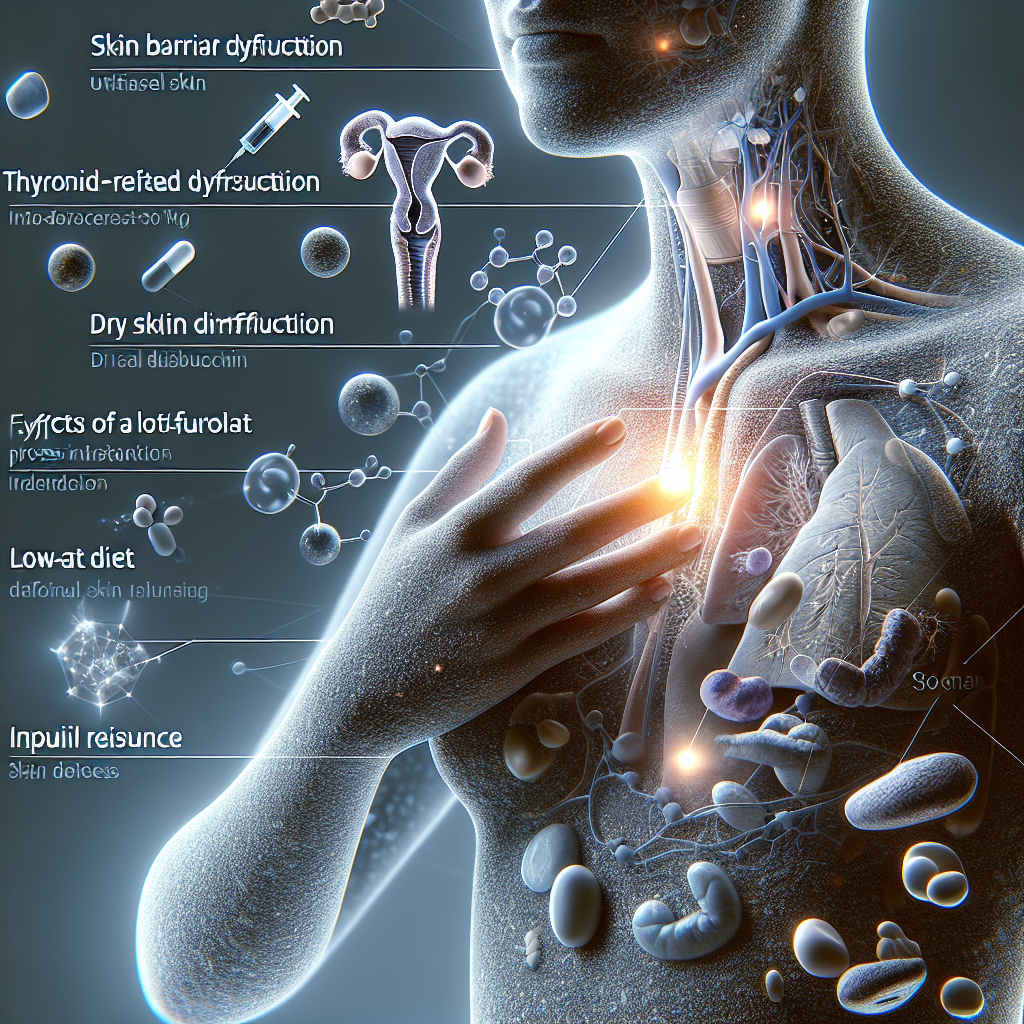
Skin dryness that does not improve with water usually points to a different problem
If your skin still feels tight, flaky, rough, or reactive after drinking enough fluids and using moisturizer, the issue may not be dehydration at all. In many cases, persistent dryness reflects an internal mismatch in barrier biology, hormone signaling, lipid balance, or nutrient status. That matters because the common advice to “drink more water” does little when the skin is struggling to make or hold on to its own protective lipids.
The skin’s outer layer, the stratum corneum, works like a brick wall. The “bricks” are skin cells, and the “mortar” is made from fats such as ceramides, cholesterol, and free fatty acids. When that mortar is weak, water escapes more easily through transepidermal water loss. The result can look like dehydration, but the mechanism is different: the skin is not simply short on water; it is losing water because its barrier is underperforming.
Why the mechanism matters more than the symptom
Dryness is a symptom, not a diagnosis. The same feeling of tight or rough skin can come from several internal causes:
- Reduced skin barrier lipids, especially lower ceramide production or altered essential fatty acid balance
- Low thyroid activity, which can slow epidermal turnover and reduce sebaceous gland output
- Blood sugar dysregulation, which may increase inflammation and impair barrier repair
- Low-fat dieting or fat malabsorption, which can reduce access to the building blocks needed for skin integrity
- Micronutrient insufficiency, including nutrients involved in epithelial maintenance and lipid metabolism
This is why a person can be well hydrated overall yet still have dry skin on the shins, cheeks, hands, or around the mouth. The skin is a metabolically active organ. It depends on hormones, fats, proteins, and micronutrients to maintain flexibility, turnover, and a stable barrier.
The barrier problem: when the skin cannot seal itself properly
The most common non-water explanation for chronic dryness is barrier dysfunction. Healthy skin does not just contain water; it regulates water. Ceramides are central here. These waxy lipids help organize the stratum corneum so moisture stays in and irritants stay out. When ceramide content drops, skin often becomes rougher, more sensitive, and more prone to visible flaking.
Aging, harsh cleansers, chronic inflammation, very low-fat diets, and some inflammatory skin conditions can all reduce barrier quality. Internally, the body also needs adequate fatty acid intake and proper lipid handling to produce and maintain this structure. In practical terms, someone may be layering hydrating serums while the deeper issue is that their skin lacks enough barrier-supportive lipids to retain that hydration.
This is one reason some people notice more relief from products that reinforce barrier function rather than from humectants alone. For example, a ceramide-focused formula such as a barrier-supporting repair cream may be more useful in a routine built around chronic tightness and moisture loss than repeatedly adding water-based products.
Low thyroid function can make skin dry in a very specific way
One of the most overlooked internal causes of skin dryness is reduced thyroid activity. Thyroid hormones influence skin cell turnover, sweat gland activity, sebaceous output, and circulation. When thyroid signaling slows, skin can become cool, rough, pale, and distinctly dry, often with accompanying fatigue, constipation, hair thinning, or sensitivity to cold.
This dryness is not simply a cosmetic issue. Lower thyroid activity can decrease epidermal renewal and reduce the oil contribution that helps soften and protect the surface. That means the skin may feel dry even when fluid intake is adequate. In some people, the outer third of the eyebrows also thins, which is a classic clue clinicians look for in context, though it is not specific on its own.
The practical mistake is assuming dryness always belongs to skincare. When dry skin appears alongside low energy, weight change, menstrual shifts, or persistent cold intolerance, it is reasonable to discuss thyroid assessment with a qualified clinician rather than just changing moisturizers.
Very low-fat eating can show up on the skin
Another internal pattern is inadequate fat intake or poor fat absorption. Skin barrier function depends on lipids. If a person has spent months on a very low-fat diet, has digestive issues affecting bile flow or absorption, or avoids many fat sources, the skin may become less supple and more reactive.
Essential fatty acids are especially important. Linoleic acid helps support the skin barrier, while broader dietary fat adequacy influences membrane structure, inflammatory balance, and fat-soluble nutrient delivery. This does not mean high-fat diets are automatically better. It means chronically under-fueling the skin’s lipid needs can create dryness that no amount of water corrects.
Real-world examples include people eating mostly lean protein and vegetables, people with restrictive dieting histories, and people with ongoing digestive complaints such as floating stools, bloating after fatty meals, or unexplained intolerance to rich foods. In those cases, dryness may be a clue that intake, digestion, or absorption deserves a closer look.
Blood sugar and insulin resistance can quietly interfere with skin quality
Skin dryness is not the first thing most people associate with glucose metabolism, but insulin resistance and repeated glucose spikes can influence inflammation, microcirculation, and tissue repair. Over time, this may alter how resilient the skin feels and how well it recovers from everyday stressors.
Chronically elevated blood sugar can also contribute to glycation, a process in which sugar molecules attach to proteins such as collagen. That does not just affect firmness; it can also influence the skin’s overall texture and function. Some people with metabolic dysfunction notice a combination of dryness, dullness, slower healing, and thicker or rougher skin in certain areas.
If your dry skin comes with central weight gain, post-meal fatigue, cravings, or abnormal fasting glucose markers, the broader metabolic picture may be relevant. In that context, a screening tool like the insulin resistance calculator can help you better understand whether blood sugar regulation is part of the conversation before discussing results with your clinician.
When “hydrating” skincare is the wrong strategy
A common protocol mistake is treating every dry skin complaint as a simple hydration deficit. Humectants such as hyaluronic acid can be useful, but they work best when the skin barrier is intact enough to retain water. If the barrier is compromised, these products may give only temporary relief unless paired with lipids and occlusives.
Another mistake is over-exfoliation. Retinoids, acids, foaming cleansers, and frequent scrubbing can strip lipids faster than the skin can replace them, especially in people who already have low sebum output, hormonal shifts, or cold-weather stress. The skin may then feel both oily and dry at different times, which confuses people into using even stronger cleansing products.
Instead of adding more steps, it often helps to simplify. A gentle cleanser, a barrier-supportive moisturizer, and consistent sunscreen can be more effective than a complex routine built around active ingredients. For daytime, a product like a ceramide-containing BB cream with SPF can support comfort while reducing the visual impact of dryness and reinforcing the barrier environment.
The nutrient angle: why “skin” is not one nutrient problem
The focus nutrient here is skin, but skin is not a single nutrient. It is an organ system with high turnover and constant environmental exposure. Barrier integrity depends on adequate protein, essential fatty acids, zinc, vitamin A status, and a stable supply of lipids. Antioxidant capacity and inflammation control also matter.
This is why dry skin rarely responds well to one-size-fits-all supplement logic. The useful question is not “What supplement is good for skin?” but “What internal bottleneck is making this skin dry?” In one person the answer may be low dietary fat; in another, impaired thyroid signaling; in another, harsh topical habits layered onto a weakened barrier.
That mechanism-based view is what prevents generic advice. The same symptom can come from very different biology.
What to look for in the real world
Patterns that suggest barrier-first dryness
- Stinging with skincare products
- Dryness worse after washing
- Flaking around the nose, cheeks, or mouth
- Temporary improvement with heavier creams
Patterns that suggest an internal systemic issue
- Dry skin with fatigue, constipation, or feeling cold
- Dryness with menstrual changes or postpartum shifts
- Dry skin plus digestive symptoms or highly restricted eating
- Dryness with blood sugar issues, cravings, or central weight gain
These patterns are not diagnostic, but they help frame better questions. That is often what is missing in generic skin advice: context.
A more useful approach to persistent dryness
If skin dryness has become chronic, think in layers:
- Topical layer: reduce irritants, over-cleansing, and over-exfoliation
- Barrier layer: prioritize ceramides, lipids, and moisture-sealing products
- Dietary layer: ensure adequate protein and healthy fats rather than defaulting to low-fat eating
- Systemic layer: consider thyroid, metabolic health, and digestive function if symptoms cluster
This approach respects the biology of the skin instead of treating dryness as a simple water shortage. For many people, the breakthrough comes when they stop asking how to add more hydration and start asking why hydration is not being retained.
The key takeaway
Skin dryness that persists despite water, moisturizer, and good intentions is often not a hydration problem. It is more often a barrier problem, a lipid problem, a hormone problem, or a broader metabolic signal. Once you recognize that distinction, the next steps become much more specific and much less frustrating.
Educational content can help you spot patterns, but persistent, unexplained, or suddenly worsening dryness deserves individual assessment, especially when it appears with fatigue, digestive changes, hair loss, cold intolerance, or shifts in weight and blood sugar.
Image prompts
- Cross-sectional medical illustration of the skin barrier showing ceramides, cholesterol, and transepidermal water loss in dry skin
- Clinical-style comparison image of dehydrated skin versus barrier-impaired dry skin with labels and minimal aesthetic design
- Woman examining flaky cheek skin in bathroom mirror with skincare products blurred in background, realistic editorial health photo
- Infographic showing internal causes of persistent skin dryness including thyroid, low-fat diet, insulin resistance, and barrier dysfunction
- Dermatology-inspired flat lay of gentle cleanser, ceramide cream, sunscreen, and simple skincare routine for dry reactive skin


