

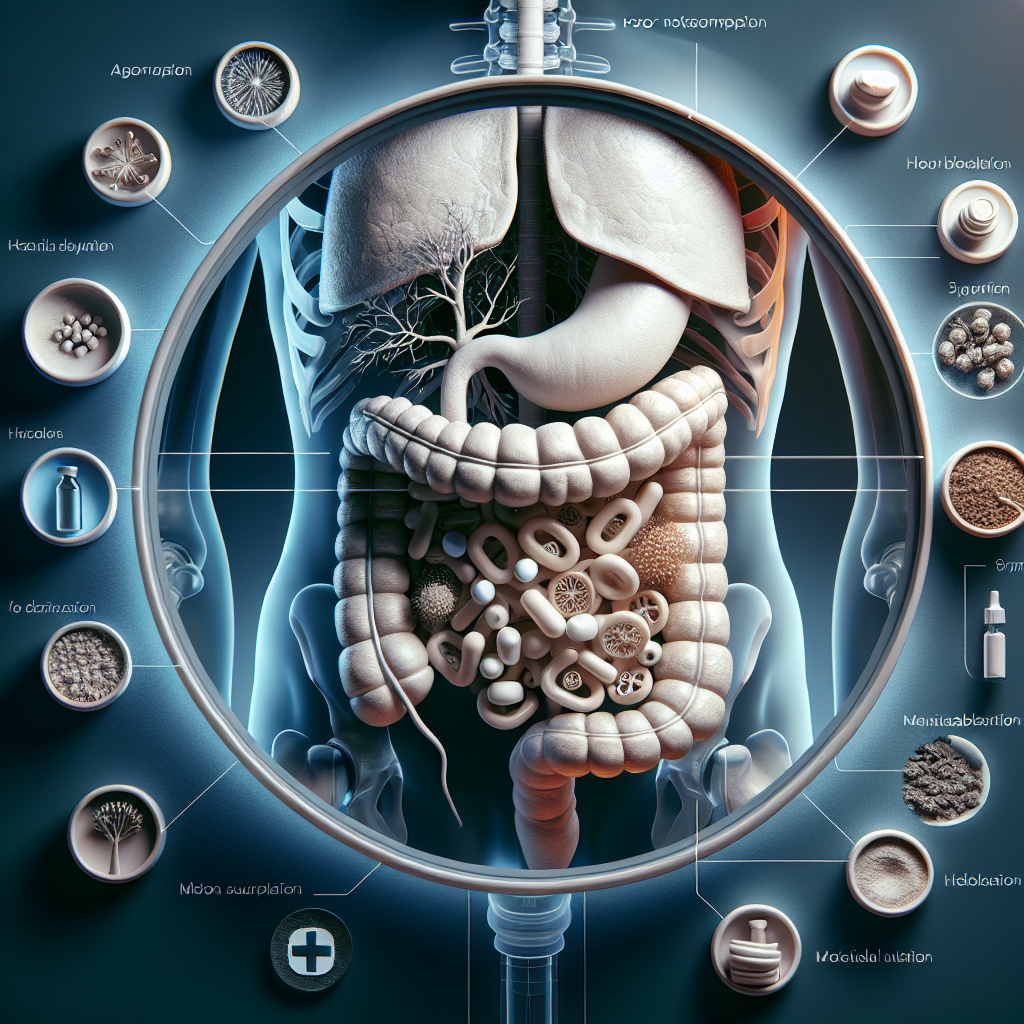
Symptoms caused by poor absorption rarely look like a digestion problem
Many people assume nutrient shortfalls come from a poor diet. In practice, the missing step is often absorption. You can eat protein, minerals, fats, and plant foods consistently and still develop symptoms if food is not being broken down, released from its food matrix, transported across the gut lining, or properly processed after absorption. That is why poor absorption can show up as fatigue, brittle nails, bloating, muscle cramps, brain fog, hair shedding, loose stools, early fullness, and unexplained intolerance to otherwise healthy meals.
The important distinction is this: intake and absorption are not the same biological event. Absorption depends on stomach acid, digestive enzymes, bile flow, intestinal surface area, transit time, microbiome balance, and the integrity of the intestinal lining. When one of those steps underperforms, symptoms can be broad and confusing because the body does not become deficient in one isolated input. It often struggles across several nutrients at once.
The hidden mechanism: food must be dismantled before nutrients can be used
Absorption begins before nutrients ever reach the small intestine. Chewing mechanically disrupts food. Stomach acid helps denature proteins, liberate minerals from food, and activate enzymes. Pancreatic enzymes then break carbohydrates into absorbable sugars, proteins into peptides and amino acids, and fats into smaller units. Bile emulsifies dietary fat so fat-soluble compounds can be packaged into micelles and absorbed through the intestinal lining.
If this digestive sequence is incomplete, symptoms often emerge in patterns:
- Fat malabsorption may contribute to greasy stools, urgency after meals, low tolerance for fatty foods, and poor uptake of fat-soluble nutrients.
- Protein breakdown issues may be associated with bloating after meals, early satiety, and a sense that heavy meals “sit” in the stomach.
- Carbohydrate maldigestion can produce gas, abdominal distension, and fermentation-related discomfort after beans, fruit, dairy, or starches.
- Broad digestive inefficiency may lead to fluctuating energy, weak recovery from exercise, skin changes, and signs that resemble low nutrient status despite a seemingly good diet.
This is one reason symptom interpretation gets tricky. What appears to be “low iron,” “low magnesium,” or “poor diet quality” may start earlier in the chain, at digestive breakdown and intestinal uptake.
Why poor absorption creates symptoms far beyond the gut
The gut is not only a digestive tube. It is a selective barrier, an immune interface, and the gateway for energy production. When absorption is impaired, tissues that turn over quickly or require steady nutrient supply tend to show the first strain. That includes the brain, skin, hair follicles, muscles, and the cells involved in red blood cell production and repair.
For example, inadequate absorption of fats can reduce delivery of essential fatty acids and fat-soluble compounds needed for cell membranes and signaling. Inadequate protein digestion can reduce the amino acid pool required for tissue repair, enzymes, neurotransmitters, and structural proteins. Reduced mineral liberation from food may affect multiple systems at once because minerals compete, interact, and depend on acidity and transport proteins.
As a result, poor absorption may produce symptoms that feel unrelated:
- Persistent fatigue despite eating enough calories
- Brain fog or poor concentration after meals
- Bloating that worsens with high-fiber “healthy” foods
- Hair shedding, weak nails, or dry skin
- Muscle tightness, poor exercise recovery, or cramps
- Loose stools, floating stools, or stool changes after fatty meals
- Feeling nourished on paper but not in daily function
The pattern matters more than one symptom in isolation. When digestive symptoms coexist with signs of low resilience, poor absorption becomes a more plausible root cause.
Common hidden root causes behind absorption problems
1. Low stomach acid or weak gastric phase digestion
Stomach acid helps sterilize incoming food, unfold proteins, and free minerals from the food matrix. If gastric output is inadequate, people may notice fullness, burping, heaviness after protein-rich meals, or a tendency to avoid large meals because digestion feels slow. This does not prove low acid, but it explains why symptoms can begin at the first stage of digestion.
2. Inadequate enzyme activity
Digestive enzymes are specialized tools. Proteases help break down proteins, lipase digests fats, lactase splits lactose, and carbohydrases assist with starches and plant fibers. When enzyme activity is mismatched to the meal, the result can be gas, fermentation, visible food intolerance patterns, and a reduced release of absorbable nutrients from food.
For people who repeatedly feel worse after dense meals, legumes, dairy, or large mixed meals, meal-targeted digestive support may be worth discussing with a clinician. A practical example is a broad-spectrum digestive enzyme formula, which is designed to support breakdown of proteins, fats, carbohydrates, lactose, and certain plant components. That is not a treatment claim, but it reflects the biological logic that poor breakdown can limit downstream absorption.
3. Low bile flow or poor fat handling
Bile is essential for emulsifying fats. Without effective fat dispersion, fat digestion becomes less efficient and absorption of fat-soluble compounds may also suffer. People often notice discomfort after high-fat meals, nausea with rich foods, or stool changes that suggest poor fat handling. These patterns deserve clinical attention, especially if persistent.
4. Gut lining stress and reduced absorptive efficiency
The small intestine has a large absorptive surface. If that surface is irritated, inflamed, or functionally compromised, nutrient uptake may become less efficient. This does not always cause dramatic digestive symptoms. Some people mainly notice food sensitivity, post-meal fatigue, unpredictable bowels, or a gradual decline in tolerance to foods they previously handled well.
5. Microbiome imbalance
Microbes do not absorb nutrients for us in the literal sense of replacing human digestion, but they influence fermentation, barrier function, local immune tone, and the metabolic environment of the gut. When the microbial balance shifts, symptoms like gas, distension, irregular stools, or poor tolerance to prebiotic fibers can increase, indirectly affecting how well meals are processed and tolerated.
In cases where digestive disruption follows antibiotics, travel, prolonged stress, or recurring bloating, some people explore microbiome support. One example is a multi-strain probiotic supplement that provides several bacterial strains commonly used in digestive support contexts. The relevance here is symptom pattern, not a blanket recommendation.
The mistake people make: increasing intake without fixing uptake
A common real-world mistake is responding to symptoms by stacking more supplements on top of impaired digestion. If the core issue is breakdown, bile flow, or gut irritation, simply increasing nutrient exposure may not solve the problem. In some cases it can worsen bloating, nausea, or GI discomfort because the digestive system is now being asked to process more material under the same limitations.
This is especially true when symptoms intensify after very large smoothies, raw vegetables, high-fiber protocols, or multiple supplements taken together. “Healthy” does not automatically mean absorbable. A person with compromised digestive capacity may paradoxically do worse on meals that are theoretically nutrient dense but mechanically and chemically harder to digest.
Practical clues that point toward poor absorption rather than low intake alone
No single sign can diagnose malabsorption, but several clues raise suspicion:
- Symptoms persist despite a nutrient-dense diet
- Meals rich in fat, protein, legumes, or dairy repeatedly trigger discomfort
- Stools change noticeably after certain foods
- Energy drops after meals instead of improving
- Hair, skin, nails, or exercise recovery worsen alongside digestive issues
- You feel better eating smaller, simpler meals than large mixed meals
These patterns are useful because they shift the question from “What am I missing?” to “What am I failing to break down or absorb?”
How to think about next steps without guessing
Start with observation, not self-diagnosis. Track which meals create bloating, fullness, urgency, or fatigue. Look for patterns with fat-heavy meals, high-fiber meals, dairy, legumes, or protein-dense meals. Note whether symptoms are immediate or delayed. This kind of timeline often gives better insight than vague labels like “sensitive stomach.”
From there, basic clinical evaluation may help determine whether the issue is primarily digestive capacity, food intolerance, microbiome disruption, or another gastrointestinal concern. Persistent weight loss, chronic diarrhea, visible stool changes, severe pain, blood in stool, nighttime symptoms, or progressive fatigue deserve professional assessment.
For readers trying to connect symptom patterns with nutrient status, it can also be useful to review whether low vitamin D is part of the picture, because fat absorption issues can complicate uptake of fat-soluble nutrients. HealthPlace’s vitamin D helper can be a simple starting point for organizing that question.
Food-first strategies that may reduce digestive strain
Before adding complexity, reduce the burden on digestion. That may mean eating more slowly, chewing thoroughly, spacing very large meals, and noticing whether cooked foods are tolerated better than raw versions. Some people do better when fats are distributed across meals rather than concentrated in one sitting. Others tolerate simpler meal composition during periods of digestive stress.
Useful practical approaches include:
- Chew more than you think you need to. Mechanical breakdown is the first absorption step.
- Test meal size. Large mixed meals can overwhelm weak digestion.
- Notice food form. Cooked vegetables may be easier to tolerate than raw salads during symptomatic periods.
- Watch fat tolerance. Reactions to rich meals can provide clues about bile or fat digestion.
- Avoid piling on supplements blindly. More input is not always more absorption.
These strategies are not cures. They are ways to reduce noise so the real pattern becomes clearer.
The bigger takeaway
Symptoms caused by poor absorption are often misread because they do not stay confined to the digestive tract. They can look like low energy, poor recovery, skin changes, nutrient insufficiency, or “mystery symptoms” despite a clean diet. The hidden root cause is not always what is missing from the plate. Sometimes it is what never gets properly dismantled, transported, and used.
That is why absorption deserves its own clinical lens. The most useful question is not only whether a meal is healthy, but whether your body can actually process it. When breakdown fails, even good nutrition can underperform.
Image keywords
- digestive enzymes and nutrient absorption pathway illustration
- symptoms of poor absorption infographic with gut and fatigue
- fat malabsorption stool changes and bile mechanism medical diagram
- small intestine villi nutrient uptake close-up clinical illustration
- bloating after healthy meals hidden malabsorption concept image


