

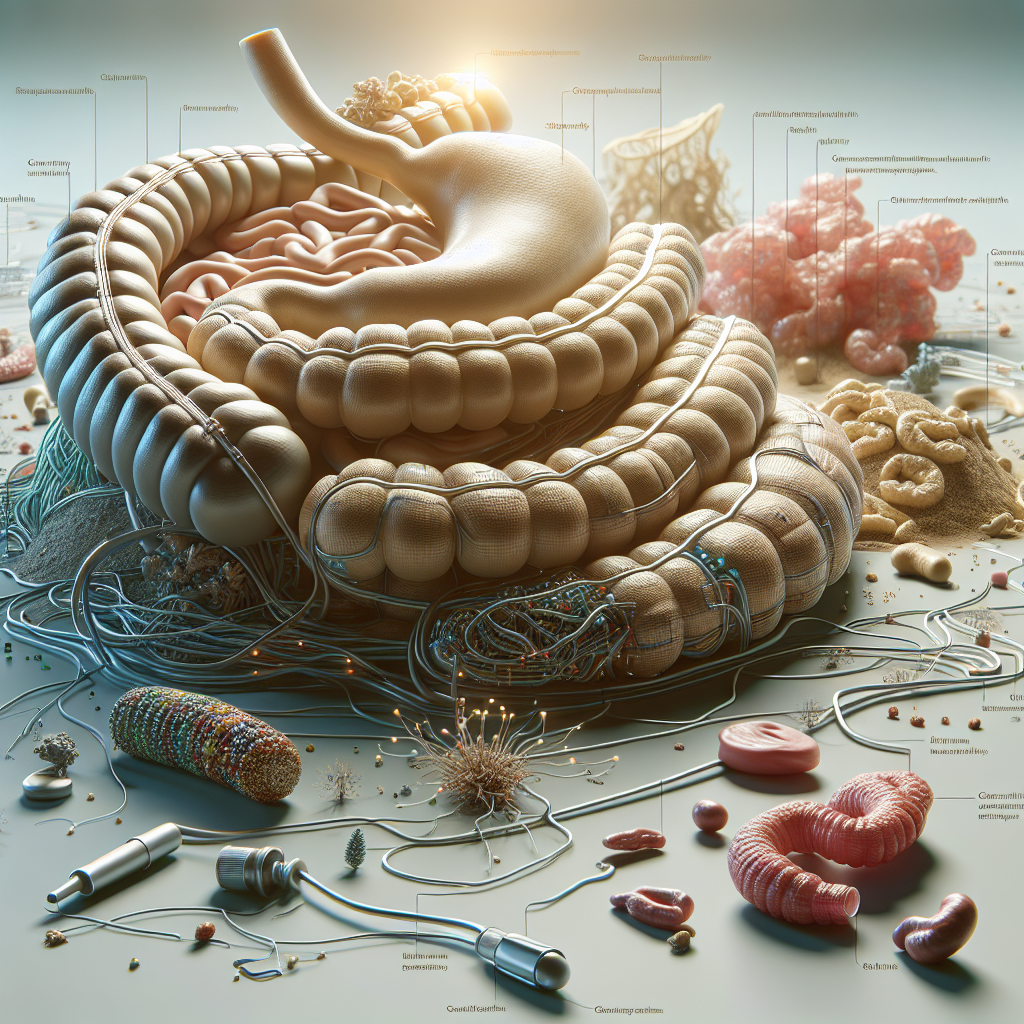
Chronic stress does not stay in the mind—it rewires digestion in real time
When stress becomes persistent, digestion is one of the first body systems to change. That is not incidental. The digestive tract is tightly regulated by the nervous system, stress hormones, immune signaling, and the gut microbiome. In acute danger, the body temporarily diverts resources away from digestion so it can prioritize vigilance, blood flow to muscles, and rapid energy availability. But when that state becomes chronic, the “pause digestion” signal stops being brief and starts becoming a pattern.
This is why people under prolonged stress often notice a very specific cluster of symptoms: reduced appetite or stress eating, reflux, nausea, bloating, abdominal discomfort, constipation, diarrhea, or a frustrating swing between both. The issue is not simply that stress “upsets the stomach.” It changes motility, enzyme output, stomach acid regulation, intestinal permeability, pain sensitivity, and even how the brain interprets signals arriving from the gut.
The mechanism starts with the autonomic nervous system
Digestion works best in a parasympathetic state, often simplified as “rest and digest.” Chronic stress shifts the body toward sympathetic dominance—the physiology of alertness, mobilization, and threat detection. This shift affects the entire gastrointestinal tract from the esophagus to the colon.
Under sympathetic activation, blood flow is redistributed away from the digestive organs. Gastric emptying may slow in some people, which can leave food sitting longer in the stomach and contribute to fullness, nausea, or upper abdominal heaviness. In others, stress increases urgency lower in the intestinal tract, contributing to loose stools or cramping. The exact symptom pattern varies, but the underlying theme is the same: the nervous system is changing digestive rhythm.
The vagus nerve is central here. It is a major communication pathway between the brain and the gut, helping regulate stomach acid, pancreatic enzyme release, gallbladder contraction, motility, and inflammatory tone. Chronic stress can reduce vagal tone, which means digestive coordination becomes less efficient. Food may not be processed as smoothly, bowel function becomes less predictable, and visceral sensitivity often increases.
Cortisol changes more than mood and energy
Stress is also hormonal. Activation of the hypothalamic-pituitary-adrenal axis increases cortisol output. Cortisol is not inherently harmful—it is part of normal adaptation—but persistent elevation can affect digestion in several ways.
First, cortisol influences blood sugar regulation, which can alter appetite and cravings. Some people lose interest in food during stress, while others seek fast-digesting, high-reward foods. Second, cortisol interacts with immune signaling in the gut. Over time, this can shift inflammatory balance and affect how reactive the intestinal lining becomes. Third, cortisol may influence the integrity of the intestinal barrier, sometimes described as gut permeability. When barrier regulation is impaired, the immune system may become more reactive to food components, microbes, and byproducts within the gut lumen.
That does not mean stress directly “causes leaky gut” in a simplistic way. It means chronic stress can be one of several inputs that weaken the resilience of the gut barrier, especially when combined with poor sleep, alcohol excess, ultra-processed diets, certain medications, or prior gastrointestinal vulnerability.
Why stress can cause both constipation and diarrhea
This confuses many people because it seems contradictory. But the digestive tract is not a single on-off system. Different regions respond differently to stress signals.
In the upper GI tract, stress often slows coordinated digestion. That can feel like delayed stomach emptying, nausea, burping, or bloating after meals. In the colon, stress can heighten motor activity and sensitivity, which may trigger urgency or looser stools. In others, chronic stress appears to suppress normal bowel rhythm, contributing to constipation. People with irritable bowel syndrome often notice this most strongly because their gut-brain signaling is already more reactive.
Stress also changes the threshold for discomfort. A normal amount of intestinal gas or stretching may feel much more intense when the nervous system is in a hypervigilant state. So sometimes symptoms worsen not only because digestion changes, but because the brain amplifies incoming gut signals.
Stomach acid, enzymes, and bile may become less coordinated
Digestion is chemical as well as mechanical. To break down food effectively, the stomach, pancreas, liver, and gallbladder must respond in sequence. Chronic stress can disrupt that timing.
Some people experience reduced digestive secretions when eating in a rushed, stressed, distracted state. That may contribute to a sense of heaviness after protein-rich meals, post-meal bloating, or discomfort after higher-fat foods. In practical terms, it is not always about the food itself being “bad.” It may be that the body is under-signaling for efficient digestion when the meal is eaten under tension.
This is one reason people often feel better eating the same meal in a calm setting than they do when multitasking, commuting, or eating between meetings. Context changes physiology.
The microbiome also responds to chronic stress
The gut microbiome is highly sensitive to stress-related changes in motility, immune activity, sleep, food choices, and circadian rhythm. Chronic stress can alter the intestinal environment enough to shift microbial balance. Research suggests stress may reduce microbial diversity in some contexts and favor patterns associated with gastrointestinal discomfort and altered immune signaling.
This matters because gut microbes help produce metabolites that affect the intestinal barrier, motility, inflammation, and even neurotransmitter-related signaling. In other words, stress can disturb the ecosystem that helps regulate digestion, and that disturbed ecosystem can feed back into symptom generation.
The relationship is bidirectional. Stress affects the microbiome, and microbiome changes may shape how stress is perceived and processed.
Why digestion often worsens when sleep is disrupted
Chronic stress and poor sleep usually travel together, and that combination is especially hard on the gut. Sleep disruption alters cortisol rhythm, increases inflammatory signaling, changes appetite regulation, and impairs glucose control. It can also reduce pain tolerance, making digestive symptoms feel more intense the next day.
If someone says their reflux, bloating, or bowel irregularity is worst during high-pressure periods with bad sleep, that pattern is physiologically coherent. Sleep is not a separate issue from digestion—it is one of the main regulators of recovery. For readers trying to understand whether stress load may be contributing to their symptoms, a simple starting point is to assess sleep quality and consistency with this sleep score tool.
The common mistake: trying to fix a nervous-system problem with food rules alone
One of the biggest reasons stress-related digestive issues persist is that people focus only on elimination, restriction, and supplementation while ignoring the state in which they eat. Food quality matters, but nervous-system context matters too.
If meals are eaten quickly, while scrolling, while working, after multiple coffees, or in a chronically anxious state, digestion may remain impaired even with a clean diet. That does not mean symptoms are “all in your head.” It means the digestive system is receiving conflicting instructions: take in food, but stay prepared for threat.
This also helps explain why some people become progressively more food-sensitive during stressful periods. The root issue may be reduced digestive capacity, altered motility, and heightened visceral sensitivity rather than intolerance to an ever-growing list of foods.
Practical ways to reduce the digestive impact of chronic stress
1. Change the state before the meal
The goal is not perfection. It is shifting the body a few degrees toward parasympathetic activity. Even one to three minutes of slower breathing before eating may help. Put the phone away, sit down, and avoid eating while standing, driving, or answering messages. These small changes can improve meal tolerance more than people expect.
2. Reduce meal chaos
Highly irregular eating patterns can amplify stress-related digestive symptoms. Skipping meals all day and then eating a very large dinner often increases bloating, reflux, and bowel irregularity. More consistent meal timing can support motility and reduce nervous-system unpredictability.
3. Watch the stress-symptom pattern, not just the food
Keep brief notes on symptoms, but include context: sleep, workload, pace of eating, caffeine, alcohol, and emotional stress. Many people discover that the “trigger food” is not always the real trigger. It may be the condition under which the food was eaten.
4. Be selective with support products
Some readers exploring stress support prefer a targeted formula rather than using multiple products at once. If that approach fits your routine, a cortisol-support botanical formula may be worth discussing with a qualified clinician, especially if symptoms cluster around high stress load. Others may prefer broader adaptogenic support, such as an adaptogenic stress resilience complex. Supplements are not a substitute for evaluation or treatment, but they are often considered as part of a broader stress-management plan.
5. Protect sleep as a digestive intervention
For many adults, improving digestion starts with improving sleep regularity, evening light exposure, alcohol timing, and mental decompression before bed. This is especially relevant if symptoms flare after nights of short or fragmented sleep.
When symptoms deserve medical evaluation
Stress can strongly influence digestion, but it should not be used to dismiss persistent or significant symptoms. Medical review is important for new or worsening reflux, ongoing abdominal pain, unintentional weight loss, vomiting, blood in the stool, black stools, difficulty swallowing, anemia, fever, or marked changes in bowel habits. Stress may coexist with a gastrointestinal condition rather than fully explain it.
It is also worth evaluating medication effects, infections, gallbladder issues, celiac disease, inflammatory bowel disease, peptic disorders, and other causes when symptoms are persistent.
The bigger picture: chronic stress changes how the gut functions, not just how it feels
The most useful way to understand stress-related digestive symptoms is to stop thinking of them as separate problems. Chronic stress changes nervous-system tone, cortisol signaling, blood flow, secretion, motility, microbiome balance, barrier regulation, and pain perception. That is why the symptom picture can be broad and why standard “healthy eating” advice sometimes falls short.
When digestion improves after stress reduction, better sleep, calmer meals, and more stable daily rhythm, that is not placebo or coincidence. It reflects a real shift in gut-brain physiology. The digestive tract is listening to the nervous system all day long. Chronic stress changes the message it receives.
Image prompts
- Medical illustration of the gut-brain axis showing vagus nerve signaling, cortisol release, and intestinal motility changes under chronic stress
- Close-up concept image of a person eating quickly at a work desk with overlay graphics showing sympathetic nervous system activation and impaired digestion
- Clinical-style infographic comparing parasympathetic rest-and-digest state versus chronic stress state with effects on stomach acid, enzymes, and bowel habits
- Detailed anatomical visualization of the digestive tract with highlighted stomach, intestines, adrenal glands, and brain communication pathways
- Wellness editorial image of calm mindful eating versus rushed stressed eating to illustrate how meal context changes digestive physiology


