

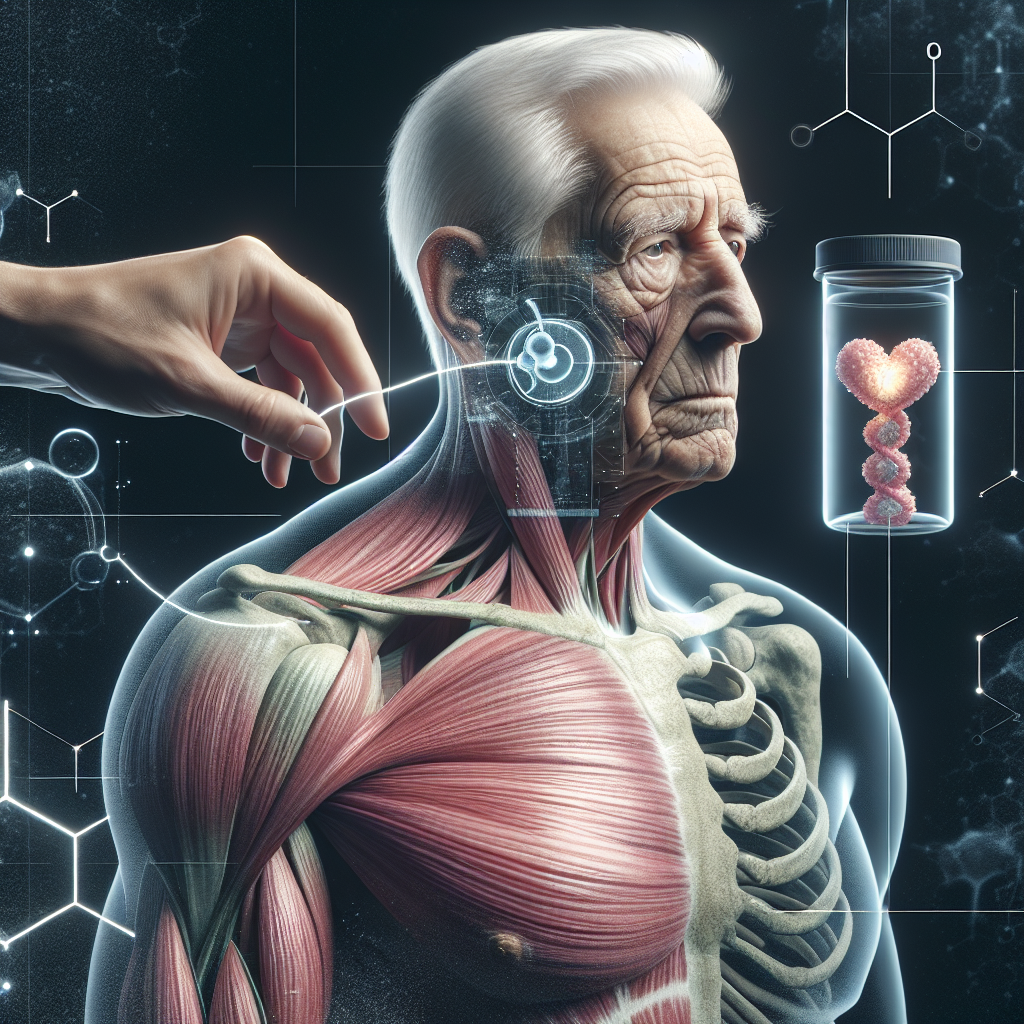
Muscle loss is often treated like a late-life problem, but the biology starts changing much earlier
One of the biggest blind spots in longevity is not dramatic weight gain, visible weakness, or a sudden decline in mobility. It is the slow, often unnoticed loss of lean muscle tissue that can begin in midlife and accelerate with age. Many adults assume they are “doing fine” because their body weight is stable. But body weight can stay the same while muscle gradually declines and is replaced by fat or connective tissue. This matters because muscle is not just for movement. It is a metabolically active tissue involved in glucose disposal, insulin sensitivity, balance, recovery, and healthy aging.
The problem is not always low food intake overall. In many cases, the issue is a specific protein pattern mistake: too little protein total, poorly distributed protein across the day, or meals that never reach the threshold needed to stimulate muscle protein synthesis effectively.
The hidden mechanism: anabolic resistance changes how aging muscle responds to protein
In younger adults, muscle tissue is relatively responsive to dietary amino acids and resistance exercise. After eating enough protein, especially leucine-rich protein, the body increases muscle protein synthesis. With aging, this response becomes less efficient. This phenomenon is often called anabolic resistance.
Anabolic resistance means older muscle may need a stronger stimulus to get the same building signal. That stimulus usually comes from two inputs working together: adequate protein and muscle contraction from resistance activity. If either is too weak, the body may fail to maintain muscle at the same rate it once did.
Mechanistically, essential amino acids, particularly leucine, activate mTOR signaling, a key pathway involved in muscle protein synthesis. But aging muscle tends to respond less robustly to a small protein dose. A breakfast with toast and coffee, or a salad with minimal protein at lunch, may not provide enough amino acids to trigger a meaningful anabolic response. The result is subtle but cumulative: over months and years, muscle breakdown can outpace rebuilding.
Why this becomes a longevity issue, not just a fitness issue
Loss of muscle affects more than strength. Skeletal muscle acts as a major reservoir for glucose disposal after meals. When muscle mass declines, metabolic flexibility often declines with it. That can contribute to poorer blood sugar regulation, reduced exercise tolerance, and a lower margin of resilience during illness, injury, or hospitalization.
Muscle also supports posture, gait speed, reaction time, and joint stability. In longevity research, low muscle mass and poor muscle function are associated with higher risk of disability, loss of independence, and worse recovery after health stressors. This does not mean muscle is the only marker that matters, but it is one of the most overlooked.
Many people monitor body weight, cholesterol, or blood pressure. Far fewer pay attention to whether they are preserving lean mass. Even common screening tools can miss the issue. A normal BMI does not guarantee adequate muscle stores, which is one reason a simple BMI calculator can be useful for broad context but should never be mistaken for a muscle health assessment.
The protein mistake most adults make: eating enough by dinner, but not across the day
A common pattern looks like this: very little protein at breakfast, moderate protein at lunch, then a large protein-heavy dinner. Total daily intake may appear reasonable on paper, but the distribution is poor for stimulating muscle protein synthesis multiple times across the day.
Muscle does not store protein the way the body stores fat or glycogen. It needs repeated amino acid exposure combined with demand signals from movement. If most of the day passes with sub-threshold protein intake, older adults may miss several opportunities to support muscle maintenance.
Research increasingly suggests that for aging adults, spreading protein into distinct meals with enough high-quality protein each time may be more useful than consuming the same amount in one large evening meal. In practical terms, that often means aiming for a meaningful protein intake at breakfast and lunch, not just dinner.
What “enough” often means in real life
Needs vary by age, body size, training status, appetite, and health context, but many experts now think older adults often benefit from more protein than the minimum levels designed mainly to prevent deficiency. For muscle maintenance, a meal containing roughly 25 to 40 grams of high-quality protein may be more effective than a light meal with 8 to 12 grams.
Examples include Greek yogurt with added seeds and whey, eggs plus cottage cheese, fish with lentils, tofu with edamame, or a well-formulated protein shake when appetite is low. The key is not perfection. It is reaching a physiologically meaningful dose often enough to matter.
Why appetite, chewing, convenience, and digestion all become part of the problem
Protein intake often falls with age for reasons that have little to do with motivation. Appetite can decline. Dental issues can make chewing meat difficult. Some adults avoid protein because they feel full quickly. Others rely on convenience foods that are calorie-dense but protein-light. Social factors matter too: living alone, cooking less often, or skipping meals after retirement can all lower protein quality without obvious warning signs.
There is also the digestion factor. While most healthy adults can digest protein effectively, low stomach acid, reduced digestive comfort, or fear of heavy meals may lead some people to under-eat protein-rich foods. This is where soft, easy-to-use options can be practical. If someone struggles to build protein into breakfast or a post-activity snack, a convenient product like a greens-based daily support powder with added protein and micronutrients may fit into a broader nutrition plan, though it should not replace the role of higher-protein whole foods when muscle preservation is the goal.
Muscle loss can be masked by stable weight, abdominal fat, or even “healthy eating” habits
One reason muscle loss is a blind spot is that it rarely announces itself early. A person may maintain the same clothing size or the same number on the scale while losing strength, power, and lean tissue. If activity levels also fall, the decline can blend into what people assume is normal aging.
Another issue is dietary quality confusion. Someone may eat plenty of vegetables, healthy fats, and minimally processed foods and still under-consume protein for their age and activity level. A clean diet is not automatically a muscle-protective diet.
Even plant-forward diets require planning. This is not a criticism of vegetarian or lower-meat eating patterns. It is simply a reminder that total essential amino acid intake, leucine content, and meal composition matter. Combining protein sources strategically and using concentrated options when needed can help close the gap.
Resistance exercise changes the equation
Protein alone is not the whole answer. Muscle is expensive tissue for the body to maintain. If it is not being used, the body has less incentive to preserve it. Resistance training provides the mechanical signal that tells muscle it is needed. Protein then supplies the raw materials for repair and adaptation.
This does not require an extreme gym routine. Progressive resistance can include machines, free weights, resistance bands, body-weight movements, or supervised strength work adapted to age and ability. The principle is consistent: muscles need a challenge to remain metabolically and functionally robust.
The combination of resistance exercise plus adequate protein distribution is especially relevant in aging because it helps counter anabolic resistance more effectively than either strategy alone.
Practical signs the issue may be developing
Muscle loss does not always show up in lab work. It often appears first in function. Clues can include:
- Needing more effort to carry groceries or climb stairs
- Reduced walking speed or confidence on uneven ground
- Less grip strength opening jars or lifting objects
- Feeling “soft” despite stable body weight
- Poor recovery after illness or inactivity
- Skipping protein earlier in the day and relying on one large dinner
These are not diagnostic signs, but they are useful prompts to take muscle health seriously before frailty enters the conversation.
What a better protein strategy looks like
A more effective approach usually includes three parts: adequate total protein, better meal distribution, and regular resistance activity.
1. Build protein into the first meal
Breakfast is often the weakest link. Replacing a low-protein breakfast with one that contains eggs, strained yogurt, cottage cheese, tofu, or a protein-rich smoothie can immediately improve daily distribution.
2. Aim for meaningful protein doses, not trace amounts
A salad with a few nuts is not the same as a meal built around a complete protein source. Each main meal should contain enough protein to plausibly stimulate muscle protein synthesis.
3. Use convenience strategically
For adults with low appetite or limited cooking capacity, convenience matters. Ready-to-mix options, dairy-based snacks, or simple add-ons can reduce friction. If meal quality is inconsistent, a product such as a convenient daily greens formula for active adults may help support overall nutrition, but it should complement rather than replace intentional protein-focused meals.
4. Pair protein with strength signals
Even two to three structured resistance sessions per week can improve how the body uses dietary protein. Brief, consistent strength work tends to be more effective than sporadic intense efforts.
The bigger longevity message
The conversation around aging often focuses on brain health, heart markers, or body weight, while muscle is treated as cosmetic or athletic. That framing misses the point. Muscle is part of the infrastructure of healthy aging. It influences resilience, metabolic health, movement, and independence.
The blind spot is not just low protein. It is underestimating how early the process can begin, how invisible it can be when body weight looks normal, and how often the issue comes down to meal pattern rather than obvious malnutrition.
For many adults, the first meaningful longevity upgrade is not a more exotic supplement stack. It is noticing that muscle maintenance requires a stronger daily signal with age: enough protein, in the right pattern, plus regular resistance work.
That is not anti-aging hype. It is a basic physiological reality that becomes more important, not less, as the decades pass.


