

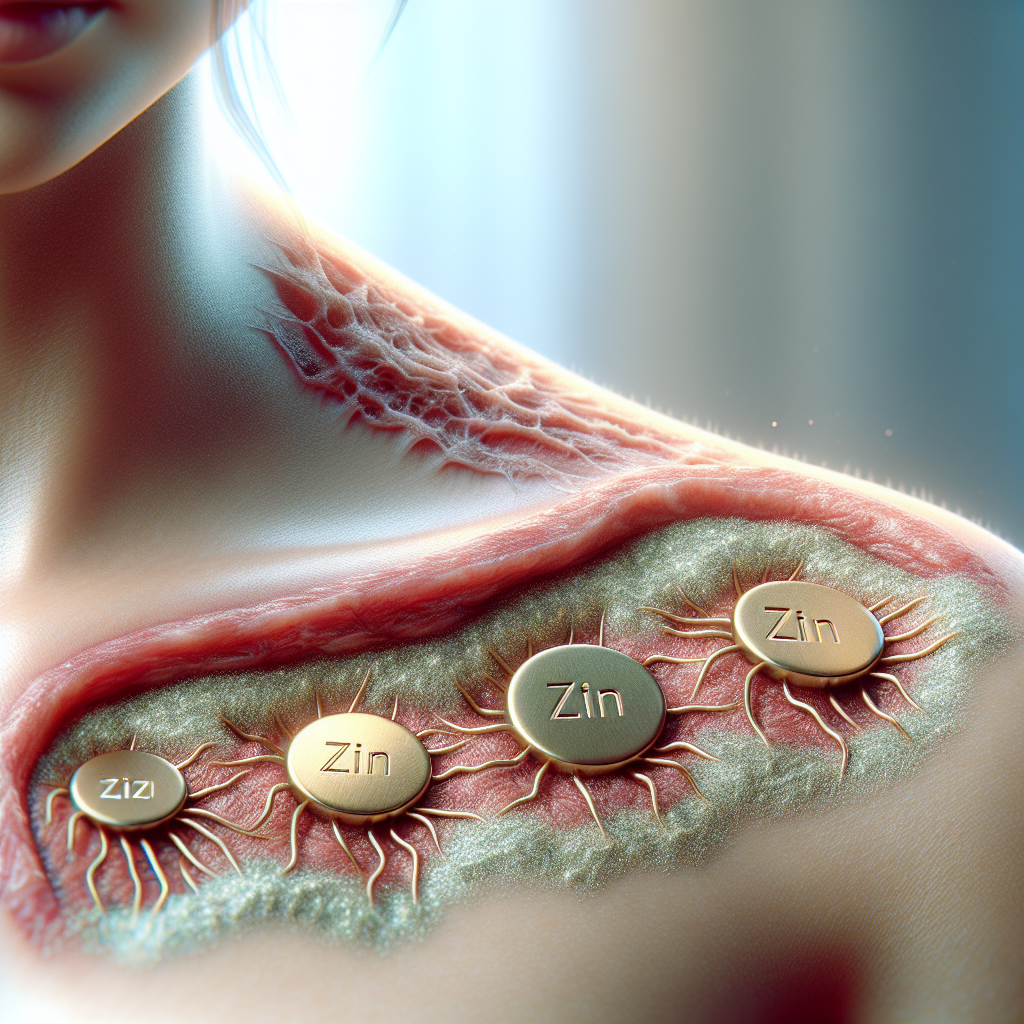
Low zinc is one of the most overlooked reasons a wound stalls
If a cut, scrape, surgical incision, pressure injury, or recurring skin break seems to heal more slowly than expected, zinc status deserves attention. Zinc is not just an “immune mineral.” It is involved in cell division, DNA synthesis, protein production, inflammatory signaling, antioxidant defense, and tissue remodeling. In practical terms, that means zinc helps coordinate nearly every stage of wound repair.
When zinc intake is too low, or when absorption is impaired, the body may still close a wound eventually, but the process can become slower, less organized, and more vulnerable to complications. This is especially relevant in people with restrictive diets, gastrointestinal disorders, chronic illness, older age, or long-term use of medications that affect digestion or mineral balance.
What zinc actually does during wound healing
Wound healing is not a single event. It unfolds in overlapping phases: hemostasis, inflammation, proliferation, and remodeling. Zinc participates in each one.
1. Early immune control and inflammation
Right after tissue injury, the body has to limit bleeding and control microbial risk. Immune cells move into the area, inflammatory mediators rise, and damaged tissue begins to be cleared. Zinc supports normal immune cell function and helps regulate inflammatory signaling. Too little zinc can impair the activity of neutrophils, macrophages, and other cells involved in cleanup and defense.
This matters because wound healing is not simply about “reducing inflammation.” The early inflammatory phase needs to happen in a controlled way. With low zinc, inflammation may become less efficient rather than simply lower, which can leave the wound environment poorly coordinated.
2. Cell growth and re-epithelialization
To rebuild skin, the body has to produce new cells rapidly. Keratinocytes migrate across the wound surface, fibroblasts proliferate, and new tissue forms underneath. Zinc is required for DNA and RNA synthesis, which means it directly supports the replication of cells needed to close the wound.
Without enough zinc, the body has fewer resources for that repair program. One result can be delayed re-epithelialization, where the surface layer takes longer to reform.
3. Collagen formation and tissue strength
Zinc also influences protein synthesis and the activity of enzymes called matrix metalloproteinases, which help remodel extracellular matrix during healing. Collagen production and restructuring are central to whether repaired tissue becomes resilient or fragile. If zinc is inadequate, the architecture of repair may be weaker and slower to mature.
This is one reason a wound may appear to close, yet remain delicate, irritated, or prone to reopening.
4. Oxidative stress control
Injured tissue generates oxidative stress. Some is expected, but excess oxidative damage can disrupt repair. Zinc contributes to antioxidant defenses, including enzymes that help limit free radical damage. Low zinc can therefore increase the stress burden in already vulnerable tissue.
Why zinc deficiency often hides in plain sight
Zinc deficiency is not always dramatic. Mild insufficiency can show up as a pattern rather than a single symptom. Poor wound healing may occur alongside frequent infections, changes in taste or smell, reduced appetite, hair thinning, dermatitis, or brittle nails. In some people, skin issues become the clue long before a deficiency is recognized.
That said, poor wound healing is not specific to zinc. Protein deficiency, vitamin C deficiency, diabetes, poor circulation, infection, smoking, pressure, steroid use, and inflammatory skin disease can all delay healing. The clinical question is not whether zinc explains every slow-healing wound, but whether low zinc is one piece of the larger picture.
Common reasons zinc runs low
Low dietary intake
Zinc is concentrated in foods like oysters, red meat, poultry, shellfish, cheese, and eggs. Plant foods can contain zinc too, but absorption is often lower because phytates in legumes, whole grains, nuts, and seeds can bind minerals in the gut. Someone eating a highly plant-based diet can absolutely meet zinc needs, but it usually requires more planning.
Gut issues and malabsorption
Inflammatory bowel disease, chronic diarrhea, celiac disease, short bowel syndromes, and low stomach acid can reduce zinc absorption or increase losses. This is where the issue becomes more complex: a person may be eating enough zinc on paper while still not absorbing enough physiologically.
Higher losses or higher demand
Burns, major wounds, chronic infections, kidney disease, alcoholism, and prolonged stress states may alter zinc needs or losses. During periods of active tissue repair, demand can rise. Older adults are also at increased risk due to lower intake, reduced appetite, medication burden, and changes in digestion.
Long-term supplement imbalance
One important nuance is mineral competition. Very high zinc intake over time can interfere with copper status, while some intake patterns heavy in iron or calcium at the same moment may reduce zinc absorption. This is one reason random, high-dose supplement stacking is not a good strategy.
The wound-healing mistake people make: focusing only on topical care
Many people treat a slow-healing wound as a skin-surface problem only. They switch dressings, add ointments, or look for a stronger antiseptic. Those steps may be necessary, but they do not correct an internal repair bottleneck.
Wounds heal from the inside out. If the body lacks the building blocks for cell turnover, collagen synthesis, immune coordination, and antioxidant protection, local wound care can help but may not fully solve the delay. Zinc is one of the classic examples of this inside-out problem.
That does not mean everyone with a slow-healing wound should start taking zinc automatically. It means nutrition, absorption, and overall metabolic status should be assessed alongside wound hygiene and pressure management.
How to think about zinc intake in real life
Food-first patterns that support zinc status
For many adults, improving zinc intake starts with regular inclusion of zinc-rich foods. Animal proteins generally provide more bioavailable zinc. For mixed diets, practical options include beef, lamb, dark meat poultry, sardines, shellfish, eggs, and dairy. For plant-forward diets, useful contributors include pumpkin seeds, hemp seeds, lentils, chickpeas, tofu, oats, and cashews, though absorption can be lower.
Preparation matters. Soaking, sprouting, fermenting, and sourdough fermentation can reduce phytate content and improve mineral availability. Combining plant proteins strategically throughout the week can also help.
When supplementation may be considered
If intake is low, demands are increased, or deficiency risk is higher, a clinician may consider a zinc supplement. The goal is not to megadose. The goal is to restore adequacy without creating a secondary mineral imbalance.
In some cases, a balanced formula that includes both zinc and copper may be useful, especially if supplementation is expected to continue beyond a short period. For example, a zinc and copper balance formula may make more sense than zinc alone for people trying to avoid long-term copper depletion.
Where digestive tolerance is a concern, form can matter. Some people do better with chelated or targeted forms, and those with upper GI sensitivity may discuss options such as a zinc carnosine supplement with their healthcare professional, particularly when gut health and nutrient absorption are part of the picture.
Food and supplement timing also matter. Taking zinc with a meal may improve tolerance, but taking it at the exact same time as large doses of iron or calcium may reduce absorption in some people.
Who should look more closely at zinc if wounds are healing poorly?
- Older adults with low appetite or limited protein intake
- People with digestive disorders such as celiac disease, IBD, or chronic diarrhea
- Those eating highly restrictive diets, especially if protein intake is low
- People recovering from surgery or injury with increased tissue-repair demand
- Individuals with recurrent skin breakdown, mouth sores, dermatitis, or frequent infections
- Anyone using multiple supplements without considering mineral interactions
How zinc fits into the bigger wound-healing picture
Zinc is important, but wound healing is multifactorial. Protein intake, vitamin C status, blood sugar regulation, circulation, hydration, sleep, and inflammation all shape recovery. This is why a stalled wound often reflects a system-level issue rather than a single missing nutrient.
If blood sugar is chronically elevated, tissue repair and immune function are often impaired. That is particularly relevant because many people with slow-healing wounds also have undiagnosed insulin resistance or diabetes risk. If that seems relevant, using this insulin resistance calculator can be a helpful starting point for discussing metabolic health with a clinician.
In functional and clinical nutrition, the useful question is not “What supplement heals wounds?” It is “What is preventing normal tissue repair in this person?” Zinc may be a missing piece, but the answer often includes protein sufficiency, glycemic control, micronutrient adequacy, pressure relief, and treatment of underlying infection or vascular problems.
When poor wound healing needs medical evaluation
Educational nutrition strategies are not a substitute for wound assessment. Medical evaluation is important if a wound is deep, increasingly painful, red, warm, draining pus, foul-smelling, associated with fever, or not improving over time. The same applies to foot wounds in people with diabetes, pressure sores, and wounds after surgery.
Testing for zinc status is not always straightforward, because serum zinc can be affected by infection, stress, and inflammation. Still, a clinician may use laboratory context, symptoms, diet history, and medical history together to judge whether deficiency is likely.
The bottom line
Low zinc can slow wound healing because zinc is required for immune coordination, cell proliferation, collagen remodeling, and antioxidant protection. The problem is often missed because poor healing gets treated as a local skin issue when it may reflect a deeper nutritional or absorption bottleneck.
If wounds are healing slowly, it is worth thinking beyond bandages and topical products. Diet quality, digestive function, metabolic health, and mineral balance all matter. Zinc is not the whole story, but it is one of the most biologically plausible and clinically relevant reasons tissue repair does not proceed as it should.


